Both ENDS






On September 20th FMO published its new position statements on human rights, land governance and gender. We appreciate that FMO takes human rights serious and applaud the efforts that have been made to come to an improved position on human rights, land and gender. However, to truly have a positive impact on people and the environment, some important follow up steps are necessary.
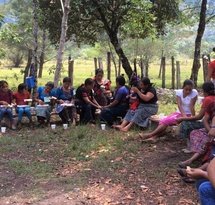
Communities from Northern Guatemala have filed a complaint this week against the Inter-American Development Bank (IDB). They bear the brunt of the construction of two large hydropower dams in the Ixquisis region, that are co-financed by the IDB. This is against the bank's own policies on environment and sustainability, indigenous people, gender, and information disclosure.
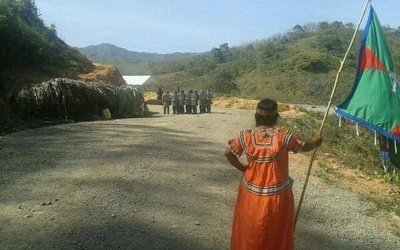
As we celebrate both the 30th anniversary of the UN Declaration on the Right to Development (December 4th) and Human Rights Day (December 10th), Both ENDS joins with communities and civil society groups around the world to call on development finance institutions, governments, and businesses to take 3 steps to stand up for Human Rights in development.
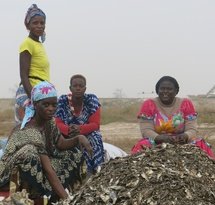
A year ago, the Senegalese NGO Takkom Jerry filed a complaint with the African Development Bank (AfDB) and the Dutch Development Bank FMO, with support from Both ENDS. These banks finance the Sendou coal power station, right next to the fishing village of Bargny. The AfDB has now recognized the complaint. FMO is already processing the complaint and will publish an official response shortly.
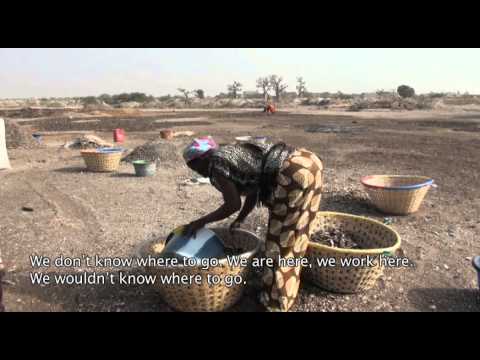
Senegal is one of the countries with the highest amount of effective sunshine on earth. Instead of using the 3000 hours of sunshine a year as a source of energy, 2 new coal fired power plants are now being built with the help of the Dutch development bank FMO, using public money. This video shows the consequences for the local population.
Last weekend there was an article in Dutch newspaper De Volkskrant about the Lake Turkana Wind Power Project in Kenya. I was surprised and angry about how the story was presented. How can people be so blind to the perspectives of others? And how can a progressive paper like De Volkskrant devote so much space to such an unnuanced account? This is exactly why such projects lead to conflicts.
The Mandalika International Street Circuit is a street circuit in the resort of Mandalika in Central Lombok in West Nusa Tenggara Province. The project, mainly intended to attract tourists, is largely financed by the Asian Infrastructure Investment Bank (AIIB).