Both ENDS





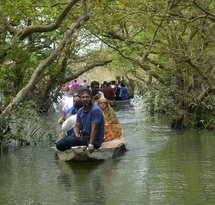
Sharif Jamil is the riverkeeper. In 2009 he started protecting the severely polluted Buriganga River, becoming Bangladesh' first riverkeeper. "We have to make people responsible for their own environment."
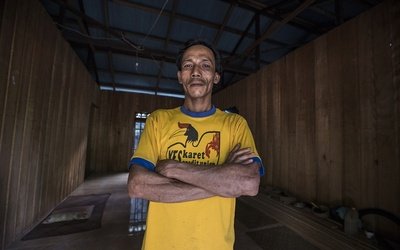
Pak Japin is a quiet, slim, and softly-spoken man from the village of Silat Hulu, West Kalimantan, Indonesia. I met him at a recent documentary screening in Bali on the fringe of the Round Table for Sustainable Palm Oil (RSPO) annual conference, where he spoke about his community's nine year-long conflict with palm oil company Golden Agri Resources Ltd (GAR).
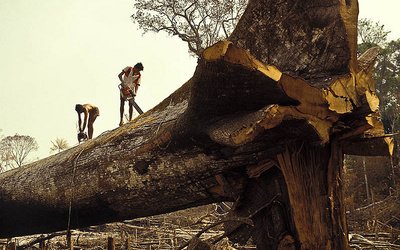
Whenever deforestation is mentioned, most people will automatically think of the Amazon rainforest. In Argentina, however, the disappearance of its forests has also become a pressing problem. In the province of Salta, for example, the deforestation level is the highest. Between 1998 and 2006, the amount of lost hectares of forests has doubled there. The culprit to this problem is the country’s agricultural activities.
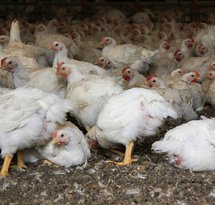
Why is Dutch public money used to sponsor the world’s largest chicken factory farm in Ukraine , when we don’t even accept the production of broiler chicken on our own soil? That was the central parliamentary question raised by the Party for the Animals (Partij voor de Dieren) in August 2012, just after Both ENDS and its Ukrainian partner NECU published the report Dutch money, strange meat. Now, three years later, the factory farms of Myronivsky Hliboproduct(MHP) keep expanding. And the massive slaughtering of more than 300 million chickens a year is still made possible by the Dutch tax payer through multilateral financial institutions and Dutch export credits.