




Award of export support for controversial project in Manilla undermines the Netherlands’ environmental and CSR ambitions
Dutch export credit agency Atradius DSB announced yesterday that it is to provide export credit insurance worth 1,5 billion euros to Dutch dredging company Boskalis for a controversial land reclamation project in the Philippines. According to Dutch and international organisations, including Both ENDS, CARE Netherlands, IUCN NL, Kalikasan PNE and Oceana Philippines, the award of export credit insurance for this project runs contrary to the Netherlands' ambitions in the areas of environment and corporate social responsibility (CSR).
Boskalis is to reclaim more than 2,600 hectares of land in the bay of the Philippine capital Manila for the construction of the New Manila International Airport (NMIA). After obtaining the contract for the megaproject at the end of 2020, the Dutch dredging company applied for state export credit insurance through Atradius DSB. By awarding the insurance, the Dutch state would provide security for any losses incurred by Boskalis in implementing the project.
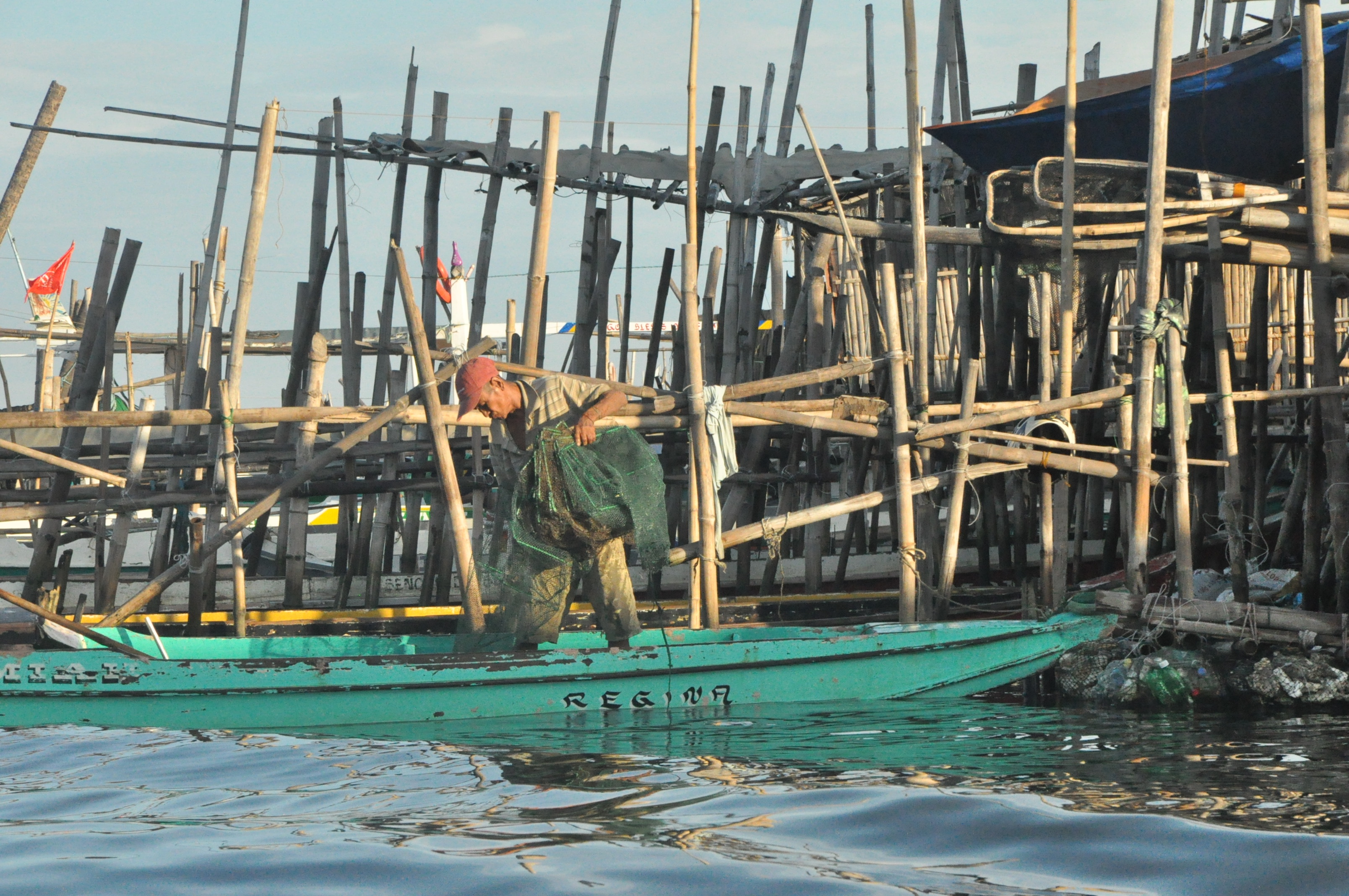
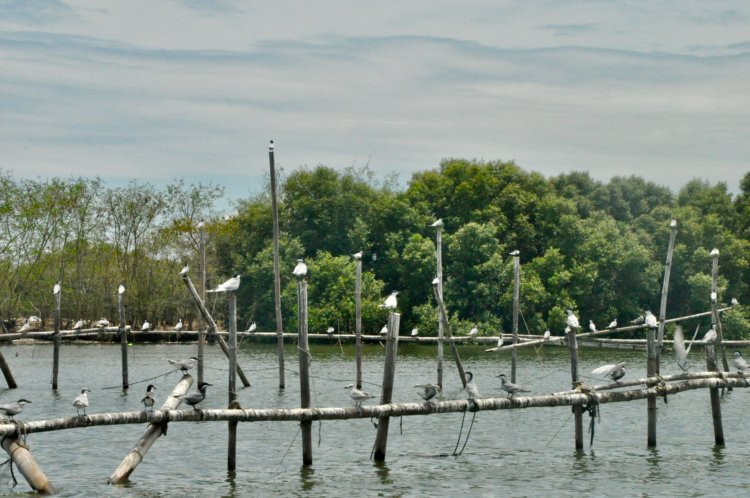
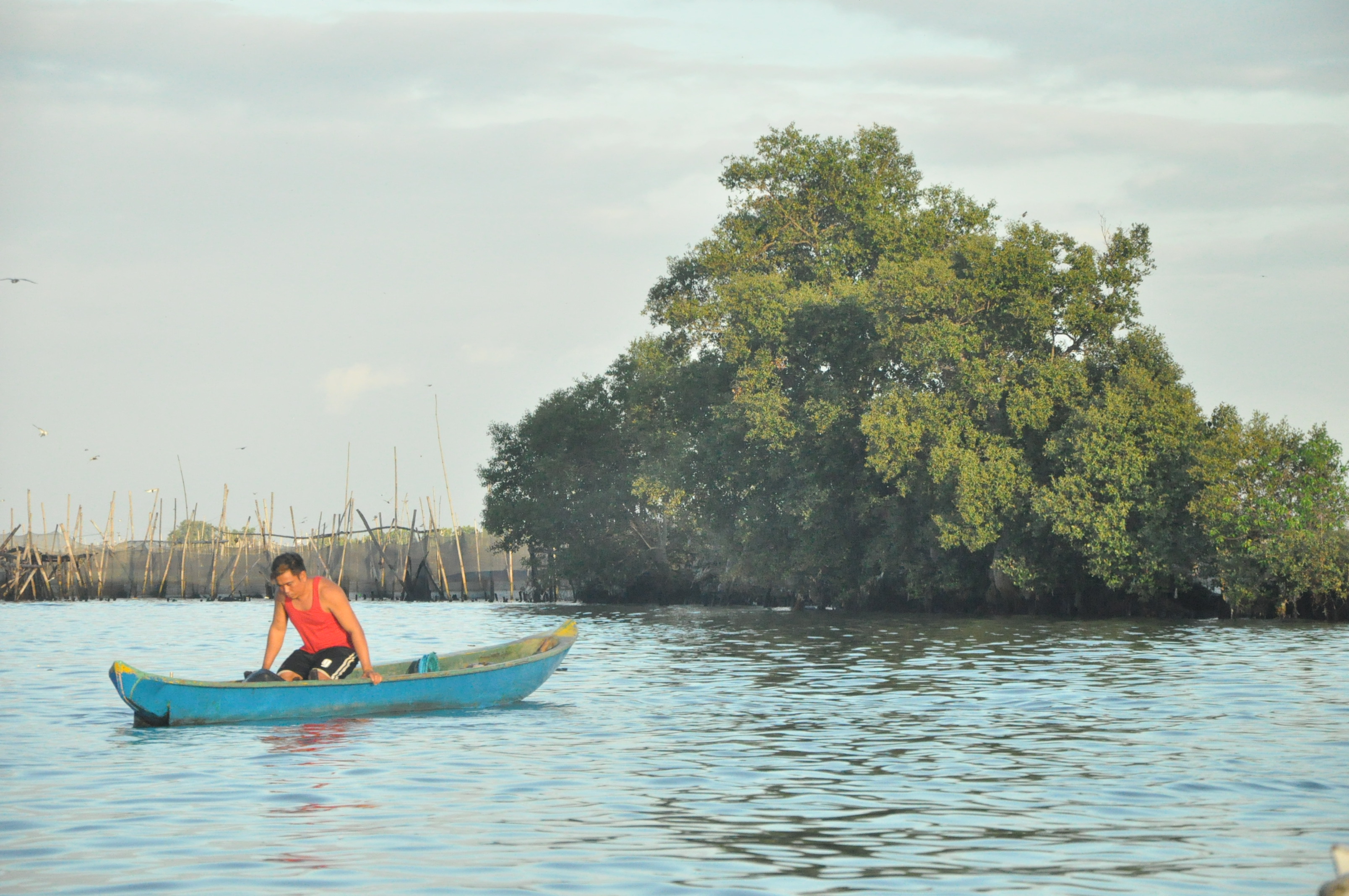
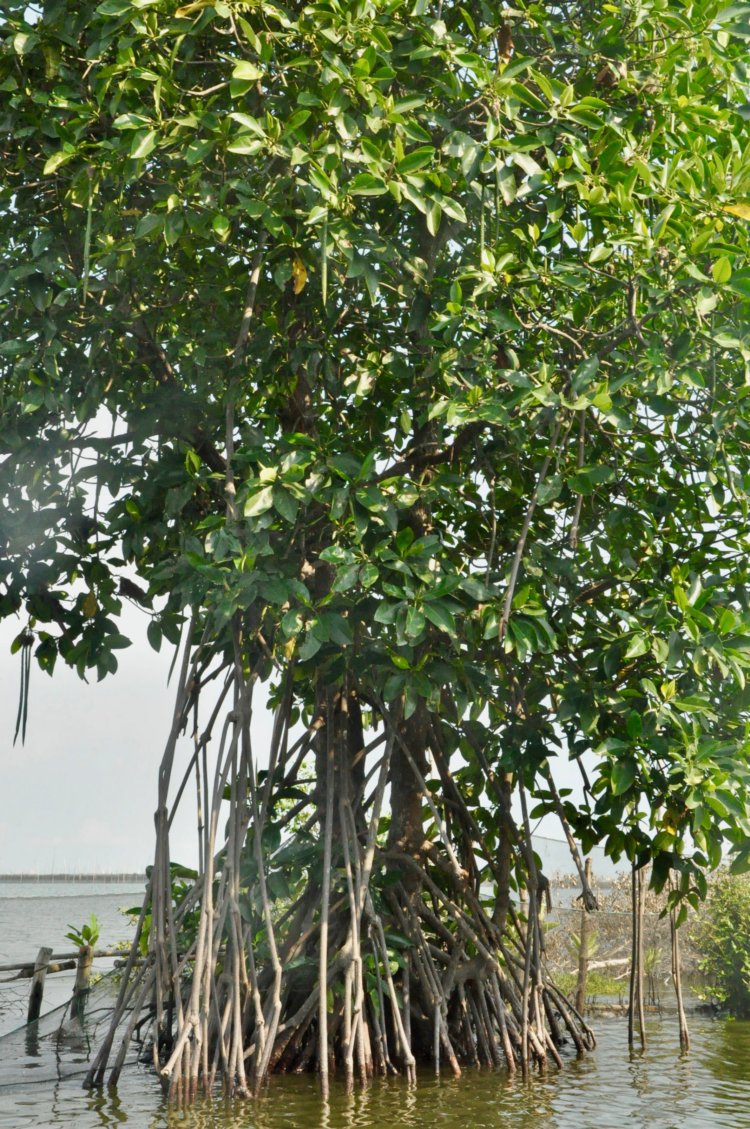
The project is controversial because hundreds of families have been forced to leave their homes and thousands of fishers have been denied access to their fishing grounds. In addition, the project will mean the destruction of crucial wetlands that are home to much wildlife, including internationally endangered migratory birds. Despite the concerns of politicians, local communities and civil society organisations in the Netherlands and the Philippines, the application has been approved by Atradius DSB Dutch state secretary for finance Marnix van Rij.
Master Plan
Recently, with Dutch funding and in cooperation with the Philippine government, Dutch water engineers drew up a Manila Bay Sustainable Development Master Plan (MBSDMP), which makes concrete recommendations for the sustainable development of the bay. The plan proposes that the north of Manila Bay should remain protected against large-scale development, because of the enormous biodiversity and to protect the coast against flooding. "The construction of the airport within the designated protected areas and buffer zones against floods and typhoons runs contrary to the essence of the government's MBSDMP and to existing legislation and policy on environmental protection," says Rose-Liza Eisma-Osorio, legal and policy analyst at Oceana Philippines.
"First the Netherlands finances a master plan to protect Manila, then it provides financial support for a Dutch dredging company to completely undermine the plan's recommendations", says Murtah Shannon of Both ENDS. "This airport will not only have a disastrous impact on the people and the environment in the immediate surroundings but will also serve as a springboard for the further development of infrastructure in the area, which will only increase the danger of floods around Manilla and reduce biodiversity even further."
International standards for corporate social responsibility
Civil society organisations maintain that, in the process of assessing the project and the application for export credit insurance by Atradius DSB, international CSR agreements have been seriously ignored. Atradius DSB refused, for example, to make public its agreements with Boskalis and the client, the San Miguel Corporation (SMC). That makes it impossible for third parties to check the content of and compliance with the agreements. That also applies to compensation for communities affected by the project, which has not yet been provided in line with international CSR standards.
"What used to be a peaceful and abundant life for us has now disappeared due to the construction of the airport", says Shirley Masurca, spokesperson for a local fishers' group. "And because the dredging activities are taking place right in our common fishing grounds, our catch of fish and crabs has declined." While Boskalis has now clearly pledged to create a few hundred hectares of new wetlands to compensate for the destruction of the existing wetlands, ecologists have expressed many reservations about this plan. "You can't simply recreate such complex ecosystems, and the wading birds will be the victims," says Maartje Hilterman of IUCN NL.
Atradius DSB has only made one short visit to the project area. "We were only told of the visit one week in advance, meaning that a number of experts with crucial knowledge of the impact of the project could not make it to attend the talks on time," says Leon Dulce of the Philippine environmental network Kalikasan PNE.
Questions in parliament
Philippine and Dutch environmental and human rights organisations sent letters to Boskalis, Atradius DSB and the Ministries of Finance and Foreign Affairs as early as the summer of 2021 to express their concerns about the Netherlands' part in the project. An urgent letter was also sent to state secretary Van Rij in March 2022. And in August 2021 and March 2022, the PvdD (Party for the Animals) also raised questions in parliament about the Netherlands' involvement in the project.
This press release is endorsed by:
AKAP KA Manilla Bay, AGHAM Advocates of Science and Technology for the People, Both ENDS, CARE Netherlands, Center for Environmental Concerns Philippines, IUCN NL, Kalikasan PNE, Oceana Philippines, People's NICHE, Union of Fisherfolk and Residents of Bulacan.

Read more about this subject
-
 News / 9 December 2019
Fisher folk in Indonesia file a complaint against the Dutch Export Credit Agency Atradius DSB
At the end of November, the organisations WALHI South Sulawesi (part of Friends of the Earth) and Both ENDS filed a formal complaint with the Dutch export credit agency Atradius DSB. Despite the warnings from local communities for the negative consequences of a land reclamation project in the bay of Makassar, Atradius DSB advised the Dutch government to provide dredging company Boskalis with insurance for the execution of the project. The consequences for the fish stock, the beach and the lives of thousands of small-scale fishing communities are severe. Atradius DSB has not sufficiently investigated these harmful consequences beforehand.
-
 News / 6 February 2023
Op-ed: Dutch construction project in the Philippines shows that voluntary corporate social responsibility doesn’t work
This op-ed was published in Dutch newspaper Trouw on the 3rd of February this year
Abuses committed during the construction of an airport in the Philippines show the urgent need for legislation on corporate social responsibility here in the Netherlands, say Murtah Shannon of Both ENDS and Maartje Hilterman of IUCN NL on behalf of a coalition of Dutch and Philippine organisations.
-
 Dossier /
Export Credit Agencies: Who pays the price?
Both ENDS calls on the government only to provide export credit insurance to sustainable projects that cause no social and/or environmental damage in the countries where they take place.
-
 External link / 29 May 2019
Export credit agencies’ role in development finance (Annual Report 2018)
Export credit agencies (ECAs) play a central role within the complicated web of global development finance. In 2018, Both ENDS invested in strengthening cooperation among organisations working on ECAs, building a strategic global collaboration to stop ECAs' support of fossil fuels and improve their environment and human rights record.
-
 News / 21 July 2020
Is the Netherlands insuring a controversial gas extraction project in Mozambique?
At the end of last week, oil and gas company Total announced that, through its export credit insurer Atradius DSB, the Dutch government is participating in a funding package for a controversial gas extraction project in Mozambique. The project, in which various Dutch and foreign companies are involved, is having a deep impact on the local population and the natural environment in the area. Which Dutch companies the government will be insuring is not yet clear.
-
Publication / 17 November 2019
-
Publication / 11 November 2020
-
 News / 4 May 2021
Is the Netherlands’ export credit insurance support for fossil projects legal?
Today, two independent experts brought out a legal opinion on the obligations of countries and their export credit agencies under international law in relation to export support for fossil fuels. According to the report, emissions by fossil fuels and the related infrastructure need to be reduced urgently.
-
Letter / 4 May 2023
Letter from NGOs to Dutch export credit agency: CSR policy must be strengthened
The Dutch government, through its export credit agency Atradius DSB (ADSB), provides export support to companies that undertake activities abroad. The state wants projects it insures to have no negative consequences for people and the environment and therefore sets requirements for corporate social responsibility (CSR). A consultation on CSR policy ran until the end of April, to which a coalition of thirteen social organisations from the Netherlands and abroad, including Both ENDS and Milieudefensie (Friends of the Earth the Netherlands), responded.
-
 Blog / 28 January 2025
Sinking promises in Manila
Yesterday, Global Witness published a new report, "Sunk Costs" - in which I had a modest role to play - that comes up with new facts about the disastrous New Manila International Airport project in the Philippines, for which the Dutch dredging multinational Boskalis received Dutch export credit insurance (ekv) of €1.5 billion.
-
 Press release / 19 May 2021
Despite violence, 900 million euros in Dutch export support to Van Oord in Mozambique
Amsterdam, 19 May 2021 – On 25 March, a day after violent attacks in northern Mozambique, the Dutch state decided to provide dredging company Van Oord with export credit insurance worth 900 million euros for its activities in the country. The company is conducting dredging operations for a highly controversial gas project that, according to Mozambican interest groups, is playing a prominent role in the escalating violence in the region. Civil society organisations Both ENDS, Milieudefensie and Oil Change International and their Mozambican partners are alarmed about the situation and have called the Dutch government and Dutch export credit agency Atradius DSB to account.
-
 News / 18 March 2025
Abuses surrounding TotalEnergies‘ LNG project in Mozambique are piling up; Dutch support irresponsible
On Friday 14 March, the French Public Prosecutor's Office announced that it would launch an official investigation into TotalEnergies’ involvement in involuntary manslaughter during the attacks on Palma, the location of their LNG project. This umpteenth abuse makes it clear that the Netherlands cannot in any way provide public support for this project.
-
Letter / 15 December 2022
No export credit support for Santos FPSO
In October this year, the Dutch government published a policy to implement the COP26 statement in which it promised to stop public finance for fossil fuel projects abroad by the end of 2022 . In spite of this pledge, the Netherlands is considering granting an export credit insurance to a floating production storage and offloading (FPSO) vessel that will be used to produce oil and fossil gas in Brazil for a period of 30 years.
-
 Press release / 3 November 2022
The Netherlands breaks major climate promise to end public financing for international fossil fuel projects
Today, a week before the international climate summit in Egypt, the Dutch Government has broken a major climate promise it made last year to end public financing for international fossil fuel projects. International and Dutch NGOs argue that the new policy published by the Dutch Government on restricting finance for fossil fuels has such significant loopholes, that it essentially means The Netherlands has reneged on its promise.
-
 News / 20 February 2023
Almost 60 organisations send a letter about fossil export support to Dutch Parliament
Today, a letter, undersigned by almost 60 organisations from countries that face the consequences of fossil fuel projects or stand in solidarity, has been sent to the Dutch Members of Parliament. This Thursday, a debate about the export credit facility and the policies around it, will take place in the Dutch Parliament. The coalition calls upon Dutch politicians and policy makers to stand up against any form of export support for fossil fuel projects that are to be executed by Dutch companies abroad, expecially in the global South.
-
 Press release / 19 May 2022
122 CSOs warn signatory countries they have only six months left to meet COP26 commitment to end international public finance for all fossil fuels
Today, 122 civil society groups are releasing letters to eleven government signatories to the Glasgow Statement on International Public Support for the Clean Energy Transition, laying out the actions they must take as soon as possible to meet their commitment. In this joint statement at COP26, 35 countries and 5 public finance institutions committed to end their international public finance for 'unabated' fossil fuels by the end of 2022, and instead prioritise their "support fully towards the clean energy transition."
-
Publication / 13 November 2023
-
 News / 22 November 2016
Is coastal defense project in Jakarta promoting Dutch business interests or protecting the city?
A Dutch economic trade mission is visiting Indonesia from the 21st to the 24th of November. Prime Minister Mark Rutte, who heads the mission, is accompanied by Minister Ploumen (Foreign Trade and Development), Minister Schultz van Haegen and State Secretary Dijksma (Infrastructure and Environment).
-
 News / 6 April 2011
European Parliament demands export credit agencies (ECAs) to open up
The European Parliament in its plenary session on the 5th of April, adopted a proposal to regulate Export Credit Agencies (ECAs) that will force them to become more transparent on where their funds come from, and go to, as well as how they count social and environmental risks. Furthermore, the Parliament requires ECAs to comply with EU human rights objectives in their activities, and to phase out the subsidising of fossil fuel projects in line with commitments adopted by the G20 in 2009.
-
 News / 20 October 2011
50 years of OECD. Export credit agencies: Any role left?
This year, the Organisation for Economic Cooperation and Development (OECD) is celebrating its 50th anniversary. On this occasion it published a book focusing on 50 years of export credits. Wiert Wiertsema (Both ENDS) writing on behalf of ECA Watch, however, thinks that this is a momentum that asks for reforms, rather than hurrays.



