




Towards a socially and environmentally just energy transition
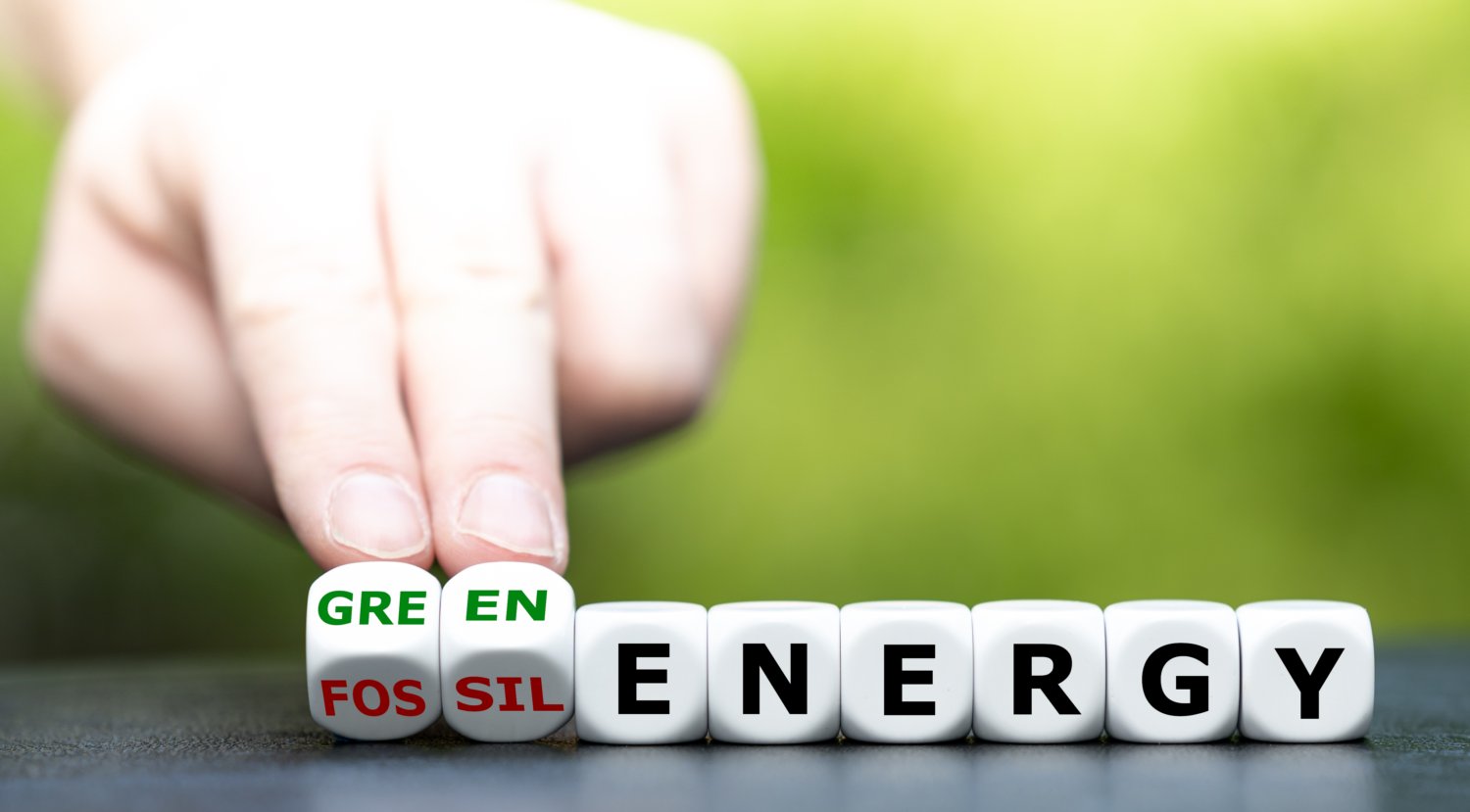
To address the climate crisis we need to urgently transition away from fossil fuels towards clean, renewable energy. However, this transition is not only about changing energy sources. It requires an inclusive and fair process that tackles systemic inequalities and demanding consumption patterns, prioritizes environmental and social justice, and which does not repeat mistakes from the past.
Both ENDS works to place the interests of communities at the heart of a just energy transition. Together with our partners – around 500 NGOs and CSOs around the world - we strive to prevent the burden of the energy transition from falling once again on communities in Asia, Africa and Latin America. Instead we make sure that they, too, can enjoy the advantages of clean, affordable energy solutions.
Moving away from fossil fuels
First of all, the energy transition requires a continued urgent shift from fossil fuels, notably by those countries and actors who contributed most to climate change, towards renewable energy sources. Not only by consumers, but first and foremost by governments and the financial sector, who should phase out their support for the fossil fuel sector as soon as possible.
Important steps have been made, such as the Glasgow Declaration where many countries promised to no longer support the fossil fuel sector with public finance. Both ENDS and partners played a key role in stopping Dutch export credit support for fossil fuels. We have also achieved meaningful successes in convincing other investors, like pension funds, to divest from fossil fuels. Yet, more is needed.
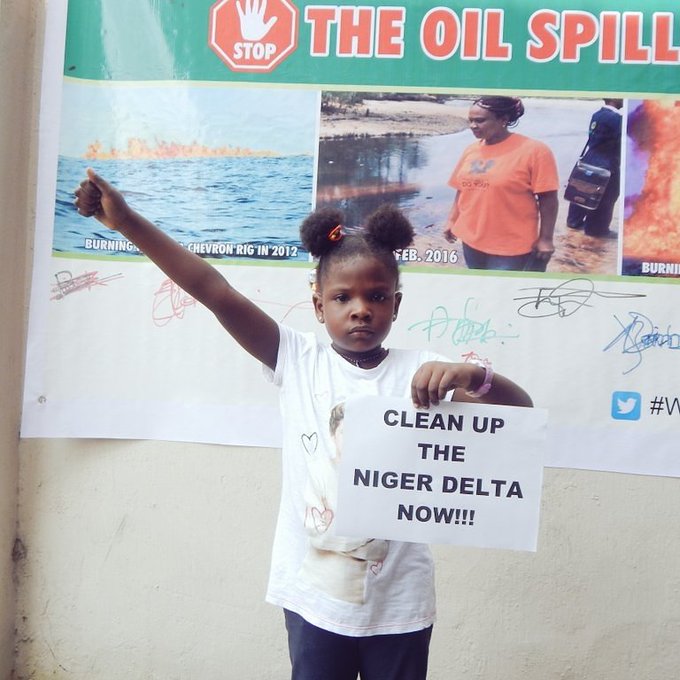
It is also important to divest responsibly, for example by ensuring the restoration of polluted ecosystems and meaningful and fair compensation of impacted communities. For example, in Nigeria Both ENDS and partners advocate for a responsible exit of Shell from the Niger Delta, which is at severe risk of being left polluted and its communities without proper compensation.
Resources for a just energy transition: the dangers of extractivist economies
The demand for minerals and metals needed for low-carbon technologies like solar panels, wind turbines, and electric vehicle batteries is increasing rapidly. There is a grave risk that this will replicate past ecological injustices. Instead of radically reducing material and energy consumption, a new era of extractivism – of minerals like lithium, cobalt and copper – is already having severe impacts on ecosystems, water resources, biodiversity, and the rights of Indigenous Peoples, local communities and workers. It is mainly countries in the Global South that supply these minerals, while countries in the Global North add value and consume the end product.
Both ENDS collaborates with Global South partners to expose these risks and advocate for policies that protect communities’ interests. We closely follow policy development in the Netherlands, at EU level and internationally and advocate for structural improvement. In cases harm has been done, we collaborate with grassroots groups and communities to seek justice. We work towards restoring the damage done, significant compensation and stimulate healing processes. For example, in Brazil we work with the communities affected by the mining tragedies in Mariana and Brumadinho to hold the mining companies accountable whilst at the same time raising awareness among investors about the risks for human rights and the environment of these companies.
Addressing underlying trade and investments systems that hinder a just energy transition
A just energy transition cannot be achieved without transforming the global trade and investment systems that shape the pace of this transition and determine its beneficiaries. Today, these systems continue to prioritise corporate profits over people and the planet, reinforcing inequalities and obstructing climate action. One major victory in challenging these structures was the withdrawal of many countries from the Energy Charter Treaty, a treaty that allowed fossil fuel corporations to sue governments for taking climate action. Both ENDS and our partners played a key role in this achievement, demonstrating the power of collective advocacy.
To advance a trade and investment framework that supports, rather than hinders, climate justice, we organised the Civil Society Forum on Investment Policies, Climate, and Sustainable Development Goals in Entebbe, Uganda, in 2024. Together with 40+ partners, we explored pathways towards investment policies that prioritise human rights, environmental sustainability, and economic justice. The forum culminated in the Entebbe Declaration, which affirms that “trade and investment agreements must advance human rights, gender, climate and environmental justice, and sustainable economic and industrial development, instead of hindering a just transition and perpetuating systems of exploitation and inequality rooted in unbalanced economic models and profit maximisation.”
At Both ENDS, we remain committed to dismantling unjust trade and investment structures and advocating for policies that genuinely serve communities at the forefront of the energy transition.
Local communities should lead the just energy transition
Local communities, Indigenous Peoples, women, and youth must be at the centre of a just energy transition. As those most affected by the climate crisis, they develop locally driven solutions and ensure new energy projects do not replicate past injustices.
Both ENDS supports these groups in securing political and financial backing for community-led renewable energy initiatives. We advocate for greater access for these groups to funding sources like the Green Climate Fund or bilateral donors to scale up gender-just climate solutions.
A great example comes from Uganda, where - together with our local partners - we are striving towards a sustainable energy strategy for the country that starts from the needs and wishes of local communities. Huge investments in hydropower there have shown that this is a false solution of which the population does not profit at all. And whilst Uganda is now seeking to monetize it’s oil reserves, again local communities are left behind. So instead of fossil and hydropower energy, Uganda needs an energy strategy that respects people and planet and it needs international investors such as development banks, pension funds and energy companies to invest in sustainable energy projects that start with the needs of local communities, like off-grid solar energy.
For more information


Read more about this subject
-
 Blog / 12 August 2025
Nickel mining for the energy transition: who is accountable for the damage?
Photo blog - In June, I travelled to Indonesia with our partner organization Puanifesto to research the impacts of nickel mining in East Sulawesi. On July 13th, the news broke that the European Union and Indonesia have reached a political agreement on a free trade agreement that was years in the making, called the Comprehensive Economic Partnership Agreement (CEPA). Nickel from Sulawesi is already being used in European cars. This makes it all the more important that we ensure that human and environmental rights are secured in mining and refining operations in Indonesia, before the road is opened to more extraction and exploitation for the European market. The conversations we have had with communities and workers on East Sulawesi show that more binding regulations are necessary to make this happen and ensure an energy transition that is socially and environmentally just.
-
 News / 10 July 2025
Shell's Silent Exit: Evading Accountability in the Niger Delta
Following Both ENDS & Kebekatche Women Development & Research Centre participation in Shell’s Annual General Meeting (AGM) and a formal follow-up in writing, the response received from Shell plc raises more questions than it answers.
-
Publication / 1 July 2025
-
 News / 4 June 2025
Demanding Shell’s Accountability for decades of pollution in Niger Delta
Both ENDS and our Nigerian partner Kebetkache Women Development & Research Centre attended Shell’s Annual General Meeting (AGM), on May 20th, in London, to demand transparency and accountability for Shell Plc’s opaque divesment in the Niger Delta.
-
 News / 20 May 2025
Both ENDS and partners demand Shell to clean up the Niger Delta before divesting
At the Annual General Meeting (AGM) of Shell in London, community leaders from the Niger Delta and international allies, including Both ENDS, are confronting Shell with a clear demand: Shell must take full responsibility for decades of pollution and human suffering in Nigeria’s Niger Delta before divesting from its on-shore oil operations.
-
 News / 25 March 2025
Urgent call to Shell: Don’t leave the Niger Delta without cleaning up decades of pollution
Last week, Shell reported that it officially completed the sale of its on-shore oil assets in the Niger Delta, leaving behind a vast oil pollution caused by 70 years of oil extraction in the region.
-
 Blog / 30 January 2025
Brumadinho’s painful “seas of mud”
By Carolina de Moura
Six years ago, Brumadinho tailings dam I, from the Paraopeba Complex, owned by mining company Vale, collapsed. January 25th, 2019, forever changed the lives of thousands. The scars remain open, and the quest for justice, remembrance, and prevention of future mining crimes endures despite all adversities. This was manslaughter coupled with socio-environmental devastation of proportions difficult to measure. These are irreparable losses and damages that could have been avoided if it wasn’t for the greed, negligence, and irresponsibility of decision-makers at Vale, the German certification firm Tüv Süd, and the state of Minas Gerais.
-
Letter / 16 December 2024
Urgent call to halt all divestments in the Niger Delta, including Shell's refused sale of SPDC shares
The proposed sale of Shell’s shares in the Shell Petroleum Development Company (SPDC) to the Renaissance consortium, alongside similar divestments by TotalEnergies and other oil companies, threatens the Niger Delta and its people environmental and social well-being for generations to come.
-
Letter / 9 December 2024
People and the Planet Entebbe Declaration: Reclaiming investment frameworks for people and the planet
The time for change is now. Civil society demands international investment
frameworks that are aligned with economic justice, social and environmental
sustainability, and the needs of communities worldwide. -
 News / 26 November 2024
The Time to Rethink Investment Rules: Amplifying Civil Society Voices
At the core of the Fair, Green, and Global (FGG) Alliance’s mission is the commitment to building a just and sustainable world. As members of this alliance, Both ENDS, SOMO, and the Transnational Institute (TNI) recognise the urgent need to reimagine global investment frameworks. These frameworks, entrenched in outdated treaties such as Bilateral Investment Treaties (BITs) and the Energy Charter Treaty (ECT), often prioritise corporate profits over human rights, environmental sustainability, and social justice.
-
 News / 25 November 2024
Empowering Civil Society: Shaping investment policies for climate and sustainable development in Africa
From 26-29 November 2024, Both ENDS and its partners will host the Civil Society Forum on Investment Policies, Climate and Sustainable Development Goals in Entebbe, Uganda. Our colleagues Iván and Fernando explain the importance of this event: “Through this event, we aim to provide an in-depth perspective on the impact of current investment policies on climate and environmental issues, with a strong focus on the African continent.”
-
 News / 3 October 2024
CVM trial of Vale Executives over Brumadinho Dam Collapse brings new momentum
Fabio Schvartsman and Gerd Peter Poppinga attended a Securities and Exchange Commission (CVM) trial session, last Tuesday, October 1st. Poppinga was convicted by one of the CMV directors, but the second CMV director requested more time to review the case files, postponing the judgment by 60 days. Victims’ families and supporters will have to keep waiting for justice regarding one of Brazil’s worst human and environmental disasters.
-
 Blog / 30 September 2024
Of EACOP and tales of a defender in development
The Joke Waller-Hunter (JWH) Initiative creates opportunities for young people in the environmental sector in developing countries to unfold their full potential. By providing small grants to individuals to expand their knowledge, experience and training, the Initiative aims to strengthen environmental Civil Society Organisations capacity and efficiency. Grantee Brighton Aryampa wrote a column for Monitor about his journey to becoming a Human Rights Defender, and his work battling the EACOP.
-
 News / 17 July 2024
EU Exits Energy Charter Treaty (ECT): A Milestone for Climate Action
The European Union's decision to exit the Energy Charter Treaty (ECT) is a landmark victory for climate action. For years, the ECT's Investor-State Dispute Settlement (ISDS) mechanism has enabled fossil fuel companies to challenge climate policies, hindering progress towards sustainability.
-
 News / 9 July 2024
Help the fight for a world without fossil fuels: sign this initiative
The climate crisis can no longer be ignored. With record temperatures and unprecedented extreme weather conditions, we see the devastating effects of climate change all around the world. The Netherlands has recently faced both unprecedented heatwaves and prolonged rainfall that have severely impacted our agricultural sector. These events painfully highlight: we must act now.
-
 External link / 2 July 2024
 -
 News / 18 June 2024
Impact of oil extraction on women's health in Bayelsa
In the context of Shell's imminent divestment from onshore oil industry in the Niger Delta, Both ENDS partner Kebetkache publishes a new report showing severe health and environmental challenges faced by the women of Otuabagi in the Niger Delta due to Shell's crude oil exploration. -
 News / 26 April 2024
Communities Urgent Warning Ahead of Vale S.A.’s Annual Meeting: Stop Ongoing Abuses of People and Environment
As shareholders in Brazilian mining giant Vale S.A prepare to gather online for the company’s Annual General Meeting (AGM), communities from Brazil to Indonesia criticize the company’s track record on human rights and environmental stewardship. They also point to the almost $50 billion in mounting lawsuits against the company as a risk factor that should serve as a warning sign to investors.
-
 News / 4 April 2024
EU ECA fossil fuel phase-out tracker reveals EU Member States’ lagging commitment to Paris Agreement goals in export credit policies
Our new report titled EU ECA fossil fuel phase-out tracker by Both ENDS, Counter Balance and Oil Change International sheds light on the concerning lack of harmony between EU Member States' export credit climate policies.
The report was updated on April 17th, following new responses by Member States on their respective policies.
-
 Blog / 27 February 2024
Partners fighting for rights within natural resource exploration in Uganda
A recent visit to Uganda highlighted the country as the latest example of ethical, environmental and human rights dilemmas brought forth by natural resource exploration.
Under the guise of economic prosperity and energy security, the future of Uganda’s forests, lakes, national parks, and by extension that of the people that depend on these resources, is increasingly endangered. Both ENDS partners in Uganda work with local communities to preserve these natural environments and the livelihoods that come from it.

