Both ENDS




In 2005, a palm oil company approached the villagers of Kiungkang in West-Kalimantan, Indonesia, with offers to convert their farms to oil palm smallholdings. Many farmers agreed to the proposal because of the high monthly incomes promised by the company that they could earn from the oil palms. Unfortunately, the palm oil dream turned out to be an illusion.
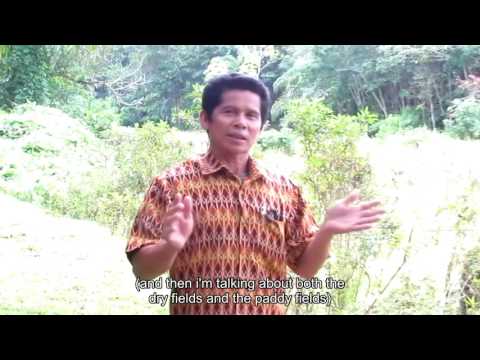
Farmer in Kiungkang, West-Kalimantan, talks about the effects of the palm oil plantation around his village on food production and the health of the population.

Many of our food products contain palm oil and soy in one form or another. To meet the growing demand, they are being cultivated on an increasingly large scale. This has unfortunately been the cause of many problems. Deforestation, environmental pollution and ‘land-grabbing’ are rampant in South-East Asia and South America. Of course, these paractices should stop. But what are the most sustainable, ethical, and – above all – feasible ways to achieve this? And how do you get all parties to cooperate? To explore the answers to these questions, the Ecosystem Alliance (Both ENDS, IUCN NL and Wetlands International) is organising a conference on October 30.

On Wednesday November 5th, Dutch State Secretary for Infrastructure and Environment, Mansveld, and Minister for Agriculture, Dijksma, issued a letter to the Dutch House of Representatives. This letter was their reaction to the ‘Advice Sustainability Food Sector’, which was drafted at the request of the Cabinet by the Commission Sustainability Issues Biomass – or Commission Corbey in short. Paul Wolvekamp of Both ENDS is member of this commission and gave his opinion on the letter.

Both ENDS has, as a member of the RSPO, participated in a dialogue with the Ministry of Foreign Affairs. The Netherlands is the largest importer of palm oil in Europe and wants to promote sustainable trade and production chains.

Photo Blog - Like many communities in Indonesia, life in Semanga Village, West Kalimantan, revolves around a river. The 90 or so houses follow the curving bank of the Sambas River, each with a path down to a small pontoon where fishing traps and baskets are stacked and boats are tied.

Over the past 15 years the production of palm oil has increased enormously, and not without reason: palm oil, pressed from the fruit of the oil palm, is cheap and is used in many different products. It is processed in ice cream, chocolate, margarine and sauces, but also in personal care products and cosmetics such as lipstick, detergent, toothpaste, soap and biofuel. Unfortunately, the large demand for palm oil has quite some negative side effects: large-scale deforestation, pollution, 'land grabbing' and above all human rights violations are common practice in countries where palm oil is produced.

Palm oil production is widely associated with land grabs, human rights violations, large scale monoculture and severe environmental damage. Positive examples in the palm oil sector are rarely highlighted, but fortunately they do exist. Companies like Musim Mas and Bumitama in Indonesia are leading a much needed shift to a more environmentally and socially responsible way of palm oil production. Recently, Ms. Lim Sian Choo, Head of Corporate Secretarial Services and of Corporate Social Responsibility of Bumitama was in the Netherlands for an informal meeting organised by AidEnvironment and Both ENDS. Representatives from the private sector, NGOs and government were also present to discuss concrete steps taken by Bumitama to achieve sustainability in real time.

On June 3rd, the third European roundtable of the Roundtable on Sustainable Palm Oil (RSPO) took place. This is a worldwide initiative with a focus on making the production chain of palm oil sustainable. Apart from being Both ENDS’ deputy director, Paul Wolvekamp is also a board member of RSPO. OneWorld held an interview with him. “It is important to collectively take responsibility. Everybody has to contribute.”