




Indigenous communities threatened by Barro Blanco dam in Panama
The Barro Blanco dam project in Panama, which has Dutch financial support, is causing indigenous lands to disappear under water. Both ENDS is working to protect the rights of indigenous communities living near the dam.
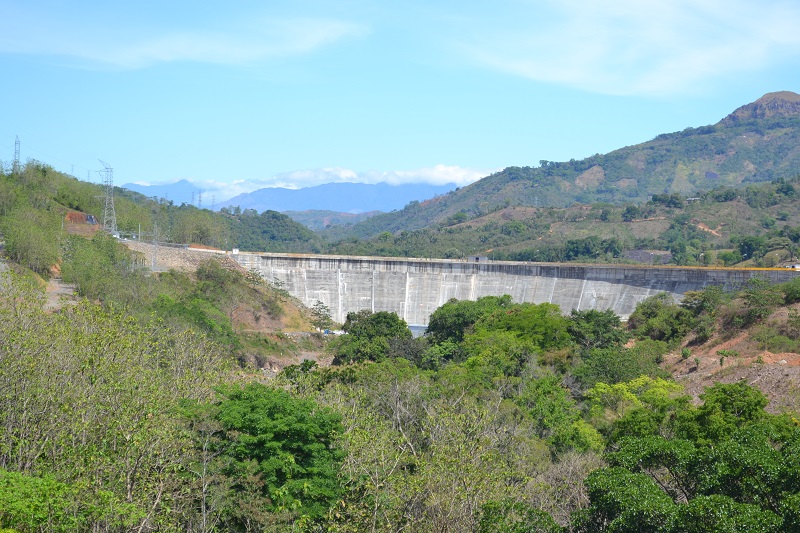
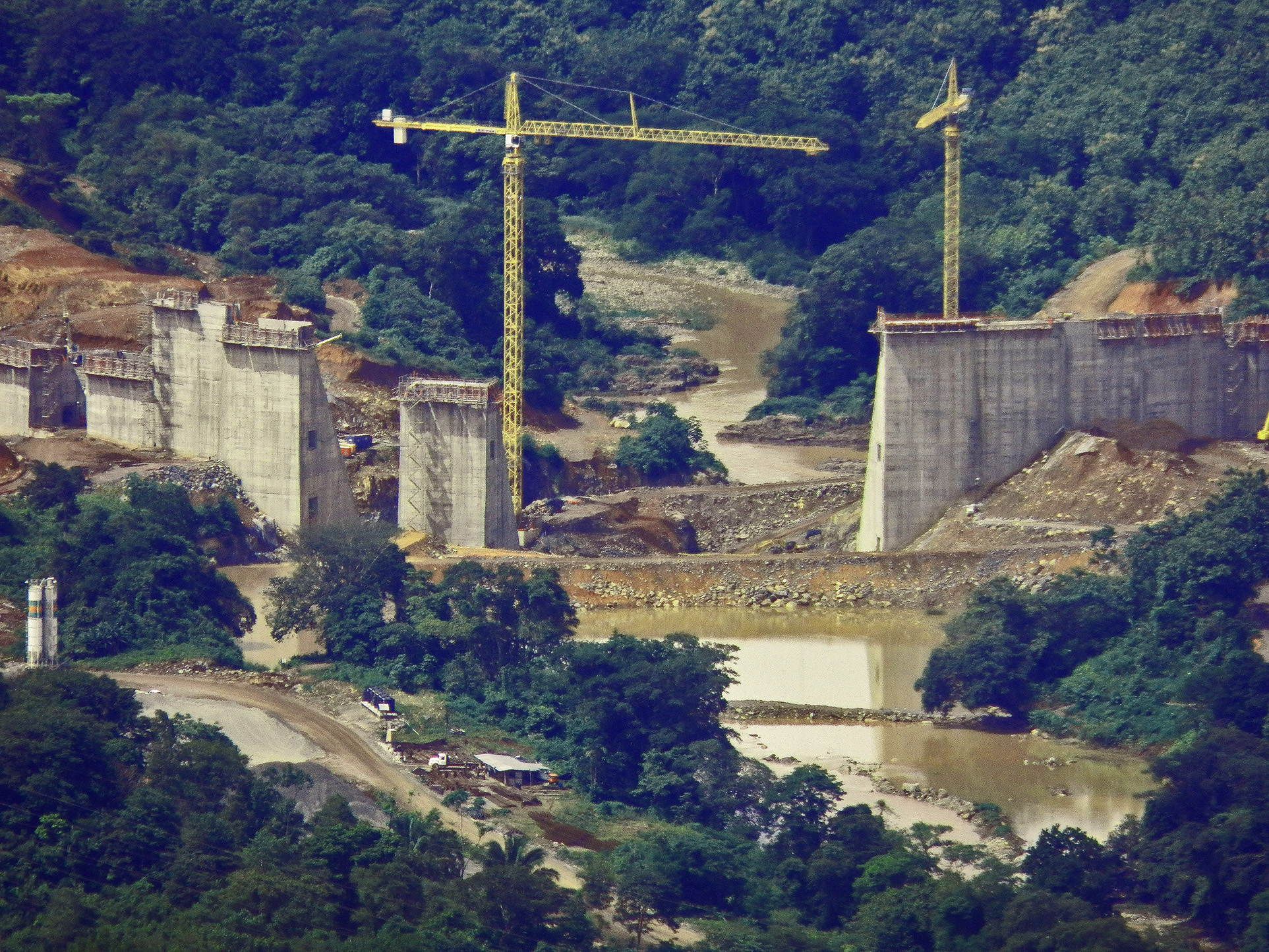
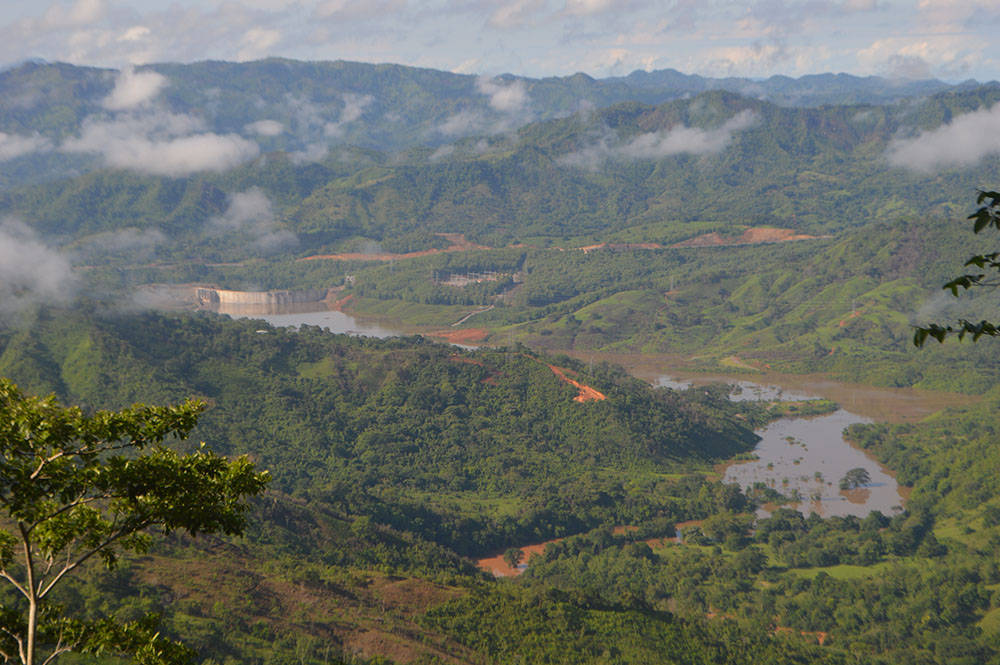
Since 2011, a large dam has been under construction in the Tabasará river in Panama. The Dutch development bank FMO is one of the financiers of the project, which is being implemented for the Panamanian government. Together with the German development bank DEG and the Central American Bank for Economic Integration (CABEI), FMO is investing 77 million US dollars in the project. The dam is being built by the Panamanian company GENISA.
No consultation with local communities
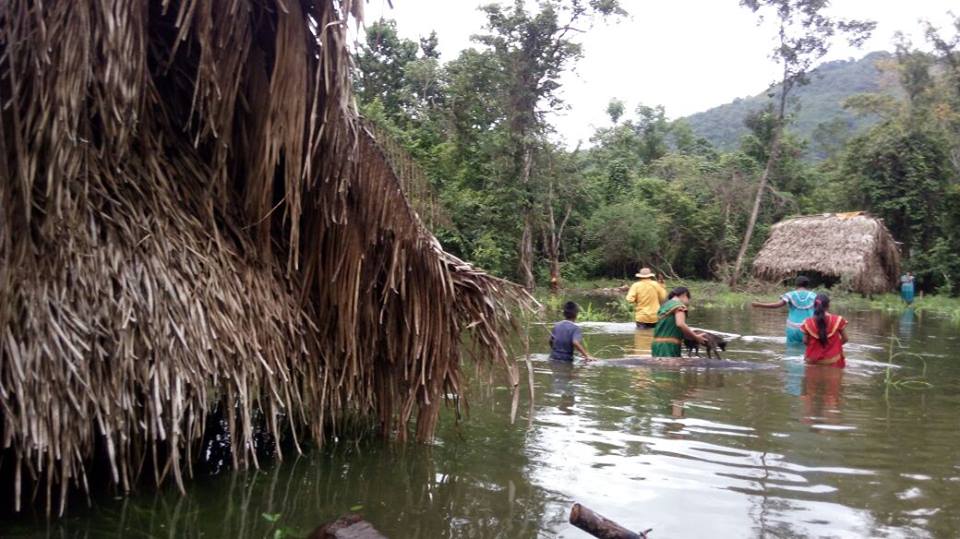
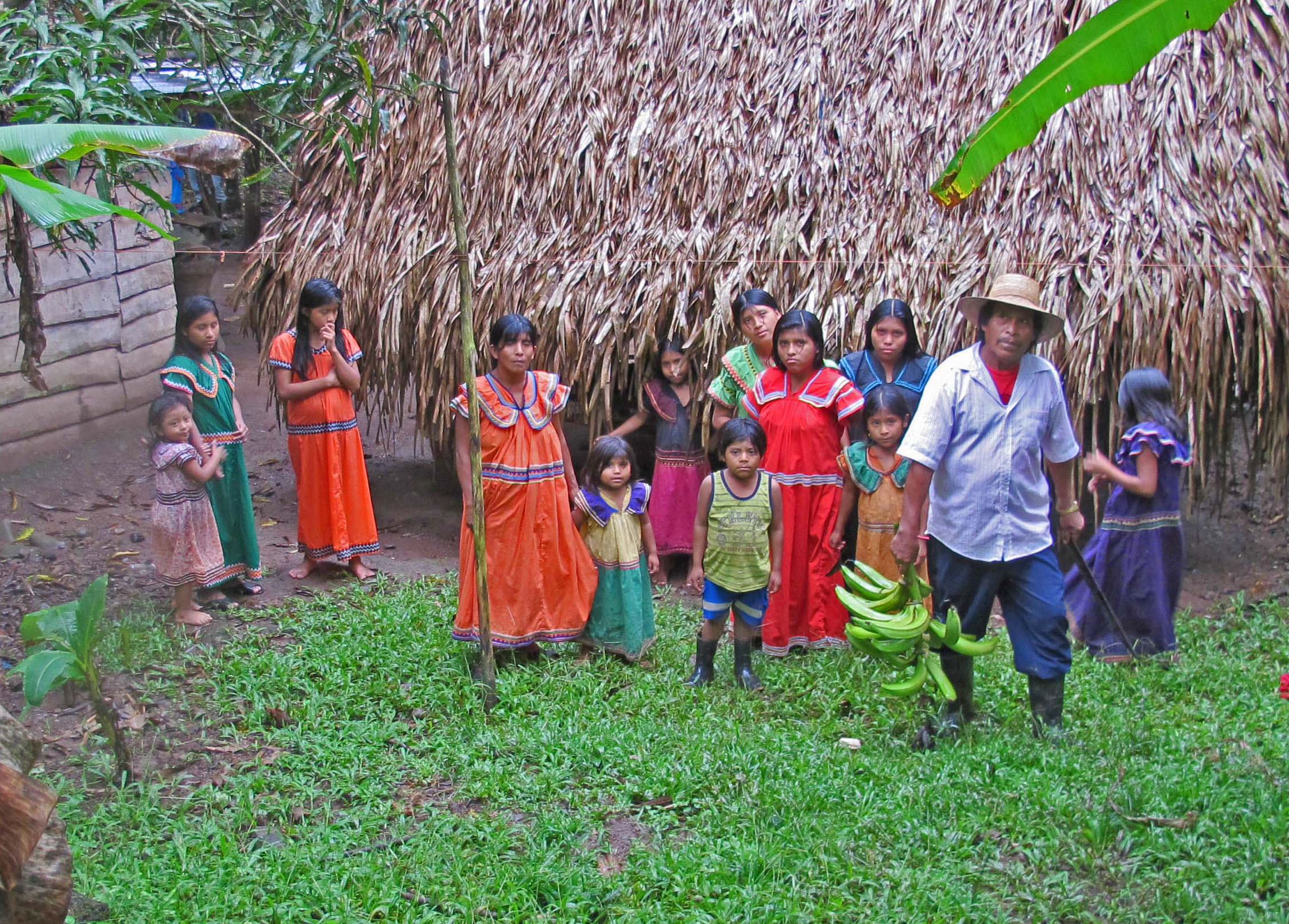
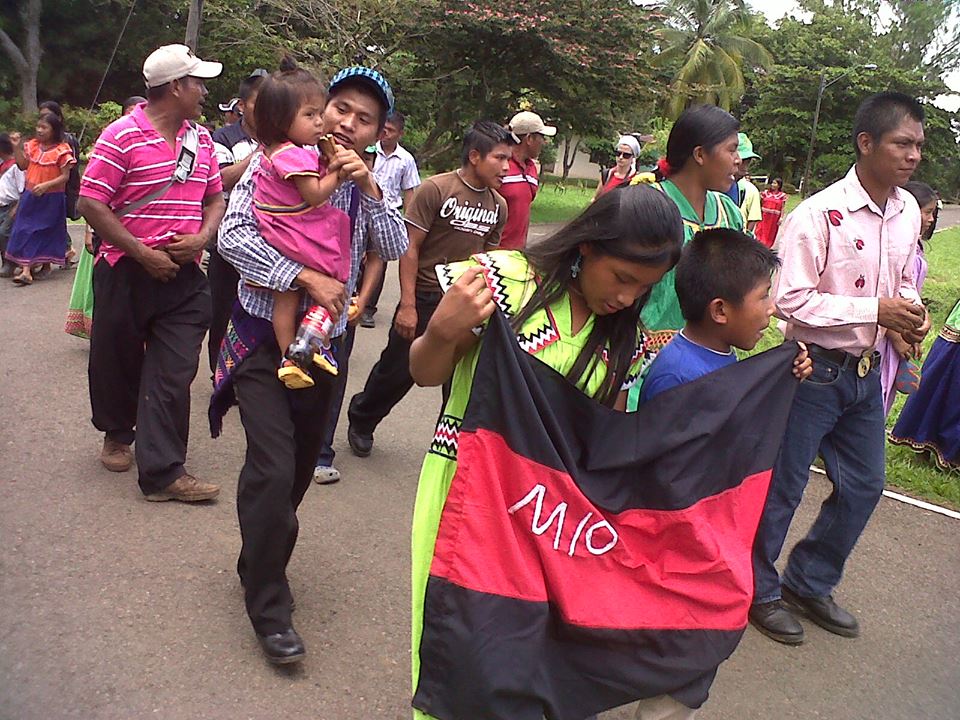
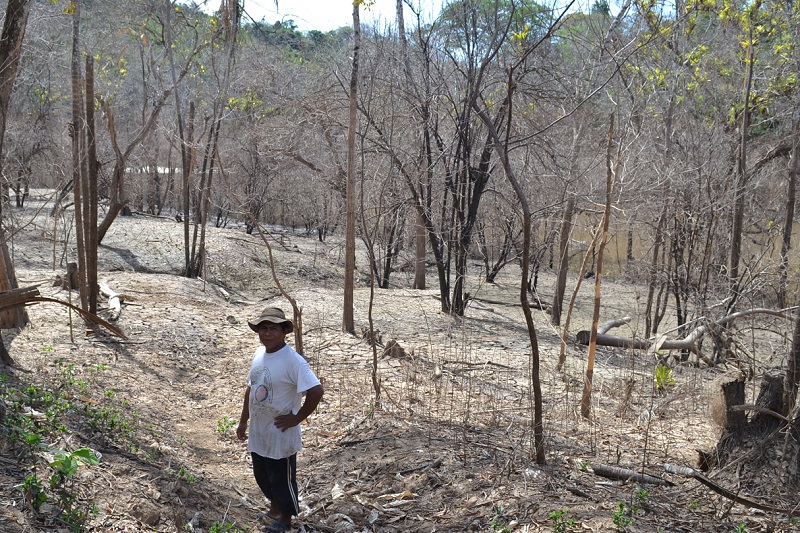
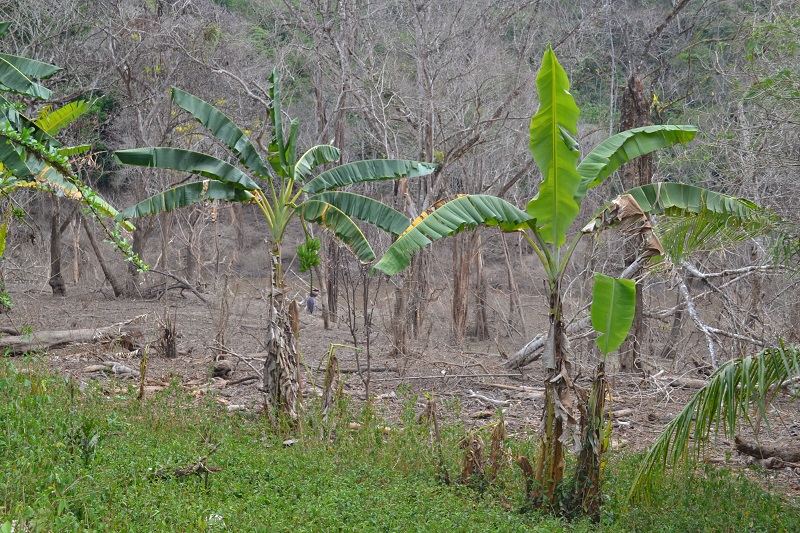
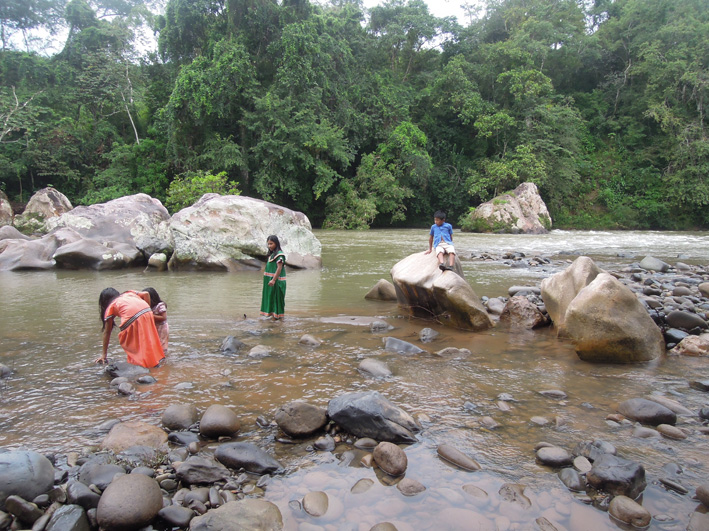
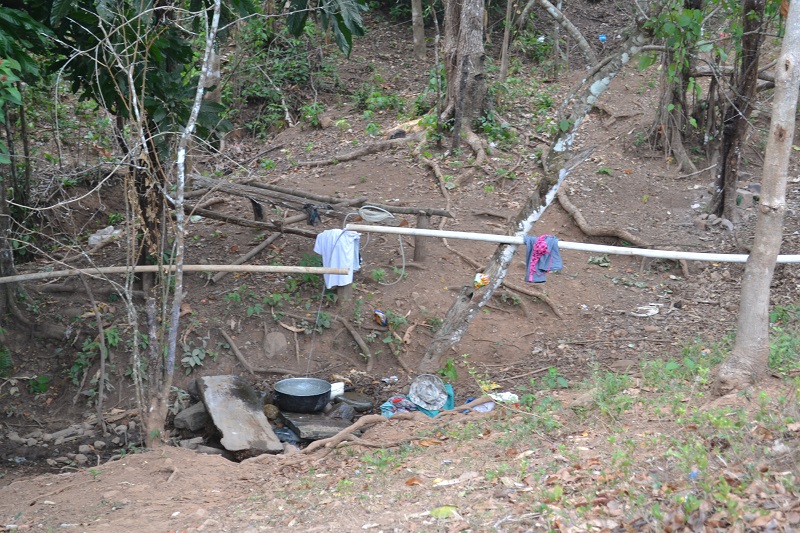
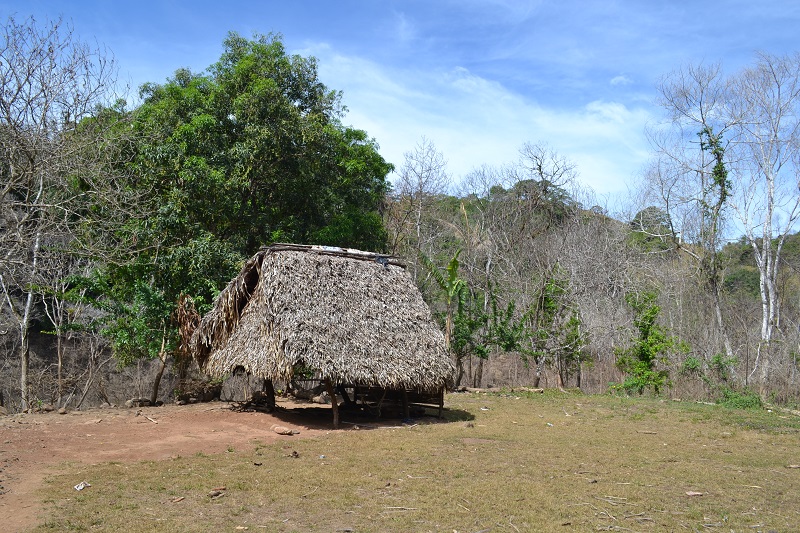
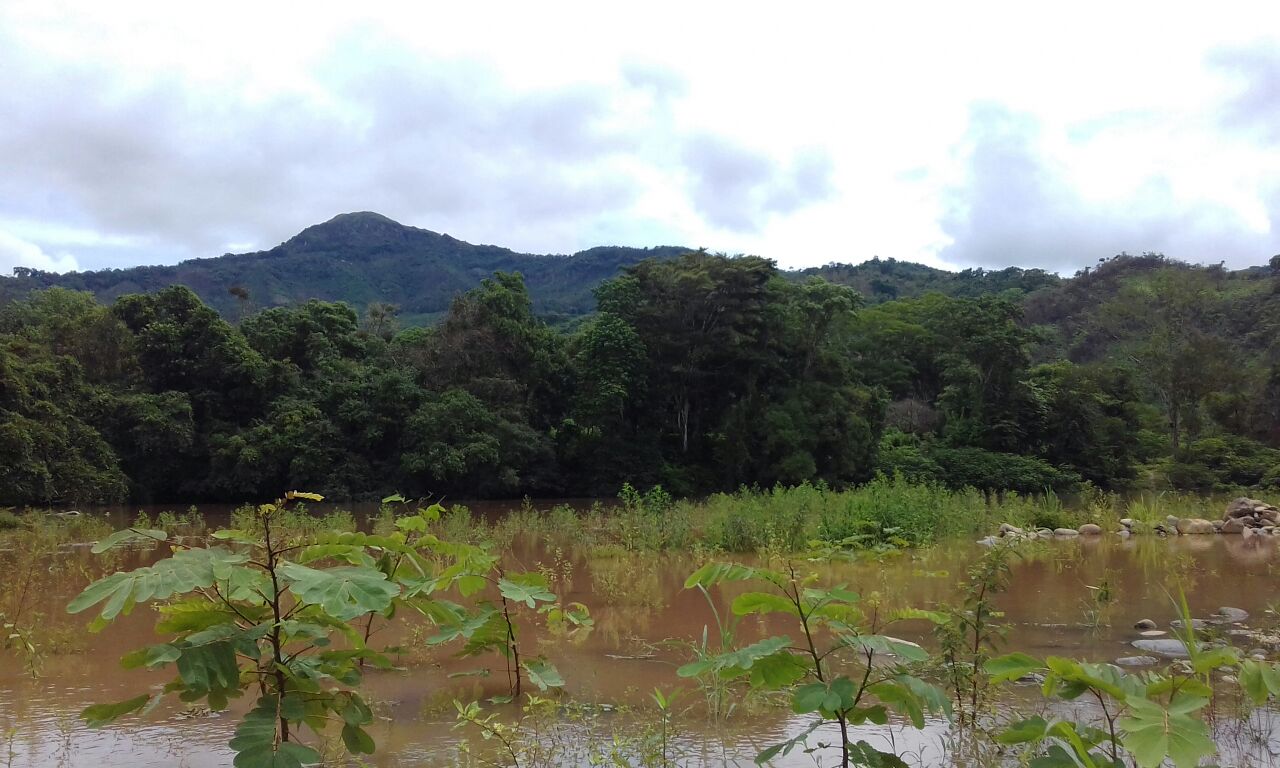
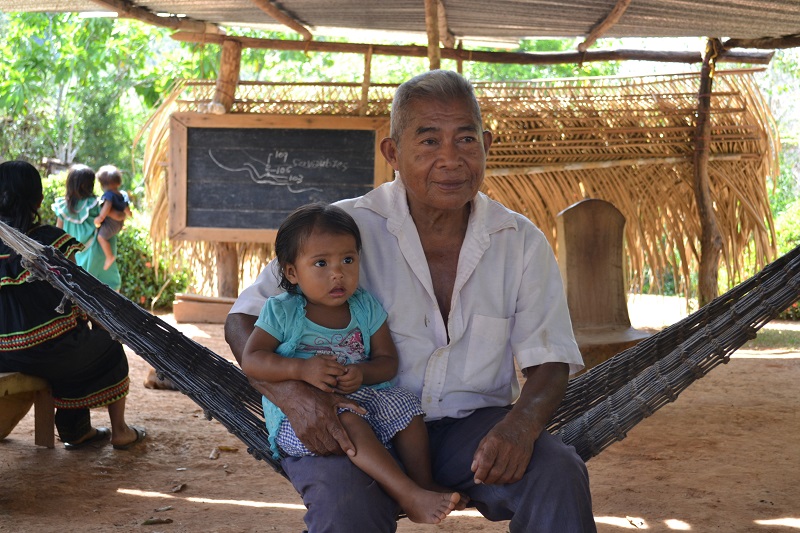
Around the basin of the river live Ngäbe families, who are part of the Ngäbe-Buglé, an indigenous tribe of around 200,000 people. They are resisting the building of the dam because the lake it will create will inundate their houses, religious and historical sites, and part of their fields and food forests.
Local environmental and human rights movement M-10, whose members mainly live in the area affected by the dam, says that local Ngäbe communities have not been involved at all in the decision-making on the Barro Blanco dam. For a project of this nature, however, the free, prior and informed consent (FPIC) of the indigenous population is required. This right is laid down in the UN Declaration on the Rights of Indigenous Peoples, with which FMO also has to comply.
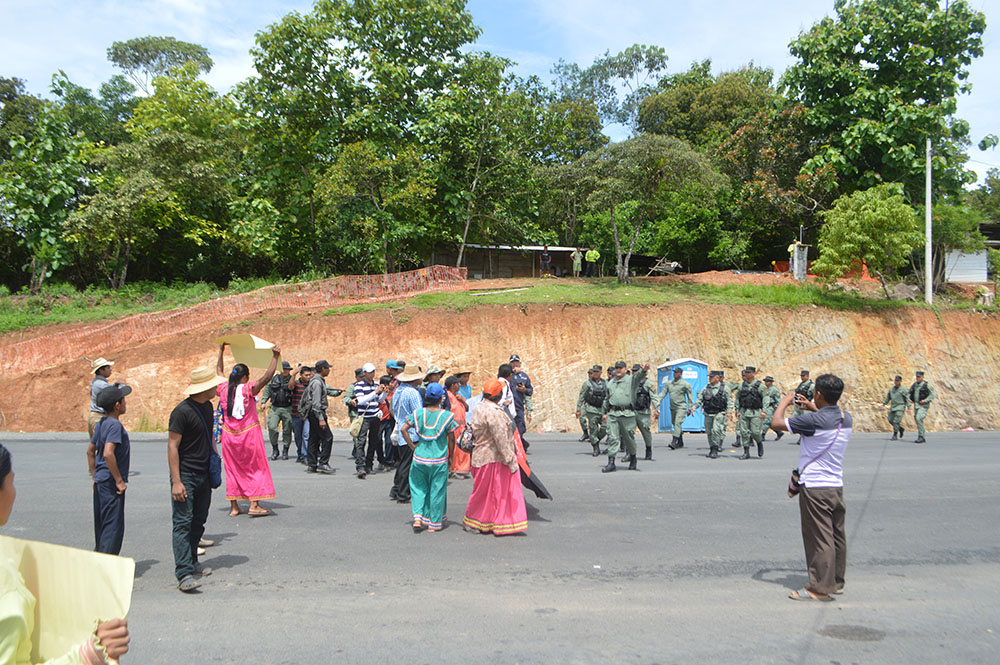
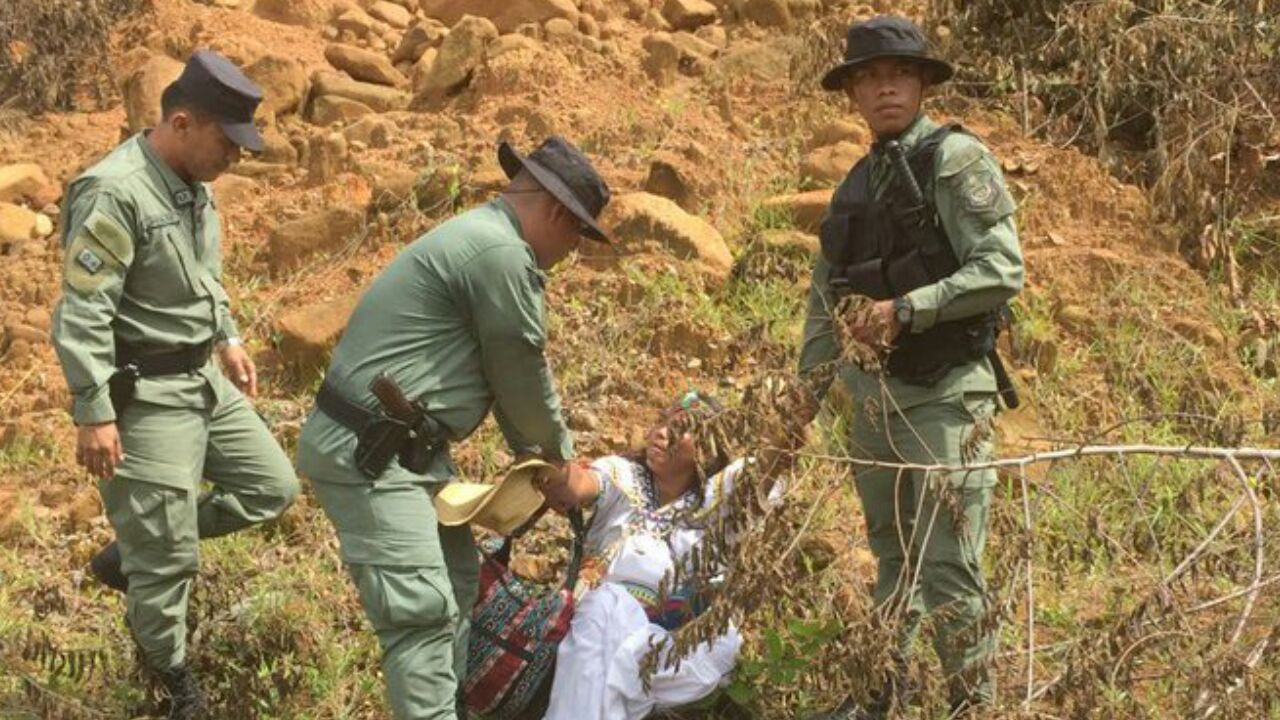
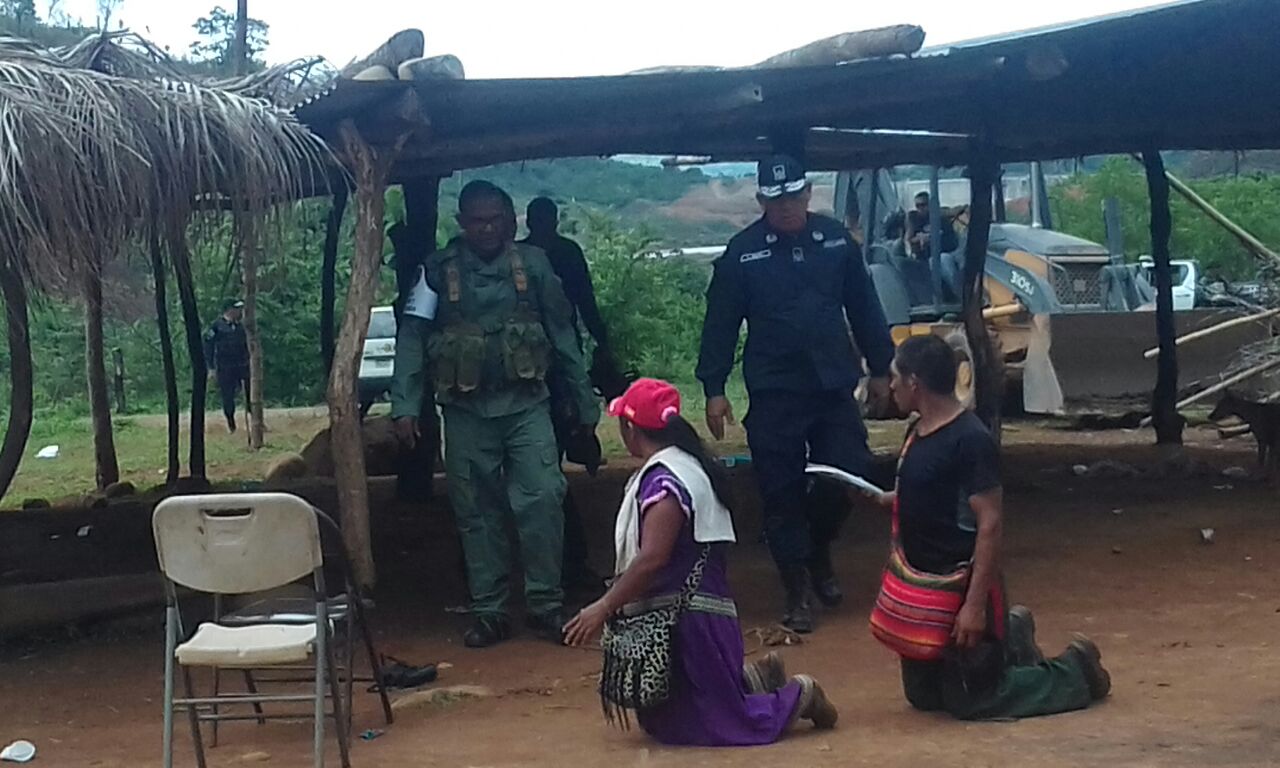
In recent years, the Ngäbe have conducted peaceful protests against the building of the Barro Blanco. In 2012, the army intervened, leaving two dead and 40 wounded, and more than 100 protesters were arrested. At later demonstrations, too, the atmosphere was tense.
Difficult dialogue with the Panamanian government
In the case of Barro Blanco, the Panamanian government displays it most unreliable side. It is trying to reach agreement with the indigenous Ngäbe-Buglé Congress, the tribe's legal representative body. The government is negotiating with the executive board of the Congress. The Congress has, however, disbanded the board, and there is little chance that it will, therefore, accept any agreement between the government and the board.
In the meantime, the building of the dam continues, despite a decision by the Panamanian environmental authorities calling for work to be suspended. In 2016 and 2017, again despite earlier promises by the government, the dam's sluice gates were closed, officially to test them. Test or not, the damage has already been done to the land and homes of the Ngäbe. And worse still, on both occasions those immediately affected were not warned and were given no information about what would happen to their land. The dam now seems to be in full operation.
As a final legal resort, the communities have taken their complaints to the Inter-American Court of Human Rights (IACHR). With support from Both ENDS, representatives of M10 and partner organisation ACD travelled to Washington for a hearing and submitted an official petition to the IACHR. The Court ordered the Panamanian government to consult more closely with the local communities.
FMO fails to comply with its own policy
Both ENDS has been following the project since the current financiers were considering investing in it, because we saw that the correct procedures had not always been followed in the decision-making process. With such a large-scale intervention, FMO must assure itself that local inhabitants have consented to the project on the basis of free and prior information. The events described above show clearly that this did not happen in the case of the Barro Blanco project.
Both ENDS and M-10 have therefore been involved in dialogue with FMO for many years about the project. As long ago as 2011, we submitted objections to Barro Blanco, but FMO dismissed them, claiming that all the requirements had been met. In 2014, M-10 submitted a complaint to the newly set-up complaints mechanism of the FMO and DEG. The subsequent report stated that the banks had not taken sufficient account of the rights of the local population and the impact on the environment, and that FMO had acted in violation of its own guidelines.
As a result of the tests and of the reservoir ultimately filling up, people have been forced to leave their homes and land. This has taken place without them being informed or compensated, and without them giving their consent. That is not only against FMO's own policy, but in violation of international human rights.
Both ENDS continues to support the local people
What now? The dam has almost been completed and the land of the Ngäbe is under water. FMO is hiding behind the dialogue between the Panamanian government and the dismissed indigenous Congress board.
Both ENDS continues to fight to stop the violations of the rights of the Ngäbe people in Panama. We continue to support our partners in their legal actions against the national government, at every level up to the IACHR.
In addition, FMO must show that it does not accept the violation of human rights by its client GENISA and demand that they suspend the project until the local communities have been correctly consulted and compensated.
For more information



Read more about this subject
-
 Dossier /
Agua Zarca: indigenous fight against dam costs lives
Indigenous Hondurans are resisting the construction of the Agua Zarca hydrodam. Their fight has cost several lives, including that of Berta Cáceres. After considerable public pressure, Dutch development bank FMO withdrew from the project.
-
 Dossier /
Fair Green and Global Alliance (FGG)
Together with civil society organisations from all over the world, the Fair Green and Global (FGG) Alliance aims for socially just, inclusive and environmentally sustainable societies in the Netherlands and the Global South.
-
 Dossier /
Advocating for responsible policies of development banks
Development banks should comply with strict environmental and human rights rules to ensure that their projects benefit and do not harm the poorest groups. Both ENDS monitors the banks to make sure they do.
-
 Dossier /
Large-scale infrastructure
Large-scale infrastructural projects have detrimental effects on local people and the environment, while their benefits are felt elsewhere. Both ENDS is working to ensure that local people have a greater say in decision-making and is investigating the way these projects are funded.
-
 Blog / 1 December 2025
The Long Road to Justice for the Ngäbe of Kiad
In October 2025 I travelled to Kiad, the Indigenous Ngäbe community that led the struggle against the FMO-financed Barro Blanco dam, for one last time. I went there to say my goodbyes, both personally and on behalf of Both ENDS, and to catch a first glimpse on how a community program financed by FMO and DEG – the result of a dialogue process that took several years – is giving a new impulse to the dam-affected communities. But how did we get here?
-
 News / 24 June 2025
Indigenous communities in Panama obtain recognition and partial mitigation measures by Development Banks FMO and DEG in relation to the Barro Blanco dam
Both ENDS and SOMO welcome the signing of the agreement of understanding between four Indigenous Ngäbe communities in Panama and the European development banks FMO and DEG on June 17th 2025. The arrangement includes a community development program that, together with a public statement issued by the banks, aims to recognize and mitigate some of the negative impacts caused by the Barro Blanco hydropower dam. We wish to congratulate the community-based organisation Movimiento 10 de Abril (M10) for its perseverance to seek justice for the affected communities, and we acknowledge the commitment of FMO and DEG to pursue a solution to their long-standing dispute with the communities arising from their partial financing of the hydropower project since 2011.
-
 Blog / 11 April 2025
FMO is very pleased with its own success – now the local population still needs to be
The FMO development bank is proud of its results and the opportunities it seizes where commercial banks fail to act. But do the bank's actions really help, ask Anne de Jonghe and Nick Middeldorp.
-
Letter / 3 March 2025
Input for FMO’s “investment approach to responsibly managed forest plantations”
Both ENDS has been asked by FMO to comment on its draft investment approach to responsibly managed forest plantations. To follow are a number of observations and recommendations, partially informed by Both ENDS long legacy of working in the forest & land arena, in dialogue with international donors, philanthropic foundations, companies, certification bodies and notably with forest dependent communities and other land users.
-
 News / 26 October 2022
Senegal: 26 innocent people including Both ENDS' partner arrested in Senegal
Update October 27th:
Today our friends have been released after five nights in detention. We welcome this great news and we are happy and relieved that Babacar Diouf and the others who were arrested will soon be back with their loved ones.
Nonetheless this was a very bad signal from Senegalese authorities and police and an indication of the growing restriction on civic space in Senegal. It is unacceptable that freedom of expression is restricted, people should not have to go to jail for peacefully expressing their opinion - especially when their livelihood is at stake.
-
 Press release / 5 October 2022
Independent research confirms FMO’s responsibility for destruction caused by Barro Blanco dam, recommends compensation
Utrecht, 5 October 2022 - Dutch development bank FMO bears responsibility for the destruction of livelihoods, economic losses and environmental damage caused by the construction of the Barro Blanco dam in Panama, according to a report by the bank's Independent Complaints Mechanism (ICM). Indigenous communities affected by the dam are pleased that their complaints have been confirmed and reiterate their call for apologies and compensation.
-
 News / 22 August 2022
Complaint to development banks about the Nachtigal dam in Cameroon
Both ENDS partner IFI Synergy has filed a complaint to the World Bank on behalf of local inhabitants about the Nachtigal dam in Cameroon. The dam is causing considerable problems for local communities and local people feel that the compensation they receive is inadequate. They also feel that they were insufficiently informed and consulted before construction of the dam started.
-
 News / 10 June 2022
FMO fails to meet best practices on financial intermediaries
In a new Position Statement on Financial Intermediary (FI) Lending, Dutch development bank FMO argues for limited responsibility over the outcomes investments that are channeled through commercial banks, investment funds, and other financial intermediaries, representing by far the bigger sector of its portfolio. In doing so, FMO is undermining its development mission, including the protection of human rights and addressing the climate crisis. FMO intends to delegate these key responsibilities to its FI clients only, falling short of best practices of peer financial institutions. In a joint submission prepared by Both ENDS, Oxfam Novib, Recourse and SOMO, we argue that FMO can do much more to ensure the protection of human rights, the environment, and to measure the development impact of its indirect investments.
-
Letter / 10 June 2022
Joint submission on FMO’s Position Statement on Financial Intermediaries
Both ENDS, SOMO, Oxfam Novib and Recourse sent in a submission to FMO's public consultation on its Position Statement on Financial Intermediaries. In this position statement, FMO only takes limited responsibility for the consequences of its investments through so-called financial intermediaries. We call upon FMO to publish a position statement that focuses on protecting human rights and the environment and take full responsibility for this.
-
Letter / 15 May 2022
Both ENDS Comments and recommendations on the Bank Group’s Environmental and Social Policy of the AfDB Integrated Safeguards System
This letter by Both ENDS to the African Development Bank is a comment written in reaction to a draft version published by the Bank of its Environmental and Social Policy as part of a formal public consultation held by the Bank. This comment was sent to the bank along a joint submission letter with other CSOs, and specifically responds to the overarching Policy.
The bank's flexible requirements for clients and national standards for risky projects dilute safeguards. Project approval should be predicated on specific and binding targets for compliance and reflect input from communities involved.
-
Letter / 15 May 2022
Joint Submission of comments and recommendations to the Public Consultation on AfDB Integrated Safeguards System
Together with 29 other CSO's, we've submitted our comments and recommendations in the Public Consultation on the AfDB Integrated Safeguards System. These include that the Bank should prioritize community-led development and human rights-based approaches; protect natural resources and tackles environmental and climate crises; raise the bar on access to information, transparency and accountability; facilitate participatory processes in policies, programmes and projects; and end inequality, poverty, and the cutback and privatization of vital services.
-
 News / 15 April 2022
IDB stops funding for two controversial dams in Guatemala: ground-breaking decision
The Inter-American Development Bank (IDB) has taken a unique decision to withdraw from the construction of two controversial dams in Ixquisis, Guatemala. Both ENDS has supported our partner AIDA for many years in its fight against the dams. Tamara Mohr and Pieter Jansen explain why this decision is so exceptional.
-
 News / 23 December 2021
2022 is the year for FMO to make good on its promises and provide financial support only to sustainable development
2021 was a turbulent year for Dutch development bank FMO, to say the least. The bank has been under fire for many years for investments linked to human rights violations and suspected corruption. But in the past year, the Dutch press and media have reported on one new development after the other in ongoing cases involving FMO. Below we give a short summary of these cases and call on FMO to make the promised improvements in 2022.
-
 News / 8 November 2021
Both ENDS and SOMO condemn violence against Indigenous community near the Barro Blanco dam in Panama
Members of the Indigenous Ngäbe Buglé people were brutally attacked by Panamanian police on Friday 29 October 2021 from a parcel of private land near the FMO-financed Barro Blanco hydroelectric dam. The victims, all members of the anti-dam movement M22, had peacefully occupied the land after their protest camp got dismantled in July this year.
-
Letter / 23 August 2021
Joint CSO Submission A Gender comment on the newly proposed EIB E&S Framework
6 civil society organizations, including Both ENDS have submitted a gender comment on the newly proposed EIB Environmental and Social Framework. The EIB Environmental and Social Standards has to be updated to ensure that due attention to gender specific impacts, risks and related mitigation strategies is integrated in the policy and each standard, as well the assessment needs to specifically address the needs and problems of all genders. A lot of improvements can be made in the integration of gender aspects in policy and standards, in order to prevent violation of the rights of women and girls during project implementation, and tools (widely used by other organisations) and or commitments for their development should be included (inclusive consultations, Gender assessments and analyses, gender impact assessment, Legal Assessment Tool (LAT) for gender-equitable land tenure, gender responsive tools for prevention of violence.
-
Letter / 23 August 2021
Reflecting the duality of gender and climate in the EIB’s Environmental and Social Sustainability Framework’s Standard 5 on Climate Change
This briefing of Eurodad, co-authored by Pieter Jansen, Both ENDS aims to outline recommendations on how the European Investment Bank should address the interconnected issue of gender inequity and the climate crisis in the newly proposed environmental and social policy.Severe climate change has consequences for human rights, including the right to life. As such, under the European convention on human rights the EIB has a duty to stop carbon-emissions related investments. The EIB and project promoters must monitor a project's greenhouse gas emissions and the climate risks of the project on the natural environment, and the women possibly affected by the project. The newly proposed policy should ensure that project promoters, who apply for EIB funding, submit a gender and social inclusion plan, and full participation and engagement of women, local communities and stakeholders in the Climate Risk Vulnerability Assessment methodology.