




Unambitious and uninspiring: the European Commission’s proposal for stepping-up action on global deforestation
After five years of equivocation the European Commission has proposed a ‘roadmap’ for stepping-up EU action to address its contribution to global deforestation. Despite the escalating impact of EU trade in forest-risk commodities, regardless of repeated calls from the European Parliament for regulatory measures and contrary to the conclusions of the Commission’s own feasibility study in support of legislative intervention, the Commission has ruled-out out any new initiatives, let alone any legislative measures. The Commission’s solution to this complex problem: policy coherence.
On 18 December 2018 the European Commission released a ‘Roadmap’ that outlines the initiatives it proposes for “stepping-up EU Action against Deforestation and Forest Degradation”. The Roadmap responds to a long process of investigation, study, and policy deliberation set in train in 2008 by the Commission Communication on deforestation and forest degradation. In the decade since, the necessity for decisive action to address the growing trend of EU consumption of forest-risk commodities and increasing contribution to global deforestation has been expressed in various EU strategies (eg. the EU Forest Strategy), programmes (eg. the EU Environment Action Programme to 2020), reviews of existing forest governance and timber industry initiatives (eg, the Forest Law Enforcement, Governance and Trade Action Plan), and policy commitments (eg. the 2017 European Consensus on Development).
EU's contribution to deforestation is rising every year
Despite the abundance of existing policies and non-binding measures, as well as numerous private sector commitments and voluntary certification schemes, the consumption of forest-risk commodities in the EU, and the EU’s contribution to global deforestation, has risen steadily year on year. In response to the apparent ineffectiveness of existing measures, the European Parliament has repeatedly called on the Commission to develop concrete and coherent regulatory measures to address EU trade and investment in forest-risk sectors (eg on 4 April 2017, on 4 July 2018, and 11 September 2018) and a number of EU member-states have called for “an ambitious EU Action Plan on deforestation and forest degradation“ (eg. the call from Italy, France, Germany, the Netherlands, Denmark, Norway and the United Kingdom on 1 November 2018). The Commission’s own Feasibility study on options to step up EU action against deforestation, published on 19 March 2018, concluded that new legislative measures combined with coherent policy initiatives would have the greatest impact and deliver the most effectiveness, though also requiring the largest effort on the part of the EU.
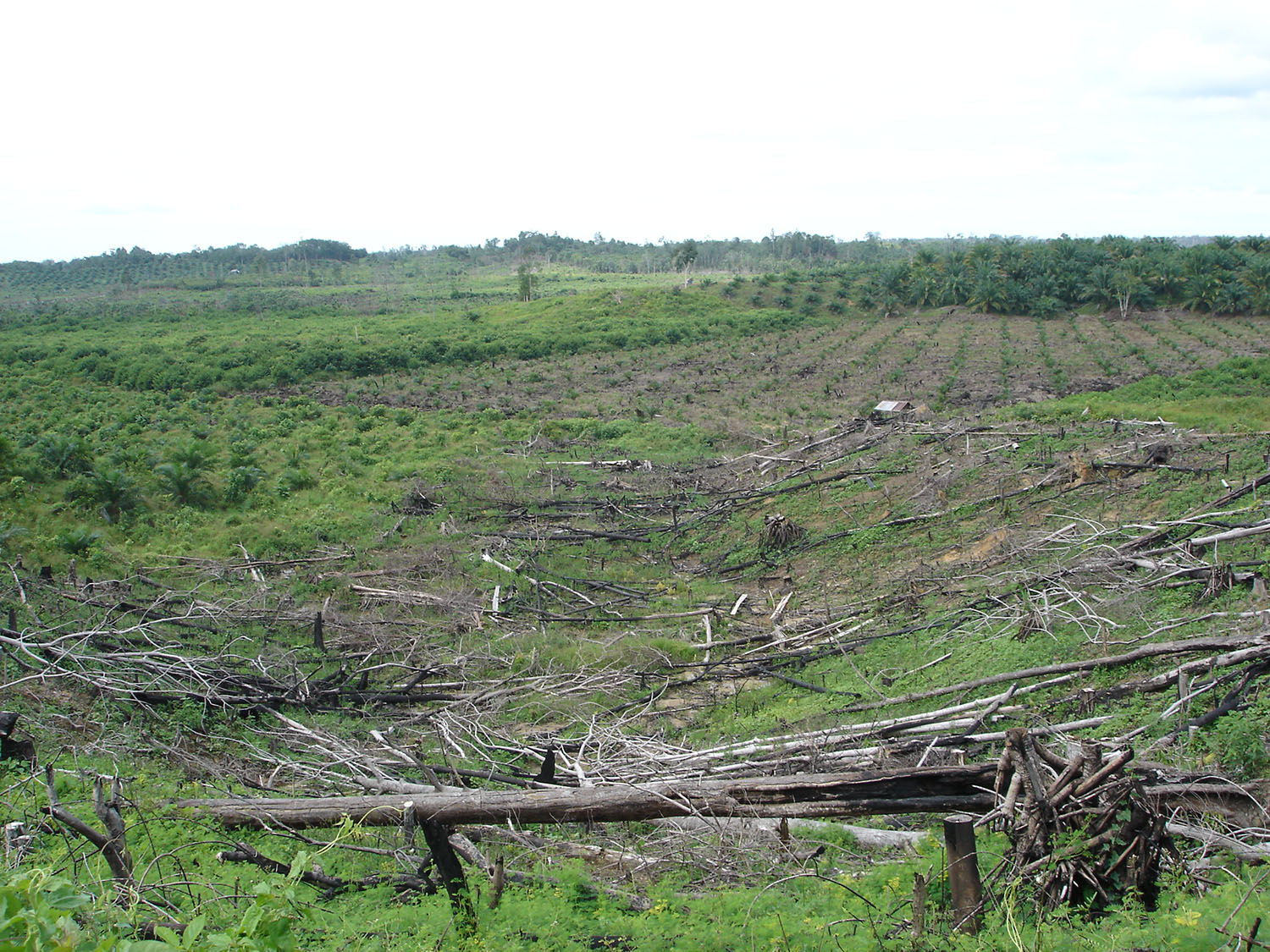
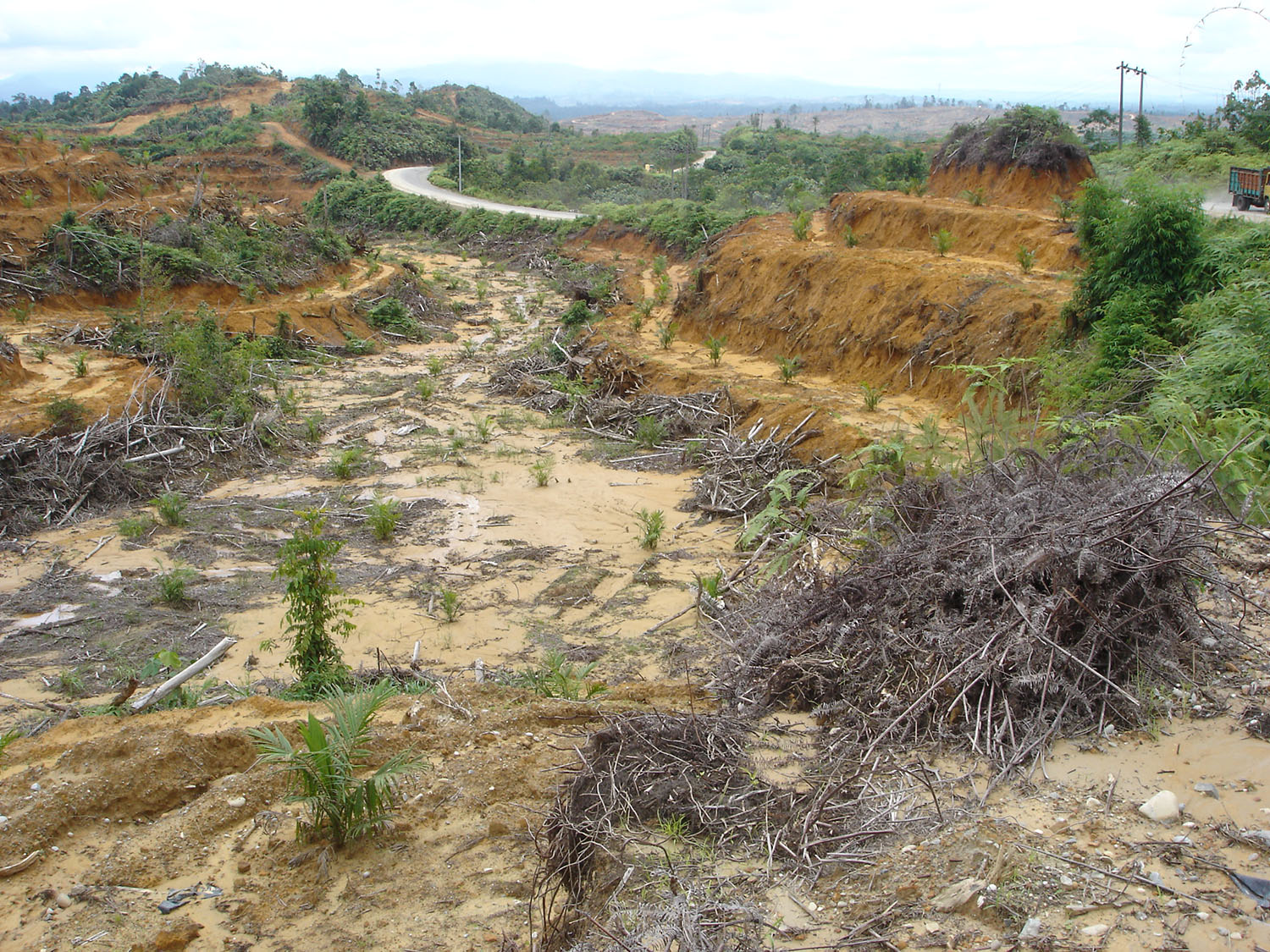
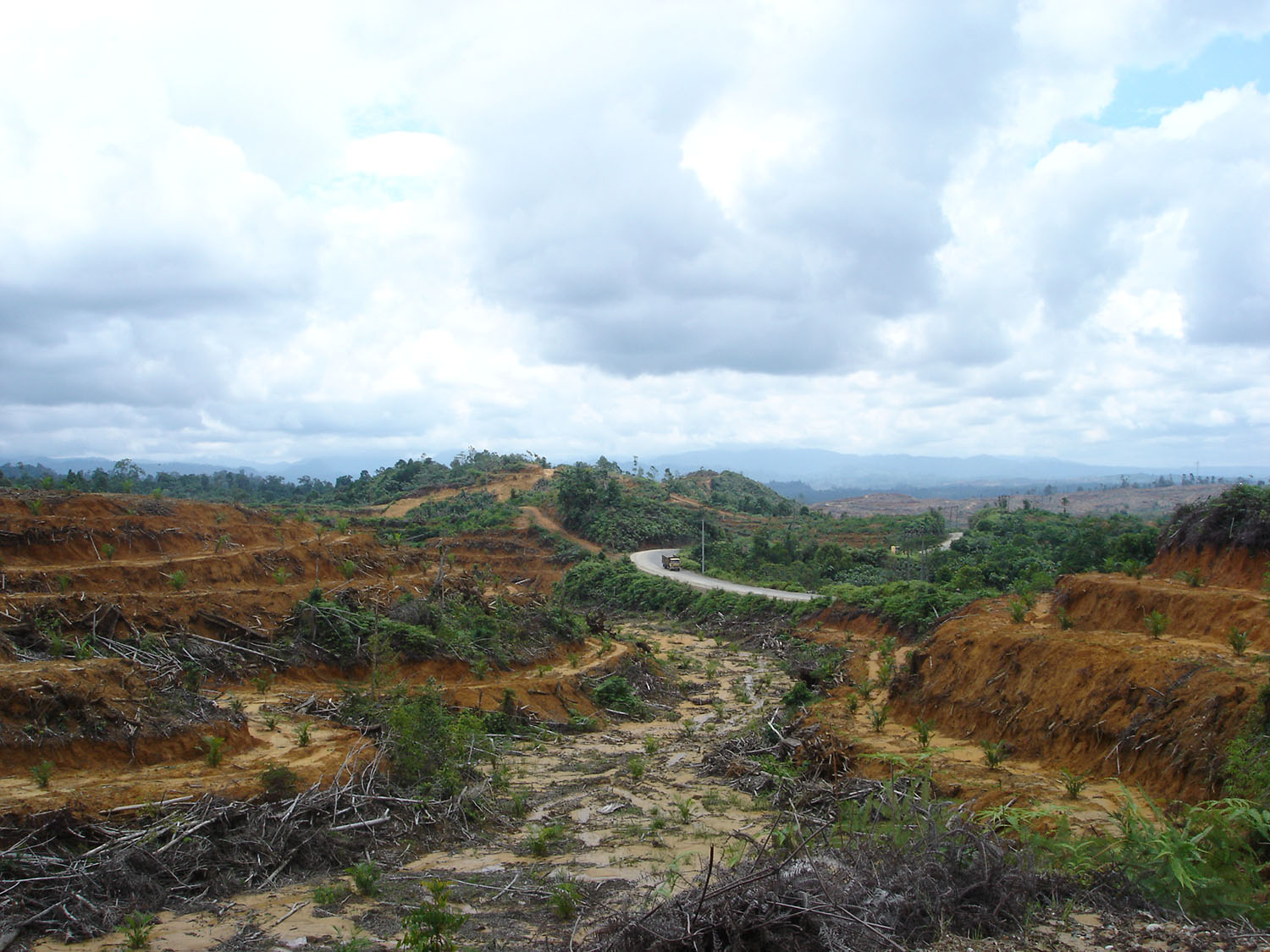
Deforestation and human rights violations highly linked to EU
Both ENDS and the Forest Peoples Programme, together with partners from Europe and tropical forest countries, have made repeated visits to Brussels to speak with Commission representatives and emphasise the systemic patterns of human rights violations, environmental damage, displacement, physical and sexual violence, corruption, intimidation and murder of local communities, their leaders and human rights defenders linked to the expansion of forest-risk sectors in producing countries. It appears the testimonies of human rights defenders and community leaders describing the first-hand impacts of deforestation linked to European supply chains have fallen on deaf ears.
Decisive and binding action to reduce EU demand for forest-risk commodities and investment in forest-risk sectors could both prevent violence in producing countries and support efforts to protect the livelihoods, land rights and food and water security of local communities, while also supporting the EU’s efforts to implement the Sustainable Development Goals and reducing the EU’s contribution to global climate change. The challenge of tackling the negative impacts of the global agricultural system is immense, but it is absolutely essential to efforts to halt global deforestation and prevent dangerous climate change – goals to which the EU has unequivocally committed.
New EU roadmap with measures to counter deforestation is very weak and dissappointing
Despite the importance of these objectives, the mounting evidence of the EU’s contribution to the problem, and the policy-making mandate for regulatory measures conferred by the European Parliament, the ‘roadmap’ of measures proposed by the Commission sets the woefully inadequate and sadly unambitious aim of “a more coherent policy framework for existing policies and tools”. In doing so, the Commission has unreasonably limited the scope of potential measures and ignored the recommendations of its own Feasibility Study for “a more coherent and comprehensive EU approach” acting on multiple levels, of which legislative measures offer the greatest chance of impact. Instead, the Commission has opted for the relatively easier, yet most-likely ineffective option of tinkering with existing initiatives and policies – an approach described in the Feasibility Study as being least effective and having the lowest likely contribution to the objective.
The Roadmap is equally silent on the human rights dimension of deforestation, how the proposed measures will support the EU’s existing human rights obligations and sustainable land governance commitments (for example, the UN Declaration on the Rights of Indigenous Peoples and the FAO Voluntary Guidelines on the Responsible Governance of Tenure), or support secure tenure rights of forest communities and indigenous peoples in producing countries – proven to reduce deforestation effectively and efficiently.
Inputs into EU Commission’s proposals
The Roadmap was open for feedback until 15 January 2019. In the hope of alerting the Commission to the importance of its task and the evidence supporting an escalation in effort, Both ENDS and the Forest Peoples Program together with six partners from tropical forest countries made a written submission emphasising our concerns and recommendations. We hope our input will prompt the Commission to reconsider the scope of appropriate and justified measures required to address the EU’s contribution to global deforestation.
An online questionnaire about the Commission’s proposed approach was open for input until 25 February 2019. Both ENDS and partners also submitted a position paper during this second round of consultation.
Read more about this subject
-
 Dossier /
Dare to Trust: the power of unconditional funding
At Both ENDS we cherish our long-term relationships with partners in our global network. These relationships are based on equality and built on trust. The trust we have in each other has developed from years of strategic cooperation, including joint advocacy around common agendas, knowledge sharing, networking, and mobilising and sharing resources to advance environmental justice.
-
 Dossier /
Global Alliance for Green and Gender Action (GAGGA)
GAGGA rallies the collective power of the women's rights and environmental justice movements to realize a world where women can and do access their rights to water, food security, and a clean, healthy and safe environment.
-
Publication / 29 september 2026
-
 Press release / 29 september 2026
New Zealand faces its first climate complaint under EU trade rules
UTRECHT / WELLINGTON, 29 September 2026 /30 September in Aotearoa New Zealand
Both ENDS, a Dutch environmental justice organisation, has lodged a formal complaint with the European Commission arguing that New Zealand has broken the climate promises it made in its free trade agreement with the European Union. It is the first complaint on environmental and climate grounds under the Commission's Single Entry Point, the mechanism that lets civil society ask the EU to enforce the sustainability commitments in its trade agreements.
-
 Dossier /
Trade agreements
International trade agreements often have far-reaching consequences not only for the economy of a country, but also for people and the environment. It is primarily the most vulnerable groups who suffer most from these agreements.
-
 News / 7 september 2026
Unprecedented criminal conviction in the Mariana disaster case breaks mining industry's cycle of impunity
A Brazilian federal court has, for the first time, criminally convicted a mining company and three of its managers for their role in the 2015 collapse of the Fundão dam, one of the worst environmental disasters in Brazil's history. Our partner Instituto Cordilheira, which represented victims as assistant prosecutors in the case, calls it a historic breakthrough after years of impunity.
-
 Dossier /
Communities Regreen the Sahel
In various countries in the Sahel, vast tracts of land have been restored by the local population by nurturing what spontaneously springs from the soil and protecting the sprouts from cattle and hazards.
-
 News / 3 september 2026
Restoring Land, Restoring Hope: Both ENDS at UNCCD COP17 in Mongolia
From 17 to 28 August, governments gathered in Ulaanbaatar, Mongolia, for COP17 of the UN Convention to Combat Desertification (UNCCD). At stake was more than how the world responds to land degradation and drought. It was also a question of who gets to shape land restoration, whose knowledge counts, and where the money goes.
-
Letter / 14 juli 2026
Statement on CAO Cambodia Microfinance Case
The independent complaints mechanism of the International Finance Corporation (IFC) and the World Bank Group found that the IFC violated its own Environmental and Social Sustainability Framework by investing in six banks providing microfinance in Cambodia.
-
 News / 6 juli 2026
Strengthening Women's Land Rights Across the Rio Conventions
From 29 June – 2 July 2026, Tamara Mohr, GAGGA coordinator at Both ENDS participated in the 4th convening of the Women's Land Rights Initiative (WLRI) in Nairobi, Kenya.Hosted by the Robert Bosch Stiftung, TMG Research and the Huairou Commission, the event brought together grassroots organisations, (inter)national NGOs, government institutions and donors from around the world.
-
Publication / 3 juli 2026
-
 Dossier /
Gas in Mozambique
In 2011 one of the world’s largest gas reserves was found in the coastal province of Cabo Delgado, in the north of Mozambique. A total of 35 billion dollars has been invested to extract the gas. Dozens of multinationals and financiers are involved in these rapid developments. It is very difficult for the people living in Cabo Delgado to exert influence on the plans and activities, while they experience the negative consequences. With the arrival of these companies, they are losing their land.
-
 Dossier /
Finance for agroecology
The lion's share of public budgets for climate, agriculture and development still goes to conventional agroindustrial projects that contribute to the current climate, food and biodiversity crises. Both ENDS and our partners are calling for a transition to agroecological practices that are people- and environment-friendly.
-
Publication / 18 juni 2026
-
Publication / 12 mei 2026
-
 Press release / 12 mei 2026
UN report warns of a growing sand crisis - The Dutch dredging sector plays a key role in global sand extraction
GENEVA/UTRECHT, 12 May 2026 – A new report by the United Nations Environment Programme (UNEP), Sand and Sustainability: An Essential Resource for Nature and Development, warns that global demand for sand is exceeding ecological limits. Large-scale extraction of sand from marine and coastal ecosystems is leading to biodiversity loss, damage to coastal communities and increasing risks in an era of climate change. Dutch dredging companies play a prominent role in this as global market leaders in large-scale sand extraction and land reclamation. “Our analyses show that the dredging sector operates globally within a system in which ecological damage and the consequences for coastal communities are systematically underestimated, whilst transparency and effective oversight are often lacking,” says the Dutch environmental and human rights organisation Both ENDS, which contributed to the report.
-
 Dossier /
Rights for People, Rules for Corporations – Stop ISDS!
Indigenous communities in Paraguay saw their attempts to regain their ancestral lands thwarted by German investors. In Indonesia, US-based mining companies succeeded to roll back new laws that were meant to boost the country’s economic development and protect its forests. This is the level of impact that investment treaties can have on social, environmental and economic development and rights. Why? Because of the ‘Investor-to-State Dispute Settlement’ clauses that are included in many such treaties.
-
Publication / 14 april 2026
-
Publication / 10 april 2026
-
 News / 10 april 2026
Both ENDS: strengthened FMO complaints mechanism is a step forward, but major gaps remain
Both ENDS welcomes the strengthened Independent Complaints Mechanism (ICM) of development finance institutions FMO, DEG and Proparco as an important step forward in accountability. Working directly with communities affected by development projects, we see daily how essential it is that people can access justice when they are harmed in the name of development. For many communities, this mechanism is one of the few avenues through which harm can be formally recognised and addressed in relation to these development banks.




