




On World Wetlands Day communities throughout the La Plata Basin are asking for support in their fight for their endangered wetland ecosystems
By
Eva Schmitz
The new year has barely begun but already record high summer temperatures are being reported in parts of South America, especially Argentina, Paraguay and Southern Brazil. The latest heatwave, with temperatures of up to 45C, arrives on top of two years of severe drought which had a devastating effect on the entire region. It is a painful reminder of the immediacy of climate change and emblematic for what happens when vital ecosystems are not protected and for the catastrophic consequences as much on already endangered wildlife as on the local communities who depend on them for their livelihoods. One of the most affected areas are the regions wetlands – unique ecosystems, which are crucial ecological pressure points, vital for the regulation of river systems and huge carbon sinks. Their loss not only has ecological impacts but affects thousands of local communities which depend on their health for fishing, tourism and local agriculture. The threat to them by for example droughts and fires, can be directly linked to the large-scale production of soy, produced mainly for export. This in turn means responsibility for what is happening in the region needs to be acknowledged and shared by leaders around the world, and especially large importers such as the Netherlands.
Today, on World Wetlands Day, I would like to take the opportunity to highlight the specific importance of these wetlands for both climate change mitigation and adaptation, whilst also shining a light on the inspiring efforts by the local organisations with whom Both ENDS works to protect the La Plata Basin's unique ecosystems.
Importance of wetlands
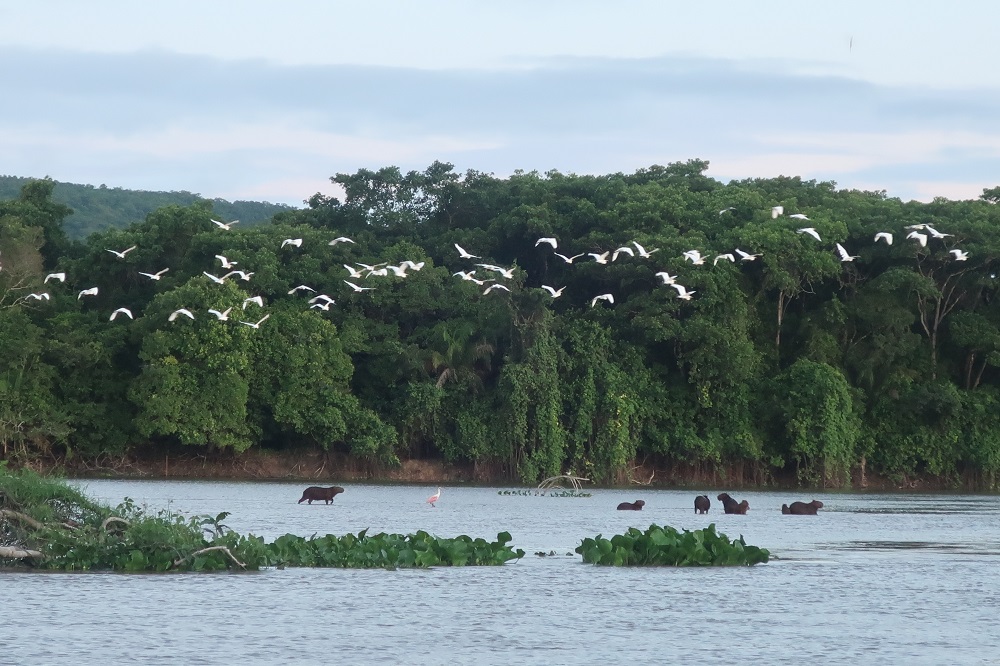
Wetlands are one of the most unique and biodiverse ecosystems of the world. They perform two important functions in relation to climate change, as they store carbon and therefore help mitigate climate change. Wetlands also absorb abundant water and this way play a role in adapting to changing rainfall patterns. Despite this vital role in keeping the world's climate and the region's water levels in balance, wetlands are being gravely threatened by environmental degradation through human activity. And it is important to note that in the La Plata Basin, many of these threats can be directly linked to impacts caused by Dutch government policies, Dutch companies and Dutch consumers.
Dutch policy threatens the Pantanal
The Netherlands, being Europe's top importer of soy beans from South America, contributes to the ever-expanding agricultural frontier into the fragile and unique ecosystems of wetlands of Argentina, Brazil, Paraguay and Bolivia. This frontier does not only expand through slash and burn tactics of expanding fields, but also through a growing network of infrastructure projects - countless ports, roads, small and large dams - needed to transport the soy beans to the import markets. This infrastructure further exacerbates the already rampant destruction of precious river systems and natural wonders such as the Pantanal wetlands.
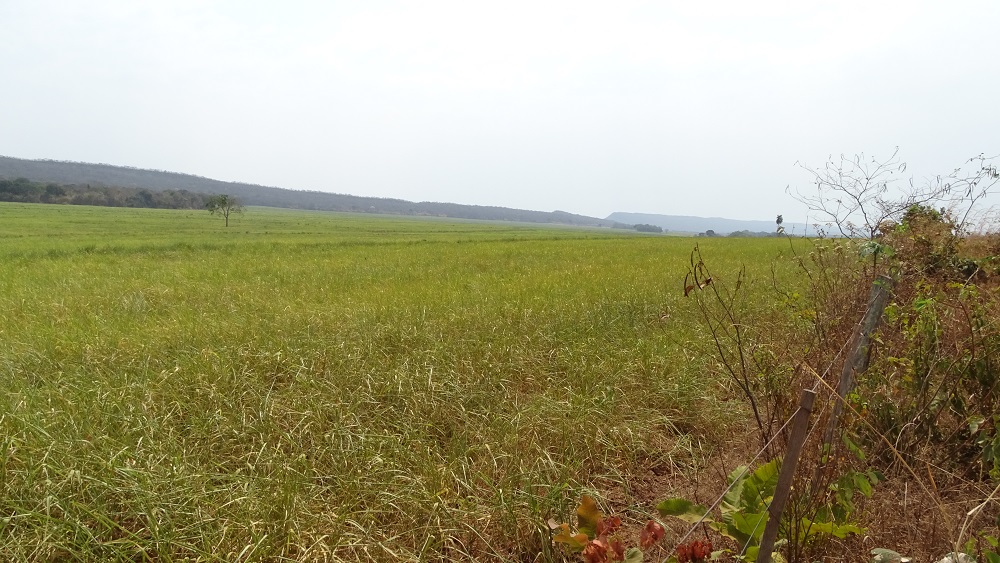
Additionally, climate change is already increasingly manifesting itself in the La Plata Basin. Last year, the water levels of the Parana river were the lowest in almost eighty years. This is due to the extreme drought and dwindling rainfall upstream in Brazil. Experts mention that wetlands degradation, hydroelectric dams, and deforestation on top of the climate crisis, have worsened the drought that began in 2019. Two years ago, the extreme drought and slash and burn that nearly 30% of the unique Pantanal wetland area was destroyed in completely unprecedented series of wildfires
Local communities protect the wetlands
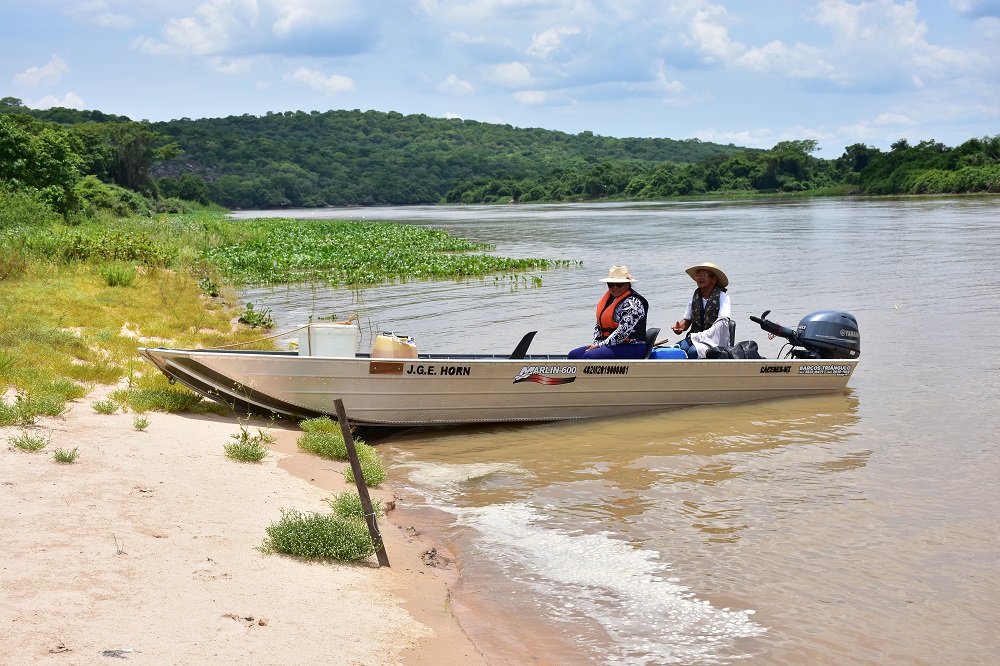
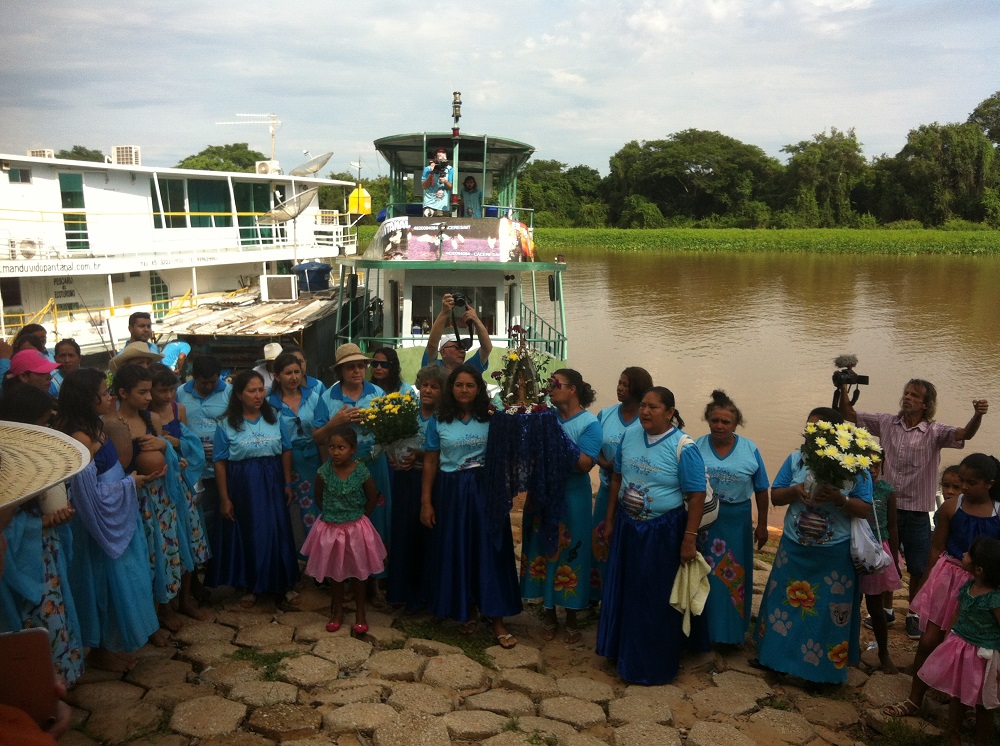
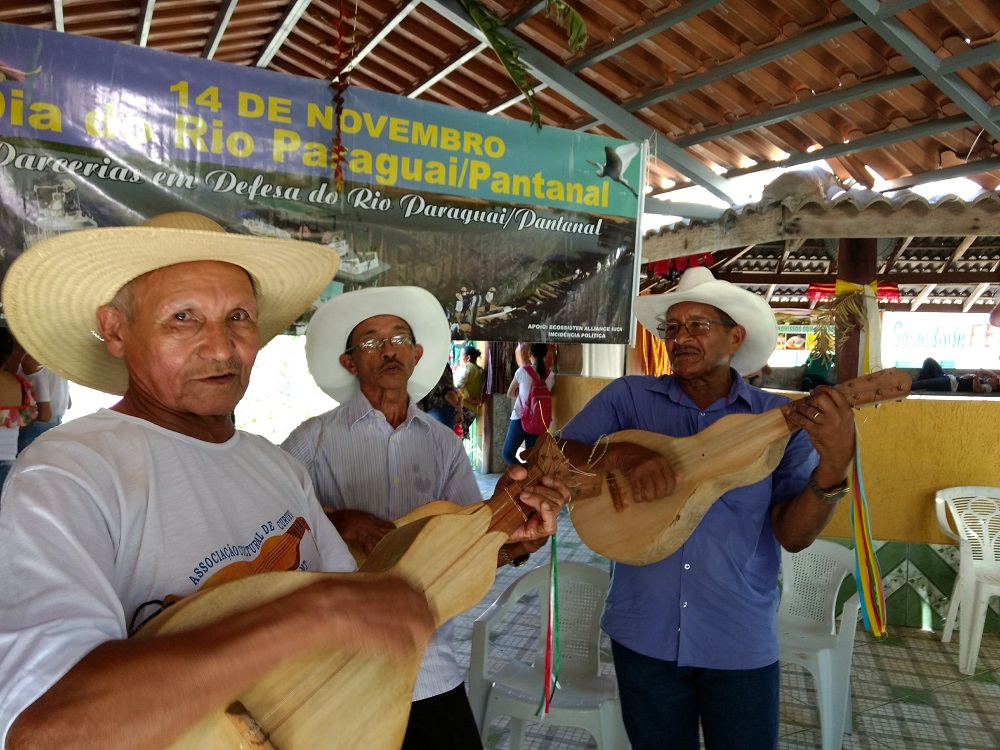
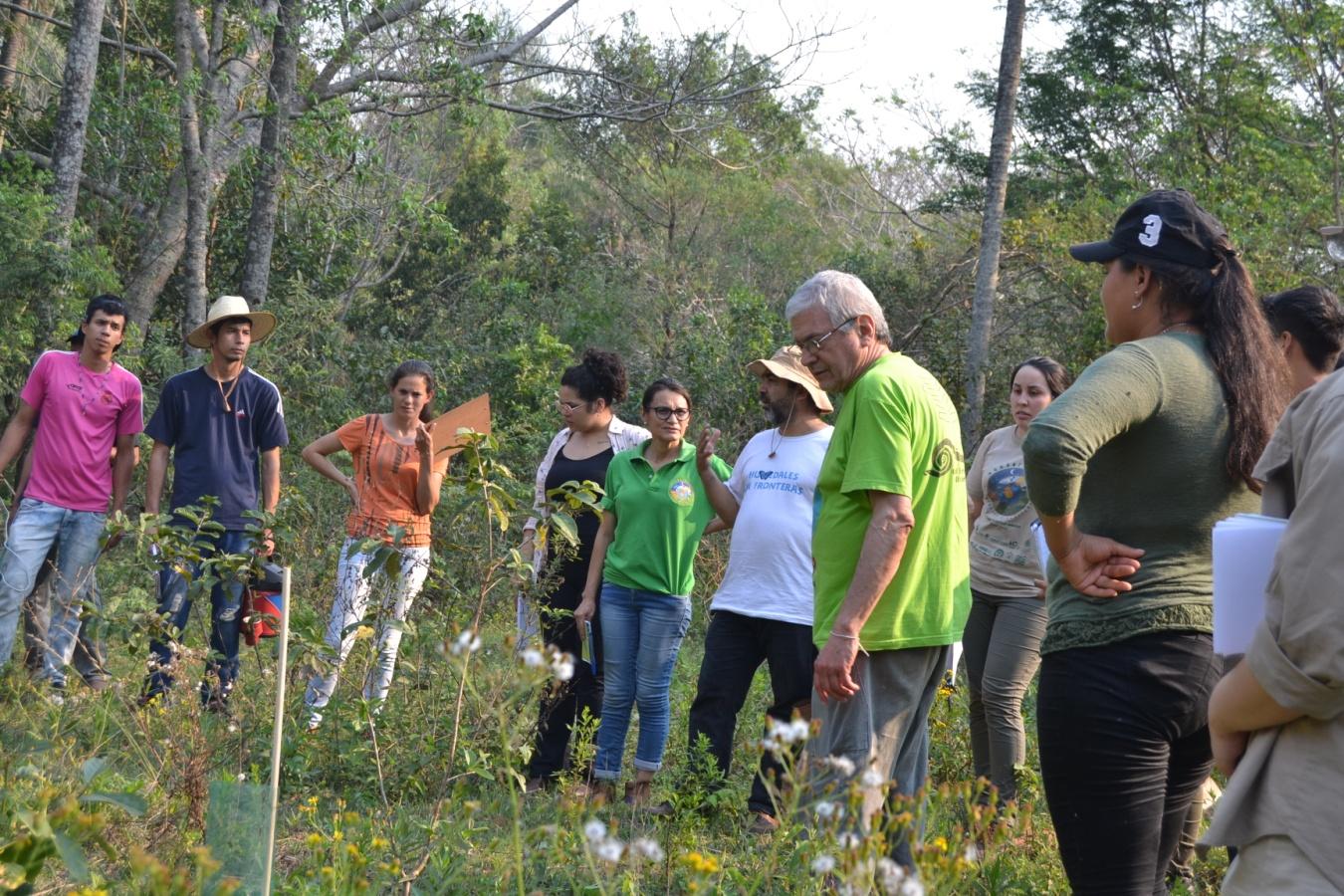
However, many of the regions' communities have not given up the struggle yet . They are fighting not only against the loss of important ecosystems and unique biodiversity, but also against the ensuing loss of local communities' livelihoods through the destruction of valuable fishing areas or tourists spots, as well as the loss of their cultural heritage which is entwined in the health of the rivers and wetlands.
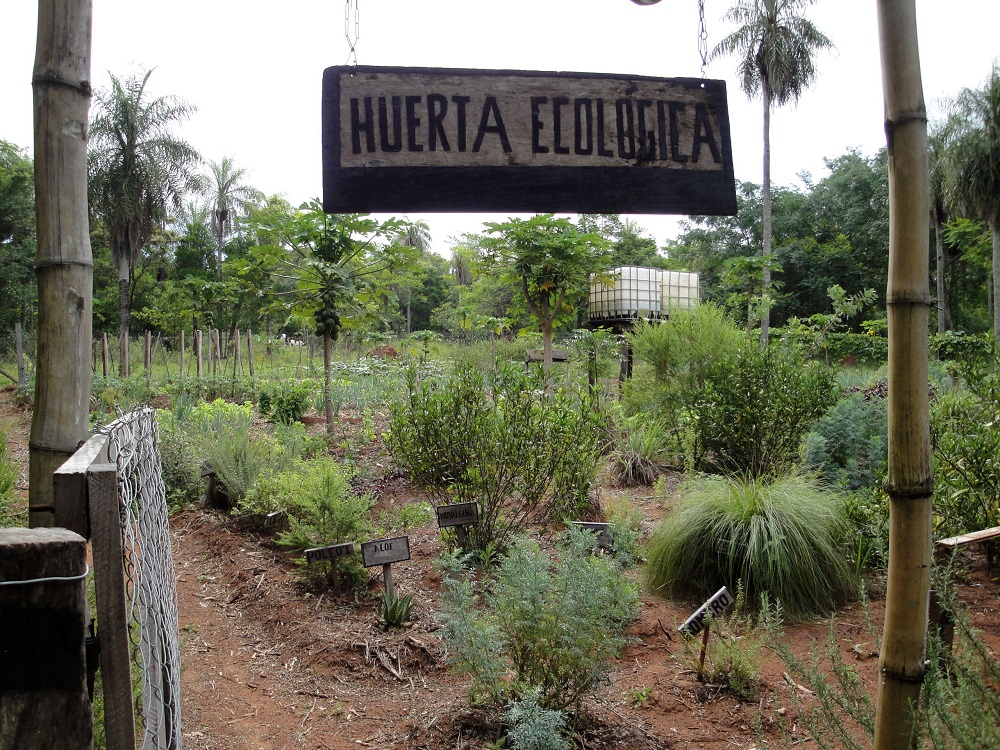
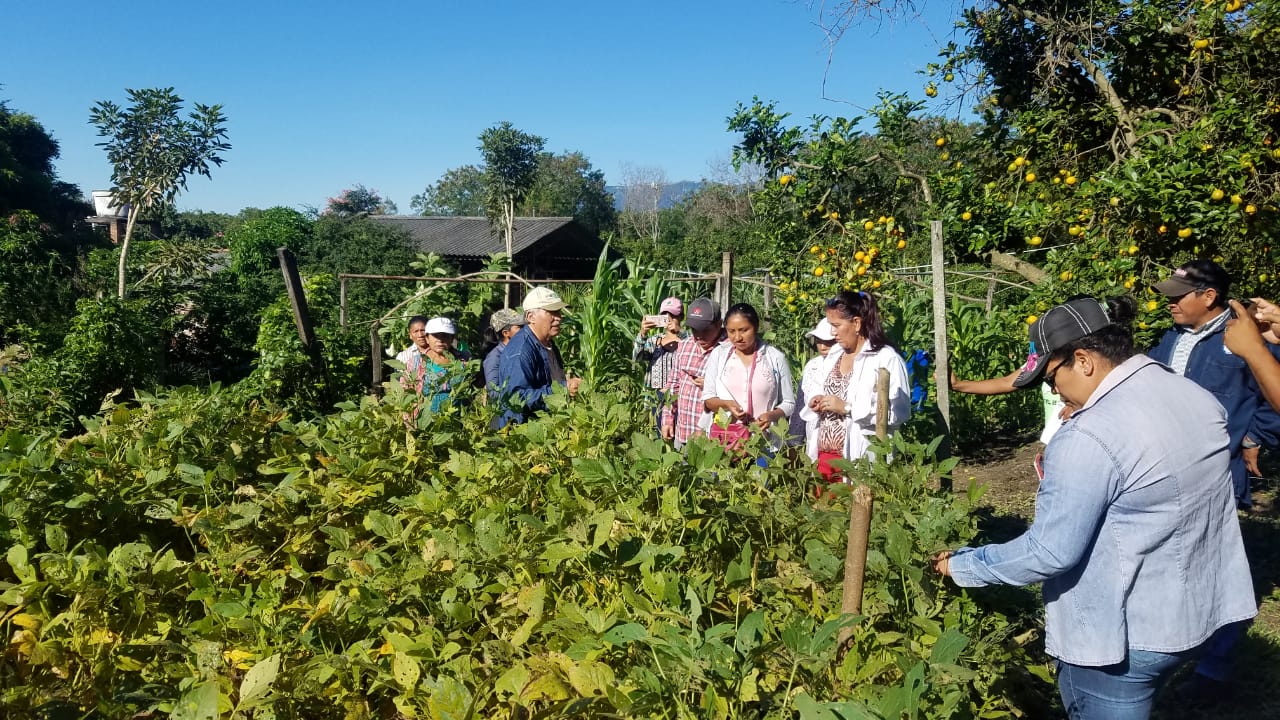
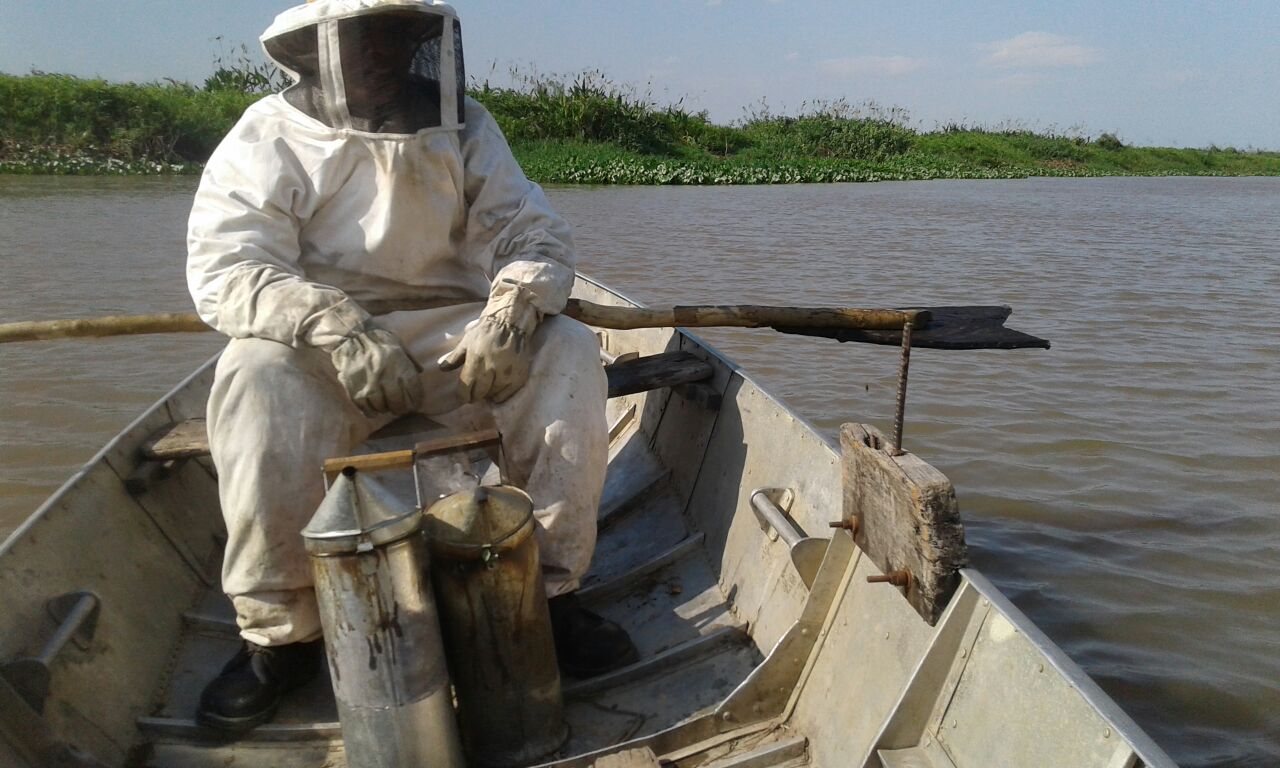
Both ENDS has since 1995 been working together with a coalition of partners towards the goal of protecting the La Plata Basin. Over the past years, in our programme 'Wetlands without Borders' local organisations have mounted political actions for the protection of the ecosystems. But they have also been busy designing methods and practices of livelihood which are in harmony with their natural surrounding. Through embracing new practices specifically adapted to wetlands areas local people are for example supported in developing agro-ecological farms in Bolivia and Brazil, or trained to produce unique 'Wetland honey' in Paraguay. This experience shows that there are plenty of opportunities to mitigate climate change and enhance the ecosystem's adaptive capacities through protection of wetlands without giving up economical or social development.
But their battle against climate change and environmental degradation can not be won in one country or one region alone. The Dutch government has been doing great strides towards climate adaptation in their own country, and it has big ambitions when it comes to supporting other countries in their plans to adapt, such as through the Global Centre on Adaptation based in the Netherlands.
So while the local communities are doing their best to protect some of the world's most vulnerable ecosystems, they and we are asking countries like the Netherlands to do much more when it comes to transforming their ambitions into tangible realities. For example we call on them to play an decisive role in ensuring that the new EU regulation on deforestation is indeed as robust as it can bee. (See statement to be released on February 3rd by civil society actors from all over Europe. )
Click here for the Wetlands Without Borders website and for the latest news of the region.
For more information

Read more about this subject
-
 Dossier /
Soy: trade in deforestation
The rising demand for soy is having negative consequences for people and the environment in South America. Both ENDS reminds Dutch actors in the soy industry of their responsibilities and is working with partners on fair and sustainable alternatives.
-
 Dossier /
Wetlands without Borders
With our Wetlands without Borders program, we work towards environmentally sustainable and socially responsible governance of the wetlands system of the La Plata Basin in South America.
-
 Dossier /
Global Alliance for Green and Gender Action (GAGGA)
GAGGA rallies the collective power of the women's rights and environmental justice movements to realize a world where women can and do access their rights to water, food security, and a clean, healthy and safe environment.
-
 Dossier /
Finance for agroecology
The lion's share of public budgets for climate, agriculture and development still goes to conventional agroindustrial projects that contribute to the current climate, food and biodiversity crises. Both ENDS and our partners are calling for a transition to agroecological practices that are people- and environment-friendly.
-
 Dossier /
Rights for People, Rules for Corporations – Stop ISDS!
Indigenous communities in Paraguay saw their attempts to regain their ancestral lands thwarted by German investors. In Indonesia, US-based mining companies succeeded to roll back new laws that were meant to boost the country’s economic development and protect its forests. This is the level of impact that investment treaties can have on social, environmental and economic development and rights. Why? Because of the ‘Investor-to-State Dispute Settlement’ clauses that are included in many such treaties.
-
 News / 24 maart 2026
Statement: Invest in local leadership for tropical forest management and local economies
IUCN-NL, Both ENDS, and 16 other Dutch and international civil society organizations (CSOs), networks, and expert groups are calling on the Dutch government to invest more strongly in locally led forest management and forest-based economies. This should be done within the framework of Dutch international cooperation and its associated policy instruments.
-
 News / 17 februari 2026
Civic space at the frontlines: "Build strong coalitions and counter repressive regimes"
Today, we look back on an inspiring event Civic space at the frontlines -
Environmental Defenders and the Role of International Trade and Investment Policy. The panel exist of Michel Forst, UN Special Rapporteur Environmental Defenders under the Aarhus Convention, Suzanne Kröger, Member of Parliament for GroenLinks–PvdA, Dr. Margit van Wessel, Associate Professor at Wageningen University, Anne de Jonghe, policy advisor at Both ENDS, and Jonila Castro, national spokesperson for Kalikasan People's Network for the Environment. With an audience of CSO experts, academics, accountability experts and students we discussed the effects of Dutch economic activity on Environmental Defenders, and what we all can do to support those on the front lines of the fight for the environment and human rights. -
News / 2 februari 2026
Response to the D66-VVD-CDA coalition agreement
Coalition: Repair the damage and dare to go further
At Both ENDS, we see a number of cautious steps in the right direction in this coalition agreement. There is a slight emphasis on green issues, renewed attention to women's rights, recognition of the importance of civil society, and discussion of trade agreements with a focus on mutual interests. However, without structural change in how we trade, invest, and cooperate, fine words remain empty shells.
-
 Dossier /
Seeking justice for the affected communities of Vale’s mining disasters in Mariana and Brumadinho
In 2015 and 2019, the Brazilian state of Minas Gerais experienced two severe mining tragedies in Mariana and Brumadinho, due to the same mining company: Vale. Since then, the affected communities have been seeking justice, via the criminal punishment of the responsible parties, and a fair compensation for the loss of their loved ones, their homes and their livelihoods. Both ENDS supports local CSOs by amplifying their quest for justice within an international audience and, more specifically, by raising awareness amongst Dutch investors in Vale about the high risks this company’s activities pose for people and the environment.
-
 News / 2 februari 2026
Seven years after Brumadinho: impunity allows Vale’s disasters to continue
Seven years ago, the dam owned by mining company Vale collapsed in Brumadinho, Brazil, killing 272 people and severely polluting the surrounding area. While the relatives of the victims commemorate them and fight for justice, the pollution continues.
-
 Blog / 25 november 2025
COP30 shows why dismantling ISDS is essential for real climate action
Standing in Belém during COP30, I felt the weight of the moment. We came to the Amazon hoping for decisive progress on phasing out fossil fuels, yet the final outcome fell far short of the ambition science and justice demand. The agreement brought welcome commitments on adaptation finance and global indicators, but it refused to confront the structural forces that make climate action so difficult.
-
 News / 5 november 2025
Interview: Both ENDS at COP30 for Climate Justice and Systemic Change
Both ENDS is present at COP30 to advocate for genuine access to climate finance for locally led, gender-just climate solutions and the mechanisms that facilitate this, including those for farmer-led restoration. Furthermore, the organisation participates to ensure the crucial connection between the climate negotiations and the trade and investment frameworks that shape them.
Learn more about the Both ENDS team at COP30 below, and find all the activities and side-events in which Both ENDS will participate.
-
 News / 5 november 2025
Overview of Both ENDS events at COP30 in Belem, Brazil
Both ENDS is present at COP30 to advocate for genuine access to climate finance for locally led, gender-just climate solutions, and for the mechanisms that make these possible, including those supporting farmer-led restoration. The organisation also engages to highlight the crucial connection between climate negotiations and the trade and investment frameworks that shape them.
Below is an overview of the Both ENDS team at COP30 and a detailed look at the activities and side-events in which Both ENDS will participate.
-
 News / 9 september 2025
Simplification Must Not Mean Weakening: Why the EUDR and other Environmental Legislation Must Stay Strong
Both ENDS warns that the current debate on “simplification” of EU environmental law must not become an excuse to weaken or postpone urgently needed safeguards. In earlier contributions to the drafting of the EU Deforestation Regulation (EUDR), Both ENDS relayed the voices of local and Indigenous forest-dependent peoples, who consistently urged the EU to take responsibility for the massive deforestation linked to European imports. They underlined how this deforestation destroys biodiversity, undermines climate stability, and erodes their rights, livelihoods and cultures.
-
 Dossier /
Towards a socially and environmentally just energy transition
To address the climate crisis we need to urgently transition away from fossil fuels towards clean, renewable energy. However, this transition is not only about changing energy sources. It requires an inclusive and fair process that tackles systemic inequalities and demanding consumption patterns, prioritizes environmental and social justice, and which does not repeat mistakes from the past.
-
 News / 16 juli 2025
Case Study: Fighting Environmental Transphobia and Social Fragmentation in Brazil
In the face of environmental transphobia, a form of discrimination where trans and gender-diverse communities are disproportionately impacted by environmental degradation,excluded from climate policies, and often met with stigma and exclusion by environmental justice movements, Grupo Orgulho, Liberdade e Dignidade (GOLD) has emerged as a bold and visionary force for change in Brazil. At the heart of this movement is Débora Sabará ,GOLD’s leader, a travesti activist who has fought tirelessly to place the perspectives andneeds of LGBTIQAPN+ (Lesbian, Gay, Bisexual, Trans, Intersex, Queer, Asexual, Pansexual, Nonbinary and other identities), Indigenous and Afro-Brazilian communities at the center of environmental justice conversations.
-
 Dossier /
Fair Green and Global Alliance (FGG)
Together with civil society organisations from all over the world, the Fair Green and Global (FGG) Alliance aims for socially just, inclusive and environmentally sustainable societies in the Netherlands and the Global South.
-
 Blog / 31 maart 2025
International cooperation and solidarity are in the interest of both the Netherlands and Africa
Traditional development aid keeps Africa in a state of aid dependency, but development cooperation is essential to break this post-colonial dependency, argues Melvin van der Veen in response to an interview in NRC Handelsblad with the Cameroonian economist Célestin Monga. By breaking off this cooperation on the basis of equality, we are actually stifling the voices of African civil society organisations, indigenous communities, youth and women's movements and human rights defenders, and we are not solving global problems.
-
 News / 18 maart 2025
Abuses surrounding TotalEnergies‘ LNG project in Mozambique are piling up; Dutch support irresponsible
On Friday 14 March, the French Public Prosecutor's Office announced that it would launch an official investigation into TotalEnergies’ involvement in involuntary manslaughter during the attacks on Palma, the location of their LNG project. This umpteenth abuse makes it clear that the Netherlands cannot in any way provide public support for this project.
-
 News / 4 maart 2025
Feminist March 2025: let's take to the streets for gender justice
Women's rights are under pressure worldwide, and hard-fought rights and freedoms are being dismantled. Whereas until recently the Netherlands was a champion of emancipation, women's rights and gender justice, the current cabinet is breaking with this policy and abandoning millions of women and girls. That is why Both ENDS, together with many other allies, will be taking to the streets on 8 March. It is time to make a strong stand against the dismantling of gender policy and to stand up for gender equality and social justice.