Both ENDS




Almost two-thirds of the export credit insurances that Atradius DSB provided in the 2012-2018 period went to the fossil energy sector. That is contrary to the climate agreements that the Netherlands signed in Paris.
This joint position launched by 175 civil society organisations from 45 countries calls on world leaders to end OECD export finance for oil and gas, and explains how it can be done.

Today, a letter, undersigned by almost 60 organisations from countries that face the consequences of fossil fuel projects or stand in solidarity, has been sent to the Dutch Members of Parliament. This Thursday, a debate about the export credit facility and the policies around it, will take place in the Dutch Parliament. The coalition calls upon Dutch politicians and policy makers to stand up against any form of export support for fossil fuel projects that are to be executed by Dutch companies abroad, expecially in the global South.
In October 2022, the Dutch government published a policy to implement the COP26 statement in which it promised to stop public finance for fossil fuel projects abroad by the end of 2022 . The proposed policy, unfortunately, has quite some 'loopholes' that make it possible for the Dutch government to keep supporting large fossil projects abroad for at least another year. These projects often run for years and will have a negative impact on the countries where they take place for decades to come.

This op-ed was published in Dutch newspaper Trouw on the 3rd of February this year
Abuses committed during the construction of an airport in the Philippines show the urgent need for legislation on corporate social responsibility here in the Netherlands, say Murtah Shannon of Both ENDS and Maartje Hilterman of IUCN NL on behalf of a coalition of Dutch and Philippine organisations.

(This interview was published on January 18th in Inside Philantrophy)
Most people in philanthropy don't enter the sector because they have dreams of working in a financial institution. But that's exactly what they're doing. The philanthropic sector as we know it today was deliberately designed by the robber barons of the early 19th century as a response to extreme wealth inequality they created through exploitative labor practices in the oil, steel and shipping industries. Whether to genuinely make amends for the harms they created or to engage in reputation washing, the industrialists cornered the market on philanthropy, guarding against legal challenges to its tax shelter functionality and curtailing regulatory legislation that could induce democratic decision-making. Today, the value of philanthropy stands at about $2.3 trillion, which is 3% of the global economy.

With pain in our hearts we say farewell to Irene Dankelman. She was pioneer in the field of gender and environment and one of the founders of Both ENDS.
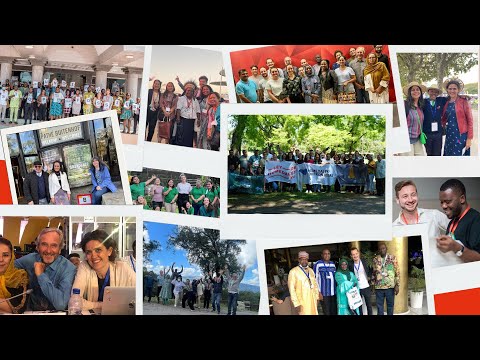
At Both ENDS, we were happy to finally be able to meet many of our partners again in 2022. Although digital meetings are here to stay, they will never beat a live encounter every once in a while where we get to know each other's contexts, learn from each other and motivate and inspire one another.
But be it live or online, together we will work towards a green, just and healthy 2023!
In October this year, the Dutch government published a policy to implement the COP26 statement in which it promised to stop public finance for fossil fuel projects abroad by the end of 2022 . In spite of this pledge, the Netherlands is considering granting an export credit insurance to a floating production storage and offloading (FPSO) vessel that will be used to produce oil and fossil gas in Brazil for a period of 30 years.