




Fires in the Paraná Delta show urgent need for a Wetlands Law
In Argentina, the wetlands of the Paraná Delta are burning. The fires, caused by human activity and aggrevated by climate change, clearly show the wetlands need protection. The Argentinian organisations that form part of the Wetlands without Borders programme are therefore calling for a strong "Ley de Humedales", a Wetlands Law.
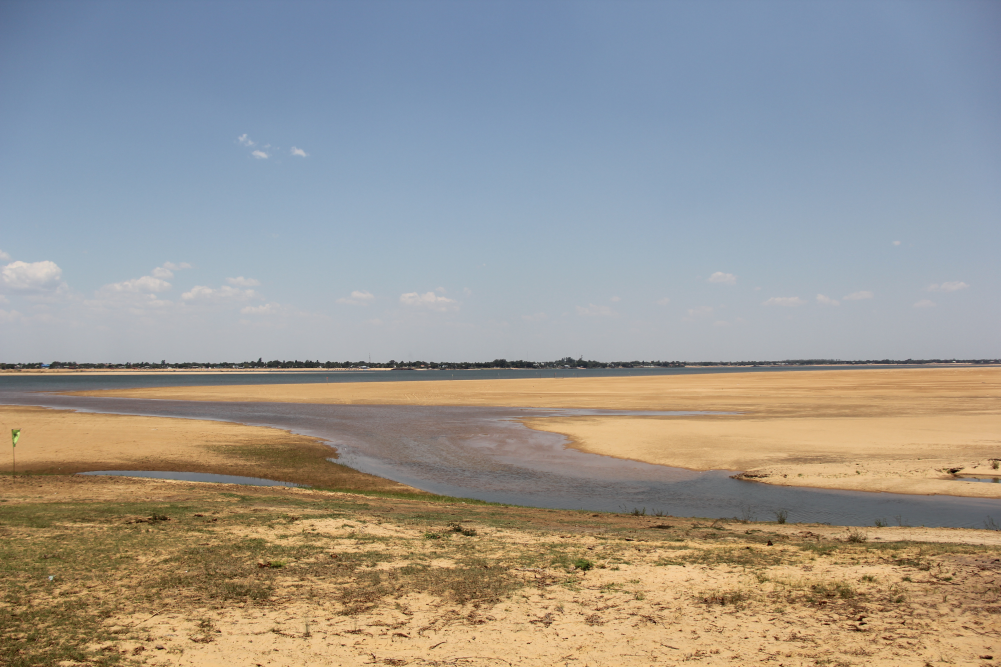
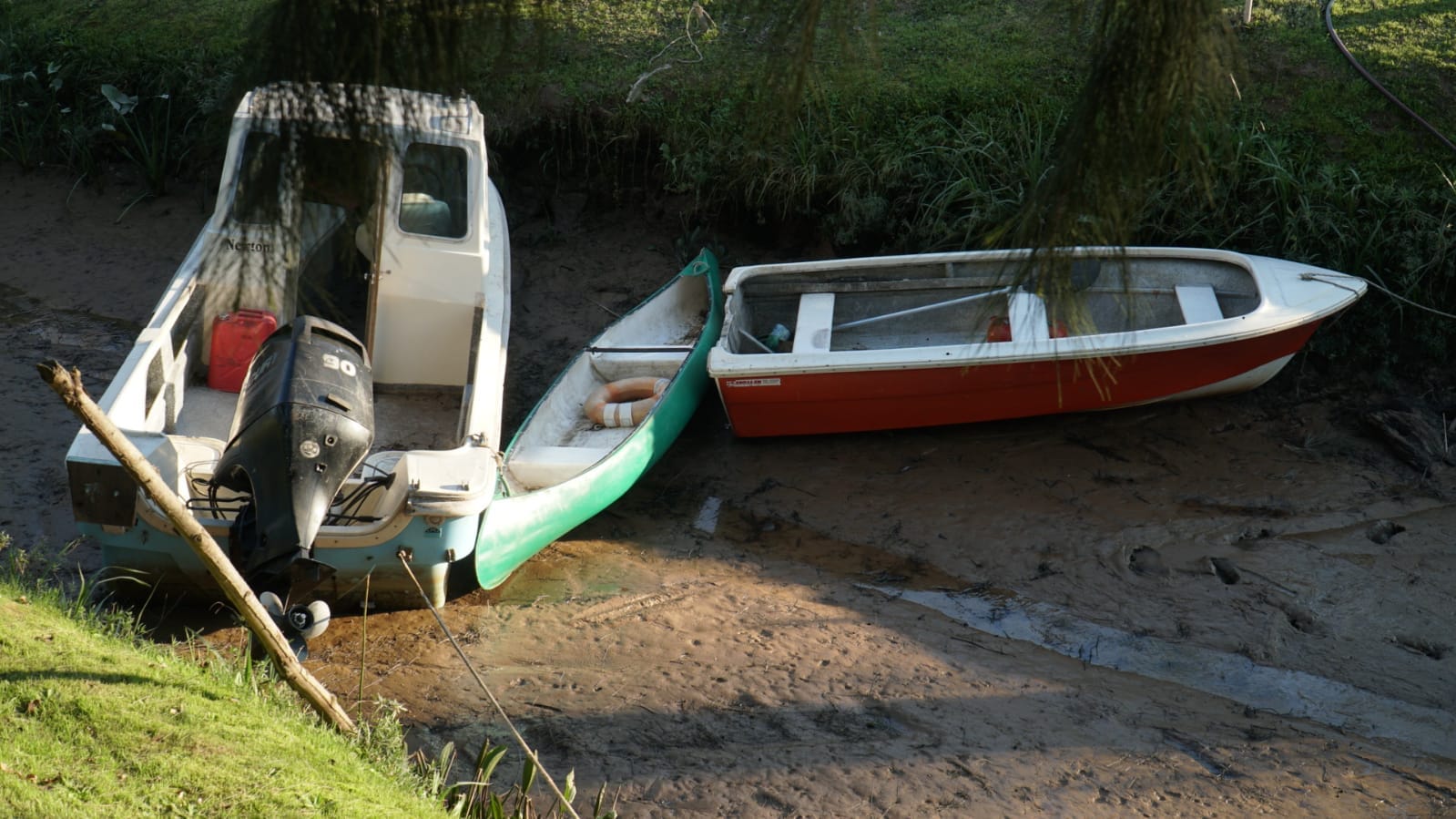
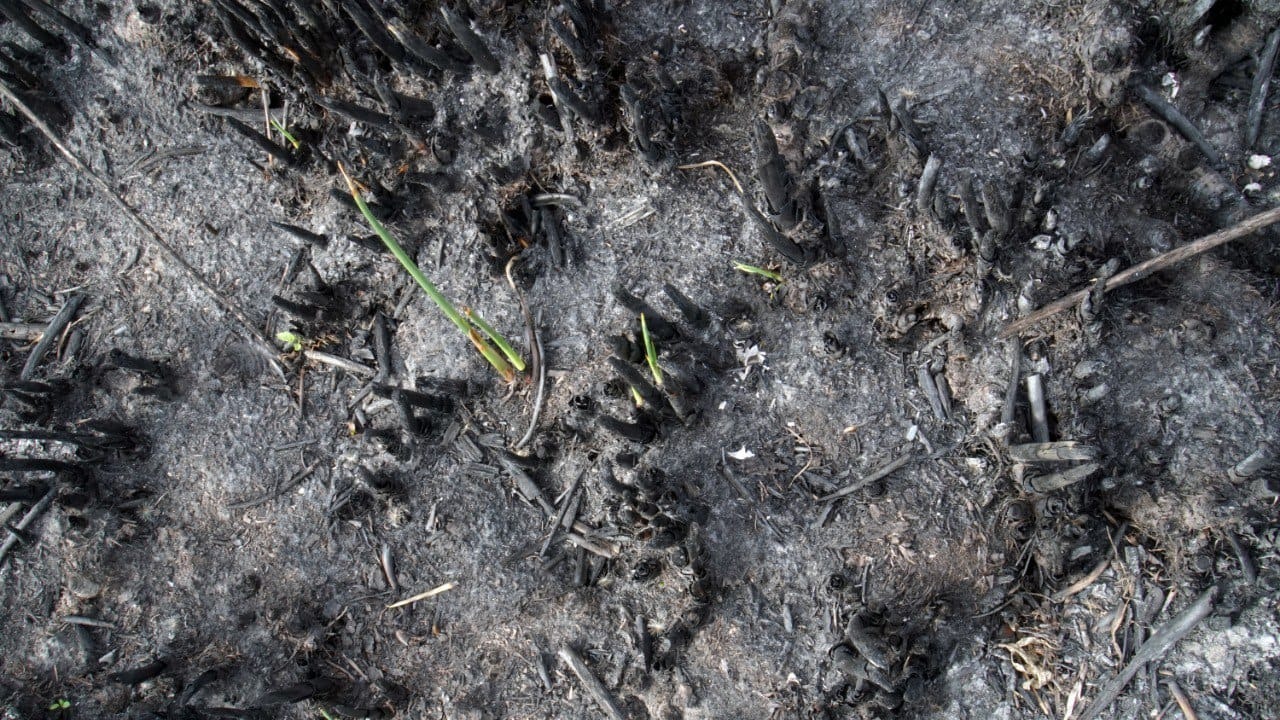
For three years in a row, the region experiences severe drought and the water level of the Paraná river is extreme low. In this context, the fires in the wetlands could increase dramatically: more than 700.000 ha in 2020 and 2021, and over the course of 2022 almost 200.000 ha have burned down.
Fires are not a natural phenomenon in the Delta. According to data of the Argentinian Ministry of Environment, 95% of the fires are caused by human activities, like clearing the land for cattle or for real estate developments. But although most of the fires are preventable, no real preventive measures have been taken and government efforts focus mainly on fighting the fires instead of fighting the underlying causes.
Ley de Humedales
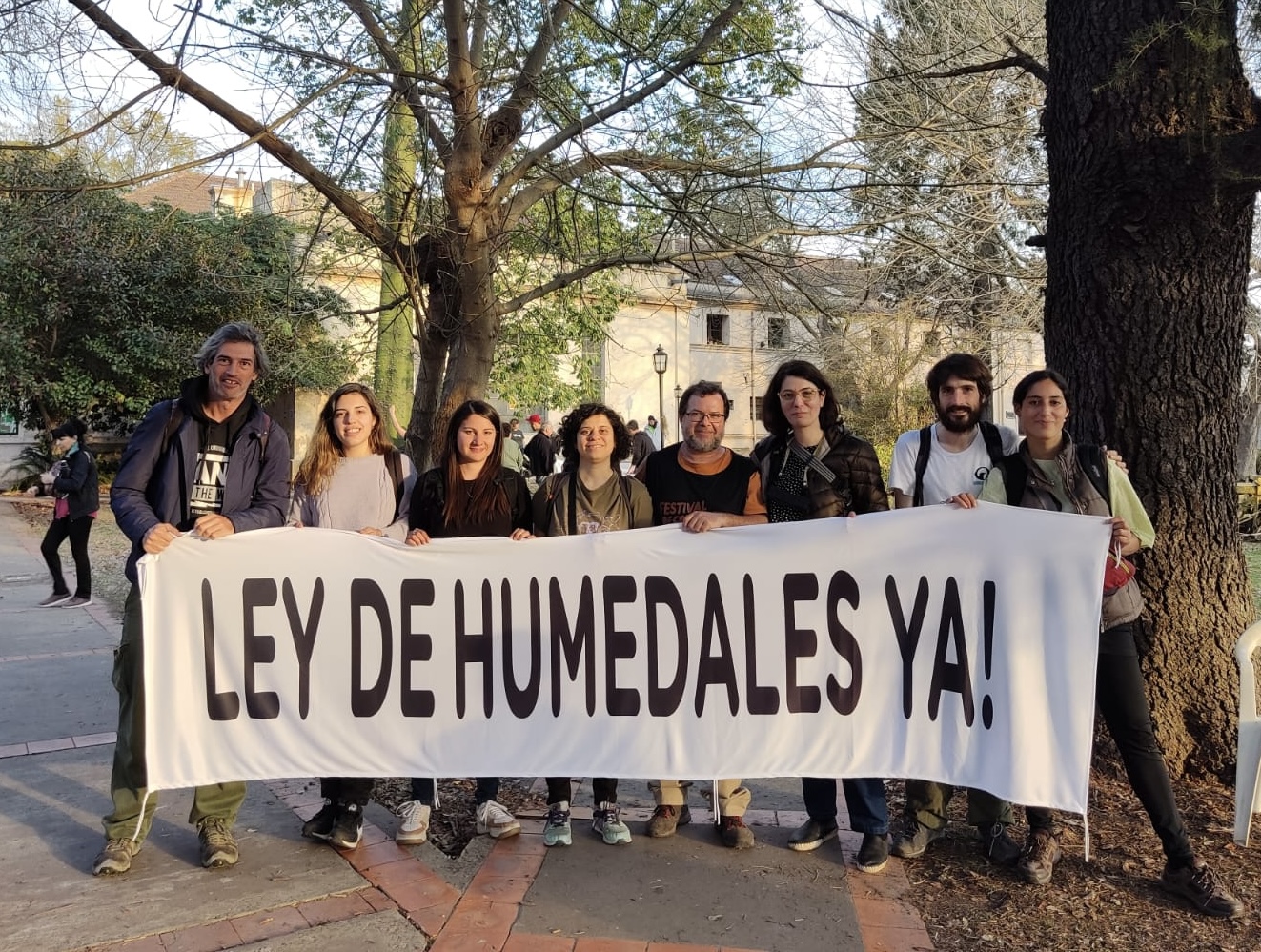
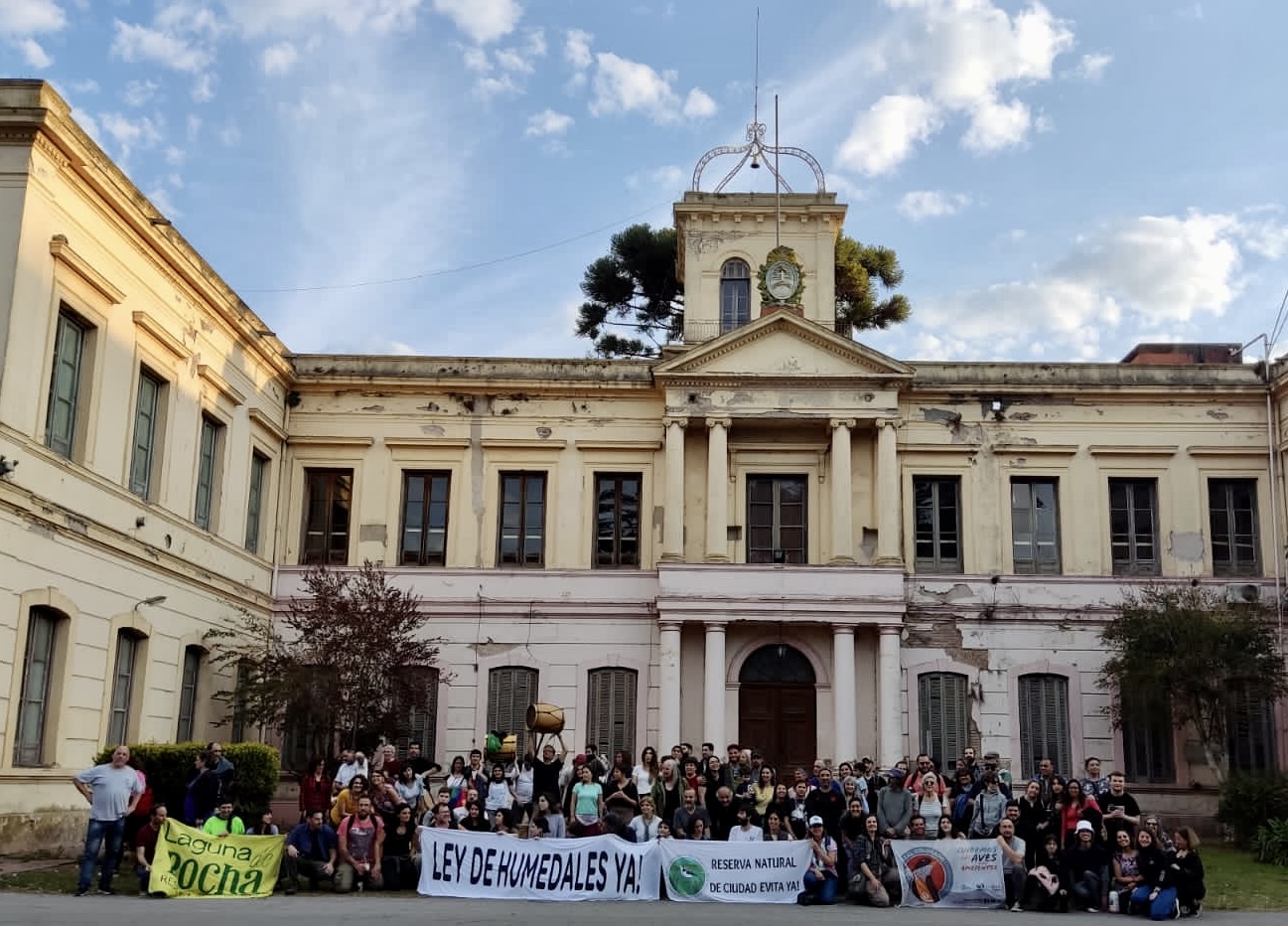
The Argentinian civil society organisations from the Wetlands without Borders network (Casa Rio, CAUCE, FARN and Taller Ecologista) have been calling for a Wetlands Law for years already. This law should secure the conservation and respectful use of the country's wetlands, for which it is needed that the areas that are considered to be wetlands are defined, that a budget is assigned to their protection, that the local communities that live in the wetlands are consulted in decision-making and that a gender perspective is included.
With their campaign #LeyDeHumedalesYA! (Wetlands Law NOW!) they collected already more than 750.000 signatures that back their asks. But although it has been on the agenda of parliament several times, the law still has not passed congress.
Statement and actions by civil society
In a joint statement, the 4 organisations are now again calling for the Wetlands Law and for the implementation of the PIECAS-DP (Comprehensive Strategic Plan for Conservation and Sustainable Use in the Paraná Delta), a plan that exists for almost 15 years. Both the Wetlands Law and the PIECAS-DP have broad support amongst civil society organisations and if implemented, would prevent such out-of-control fires in the Paraná Delta in the future.
On the 3rd and 4th of September, civil society throughout the whole country will organise actions to loudly ask for the Wetlands Law again.
For more information

Read more about this subject
-
 Dossier /
Wetlands without Borders
With our Wetlands without Borders program, we work towards environmentally sustainable and socially responsible governance of the wetlands system of the La Plata Basin in South America.
-
 Environmentally Just Practice /
A Negotiated Approach for Inclusive Water Governance
A Negotiated Approach envisages the meaningful and long-term participation of communities in all aspects of managing the water and other natural resources on which their lives depend. It seeks to achieve healthy ecosystems and equitable sharing of benefits among all stakeholders within a river basin. This inclusive way of working is an essential precondition for the Transformative Practices that are promoted by Both ENDS and partners.
-
 News / 23 October 2025
TotalEnergies financiers beware: EACOP is eating up money, nature and livelihoods
A new analysis shows that the developers of the East African Crude Oil Pipeline, led by France’s TotalEnergies, are being forced to self-finance the project almost entirely. The analysis, part of a new Finance Risk Updatefrom a coalition of African and International civil society organisations, shows that the companies have abandoned plans to raise 60% of the project’s growing costs from bank loans, and are now on the hook for almost 90% of the costs themselves.
-
 Dossier /
Soy: trade in deforestation
The rising demand for soy is having negative consequences for people and the environment in South America. Both ENDS reminds Dutch actors in the soy industry of their responsibilities and is working with partners on fair and sustainable alternatives.
-
 Dossier /
Towards a socially and environmentally just energy transition
To address the climate crisis we need to urgently transition away from fossil fuels towards clean, renewable energy. However, this transition is not only about changing energy sources. It requires an inclusive and fair process that tackles systemic inequalities and demanding consumption patterns, prioritizes environmental and social justice, and which does not repeat mistakes from the past.
-
Publication / 1 July 2025
-
Letter / 15 April 2025
African civil society urges Oman against EACOP support as east Africa trade expo kicks off
Just one day before the Oman East Africa Trade and Investment
Expo opens in Muscat on April 16, over 70 civil society organisations (CSOs) from Uganda, Tanzania, the Democratic Republic of Congo, and beyond have published an open letter urging the Government of Oman to refrain from providing financial or diplomatic support for the controversial East African Crude Oil Pipeline (EACOP). -
 Blog / 28 January 2025
Sinking promises in Manila
Yesterday, Global Witness published a new report, "Sunk Costs" - in which I had a modest role to play - that comes up with new facts about the disastrous New Manila International Airport project in the Philippines, for which the Dutch dredging multinational Boskalis received Dutch export credit insurance (ekv) of €1.5 billion.
-
 Video / 17 December 2024
"Change takes time" - on the importance of long-term support for Wetlands without Borders
In this video, Tamara Mohr of Both ENDS talks about our role in supporting the Wetlands without Borders network: "We send funding to smaller organizations, that also work to distribute it to more local organizations. We see in the Wetlands network that this does work, and that organizations also grow this way."
-
 News / 6 December 2024
South American Forest Fires Highlight Effects of Delaying EU Deforestation Law
On the 4th of December, the European Parliament voted in majority for a delay of implementation of the EU Deforestation Regulation (EUDR). Earlier, the European Commission and the European Council already endorsed this proposal for a delay with one year. Both ENDS and partners are worried about this decision, as there is no time to waste in our global fight against deforestation, biodiversity loss and climate change.
-
 News / 2 December 2024
Ten recommendations for the UNCCD COP16 to strengthen its efforts in combating desertification, land degradation, and drought
For decades, our local partner organisations have been developing and promoting effective ways to combat land degradation, desertification, and drought. This includes regions like the drylands, as well as forests, and wetlands. Supporting these locally-led actions is essential to reversing negative trends. For COP16, Drynet has developed 10 recommendations to strengthen the implementation of the UNCCD. Success at COP16 would mean turning these recommendations into action, fostering inclusive land governance and sustainable land management practices globally. By enabling locally-led actions—particularly those led by women, youth, pastoralists, and Indigenous Peoples—we can build a more resilient future.
-
 News / 2 December 2024
Advocating for Local Solutions: Both ENDS at UNCCD COP16 to Champion Sustainable Land Management and Gender Equality
As the United Nations Convention to Combat Desertification (UNCCD) celebrates its 30th anniversary, the global community faces an urgent need to address the escalating challenges of land degradation, desertification and drought. At the forefront of these efforts, Both ENDS has long advocated for inclusive, locally-led solutions to these critical issues. In this interview, Nathalie van Haren and Yordanos Mulder, who will represent Both ENDS at the upcoming UNCCD COP16, share insights into the significance of the conference, the key issues on the agenda, and the crucial role of local communities in shaping effective land governance. They discuss Both ENDS' ongoing work to amplify the voices of marginalised groups and emphasise the importance of sustainable land management practices, particularly those driven by women, youth, and Indigenous Peoples.
-
 News / 2 December 2024
Both ENDS at UNCCD COP16
Since 1994, Both ENDS has been advocating for inclusive governance in addressing desertification, land degradation, and drought, ensuring local communities have a strong voice in global discussions. As a member of Drynet, a network of over 20 civil society organisations, we champion the inclusion of women, youth, and Indigenous Peoples in land governance and highlight the importance of locally-led initiatives. Our work promotes gender equality, agroecology, and sustainable land management. This landing page serves as a comprehensive hub for all information and updates related to the UNCCD COP16 and Both ENDS' efforts to drive positive change. Here, you’ll find key resources, initiatives, and insights into how locally-led solutions can shape the future of land governance and environmental sustainability.
-
 Blog / 19 November 2024
Building Monitoring, Evaluation and Learning systems based on mutual accountability and trust
Just before summer, on June 27th we participated in a panel discussion on inclusive conservation in a learning event organized by WWF Netherlands. Several organizations joined in a discussion on inclusive, decolonial, rights-based, and community-led approaches in conservation. We discussed the barriers, gaps and opportunities in how power is shared, inclusion promoted, and accountability practiced in our work. The question raised was: as Dutch-based organizations, are we doing enough to really work inclusive? In 2023 Both ENDS started an Examination of Power process to research how power is experienced in our partnerships. I share a couple of practical tips and insights that I feel might benefit the greater conversation around Monitoring, Evaluation and Learning (MEL) in our sector.
-
 Event / 15 November 2024, 12:50 - 16:45
#BothENDSatCOP29 Side Events
Both ENDS’ participation at COP29 includes three critical side events that will highlight gender-just climate finance, locally-led adaptation, and multilateral approaches to a just energy transition and industrialisation in the Global South.
-
 News / 9 November 2024
Why is the Dutch climate case against Shell important to our partners in the Global South?
On November 12th, a new ruling will be issued by the Court of Appeal in The Hague in the climate case against Shell, in which Both ENDS is a co-plaintiff. Ahead of this ruling, we asked our partners why this Dutch lawsuit is important for the Global South.
-
 News / 10 October 2024
Argentina’s Matanza-Riachuelo Biocultural Corridor
The Matanza-Riachuelo River, which runs through the city of Buenos Aires, is known to be one of the most polluted waterways in the world. Yet it also contains many important ecosystems that play a key role in the lives of millions of people, and countless plant and animal species.
-
 News / 24 September 2024
Massive Wildfires Ravage South America
“The fires have reached proportions we have never experienced before.”
Large swathes of South America are currently draped in smoke. From Buenos Aires, to São Paulo to Asunción people struggle to breathe due to unprecedented fires raging on the continent, fuelled by extreme drought, the expansion of the agriculture frontier and rising temperatures linked to climate change.
-
 Blog / 29 August 2024
Local action for resilient wetlands and riparian lands of the Athi river basin in Kenya
and Kyra Pohlan
Communities throughout the Athi river basin rely on healthy and resilient semi-aquatic ecosystems, such as riparian and wetland areas, for their well-being and livelihoods. These habitats have become ever more important for local communities in adapting to the effects of climate change, in particular the more frequent and more extreme periods of drought and flooding. By conserving and re-establishing riparian lands and wetlands, groups from the Athi River Community Network do not only protect their immediate environment but also contribute to the well-being of downstream areas.
-
 External link / 2 July 2024

