




Fighting desertification in the Brazilian Sertão
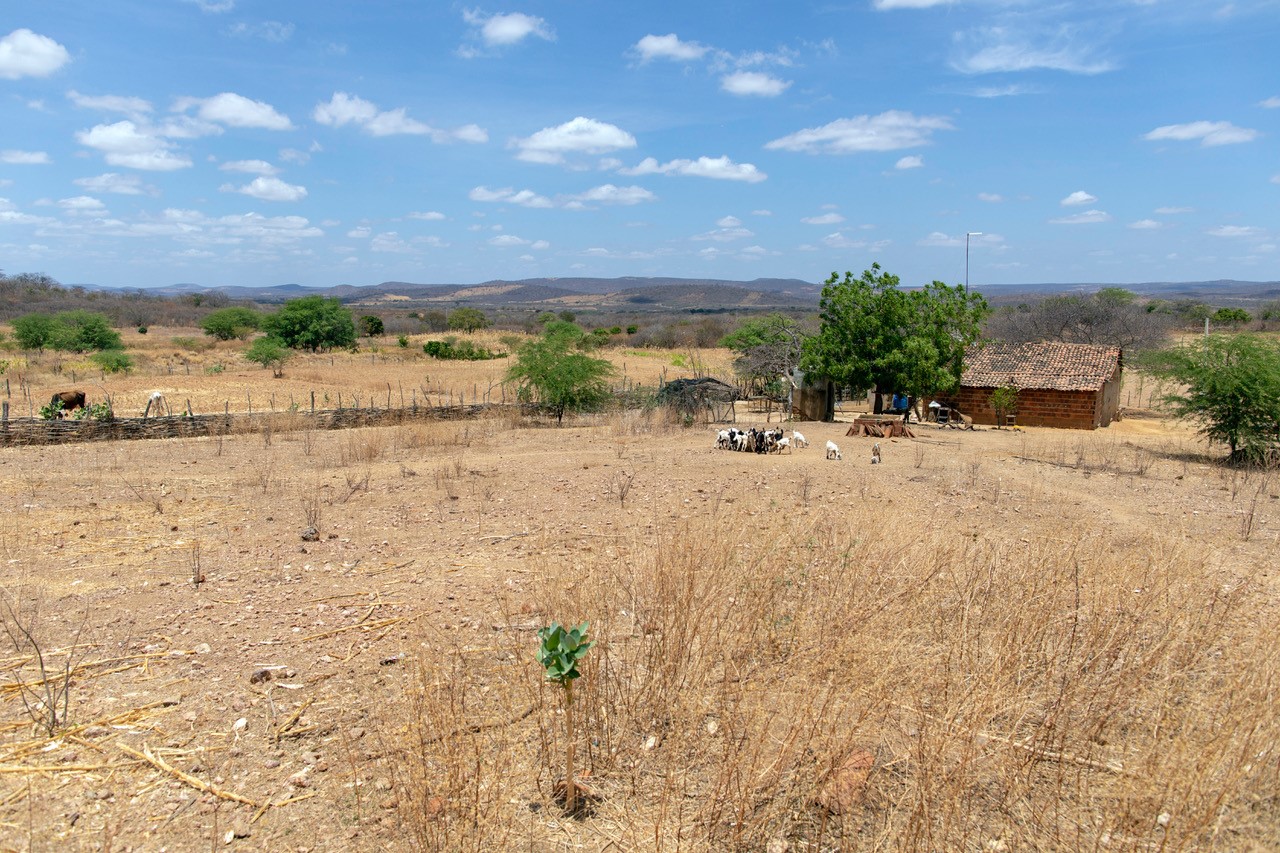
The farmers in the Sertão do Araripe region in Pernambuco state are smart. The small-scale family farmers know that securing a sustainable livelihood on the rich but vulnerable soils of the Sertão is only possible if they take good care of the environment. That means sound agriculture, making the best of every drop of available water, diligent use of natural fertilisers and pest-control and fighting for laws and policies that stimulate conservation rather than exploitation. The organisation CAATINGA helps the farmers to face the challenging conditions.
In 2012, over 135 farming families founded the Association of Agroecological Farmers of the Araripe (ECOARARIPE). Over the years ECOARARIPE grew, and currently over 500 farming families have joined the association. Its main goal is to help its members in the production, processing and marketing of their products and to advocate for policies that allow the farmers to practice sustainable agriculture.
But not only the environment is a challenge. Farmer's livelihoods also face threats from large-scale agribusiness, that are slowly but surely gaining ground, aided by legislation initiated under the conservative Bolsonaro administration. Cattle farmers, for example, face few legal restrictions in monopolising the available water. The argument is that big (agri)business means export and export means money. Likewise, the current Brazilian government does little to mitigate the challenges of climate change. The Sertão is heavily affected by changing climatic conditions.
Biological pest control
For small-scale farmers, the advise of specialised NGOs is important. One of the supporting organisations is CAATINGA (also see our publication "Unlocking Public Finance for Agroecology"). CAATINGA helps the farmers of the Sertão do Araripe to get acquainted with methods for agroecological practices. Paulo Pedro De Carvalho, coordinator of CAATINGA, explains: "We train farmers in soil, water and biodiversity conservation. Techniques to restore degraded lands are tried, evaluated and practised, with emphasis on issues like biological pest control and use of natural protectors. We use, for example, bait plants such as sesame, to control cotton pests. We stimulate the practice of crop rotation, the use of animal traction in soil preparation and crop treatments in order to keep and restore soil health." Results of the soil recovery and the greater biodiversity are that families have increased their productivity and strengthened their financial autonomy.
The support is not just technical. Through CAATINGA the relatively isolated farmers of the Sertão are connected with a national, regional and global network of farmers and specialists in agroecology specifically for semi-arid areas: information is exchanged, good practices are shared. "Operating within a network strengthens the effectiveness of agroecology", says Paulo Pedro De Carvalho. At the international level, CAATINGA is part of the global Drynet network. Drynet members in four continents are operating in ecosystems that are susceptible to land degradation and desertification. Drynet advocates for policies that support sustainable land use and restoration by local communities. Through Drynet, CAATINGA is linked with Both ENDS.
CAATINGA has been successful in providing a way out to the logic of land concentration and agricultural modernisation based upon the use of synthetic pesticides and fertilizers and deforestation. "We support the lobby for access to land and for farmers' participation in policy making."
A matter of survival
'A união faz a força' – unity is strength – farming families in the Araripe say. It is a cliché perhaps, but in the Sertão it is a matter of survival. Working together is the only way to escape poverty and build a dignified life. The farmers share production facilities that enable them to process their crops into products that yield higher prices. And so, during the yearly harvest festival in the region, the members of ECOARARIPE can be seen proudly presenting bottles of ecologically produced sesame oil and other high-quality products produced by the farmers and processed by their collective facilities.
Biodiversity is an important factor in the sustainability of the livelihoods of the family farmers. The preservation of biodiversity lies to a large extent in the hands of the rural families that often have been working their lands for many decades. All households of ECOARARIPE have family seed banks, and most participate in Community Seed Banks that are essential for the conservation of the Creole seeds that pass from generation to generation, increase seed diversity, and help in food and nutritional autonomy and security of families.
ECOARARIPE provides opportunities for farmers to obtain prices that cover the costs of agroecological production and processing. It has contributed to a renewed relationship between producers and consumers in the countryside and cities. And, last but not least, it is fruitful in such a way that it sparked the interest of other farmers to join the initiative.
The Sertão
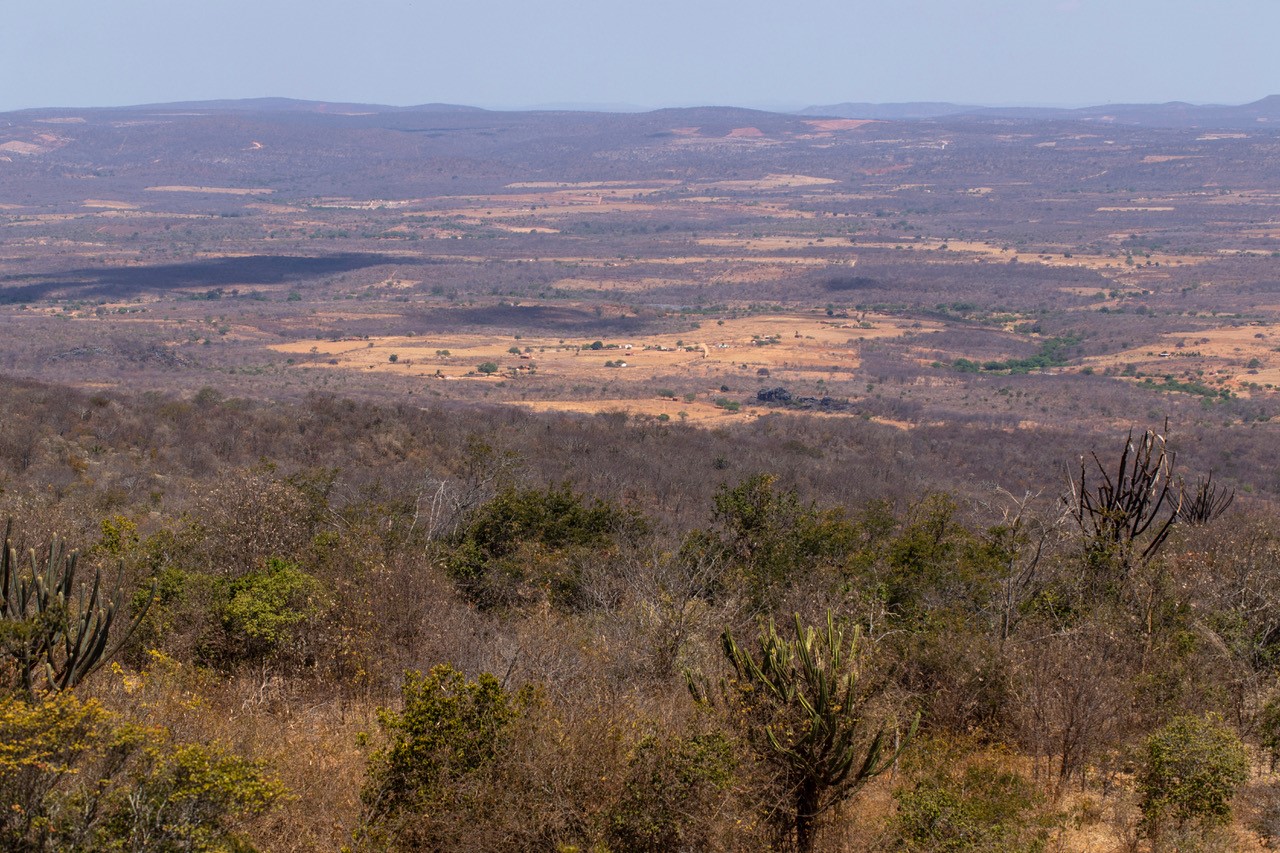
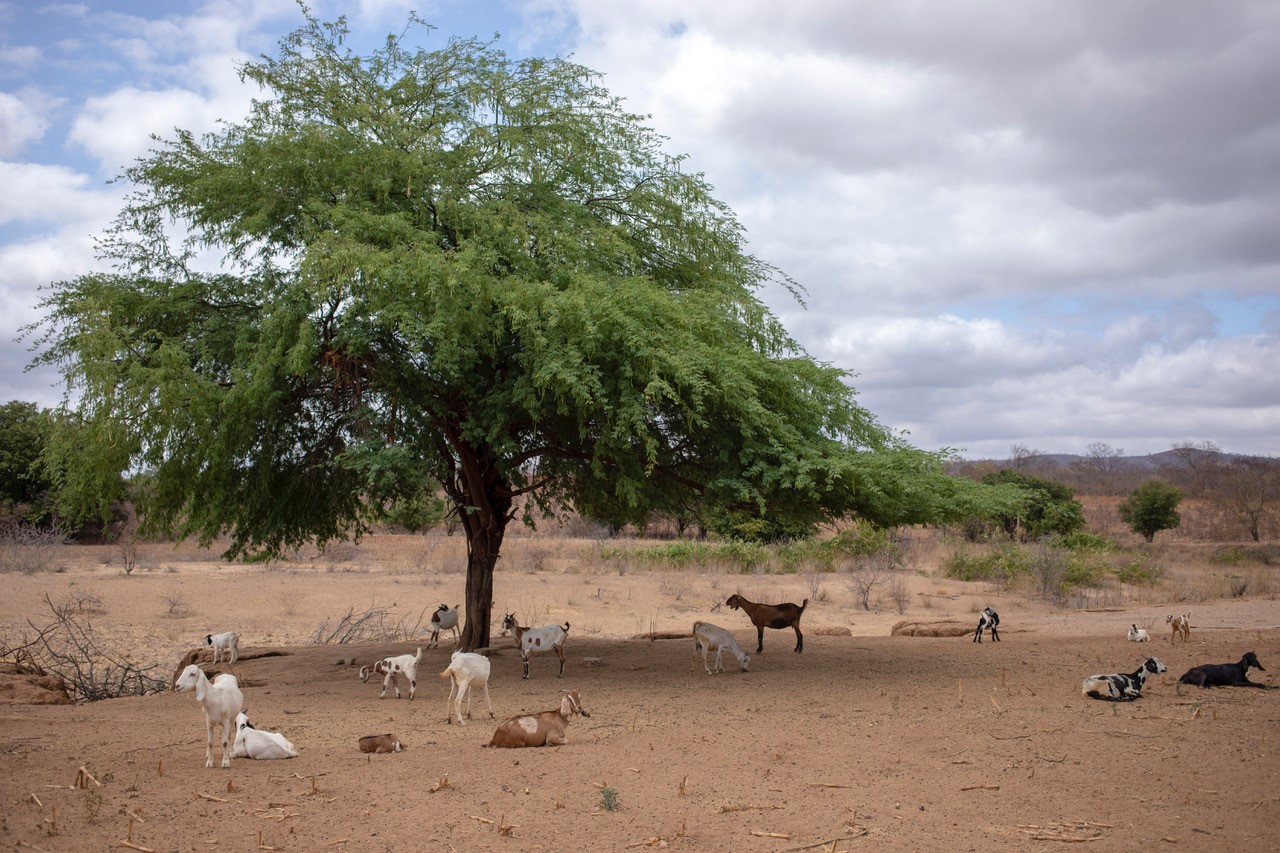
The Sertão is a large, semi-arid region in the Northeast of Brazil. The region, that extends over 9 north-eastern states, is marked by scarce and increasingly unpredictable rainfall and prolonged drought periods that severely hit agriculture. Without smart agriculture a sustainable livelihood in the Sertão is impossible. The soil gets degraded, making the next harvest even more difficult. Hunger is not uncommon in this part of the world.
For more information
Read more about this subject
-
 Environmentally Just Practice /
Agroecology
Agroecology is a diverse set of agricultural practices, a field of science and a social movement. It aims to transform food systems towards greater ecological sustainability, social justice, and resilience. Both ENDS and CSO-partners around the world support farmers and pastoralists practising agroecology, both on the ground and in gathering political and financial support.
-
 Environmentally Just Practice /
A Negotiated Approach for Inclusive Water Governance
A Negotiated Approach envisages the meaningful and long-term participation of communities in all aspects of managing the water and other natural resources on which their lives depend. It seeks to achieve healthy ecosystems and equitable sharing of benefits among all stakeholders within a river basin. This inclusive way of working is an essential precondition for the Transformative Practices that are promoted by Both ENDS and partners.
-
 Dossier /
Communities Regreen the Sahel
In various countries in the Sahel, vast tracts of land have been restored by the local population by nurturing what spontaneously springs from the soil and protecting the sprouts from cattle and hazards.
-
 News / 5 November 2025
Interview: Both ENDS at COP30 for Climate Justice and Systemic Change
Both ENDS is present at COP30 to advocate for genuine access to climate finance for locally led, gender-just climate solutions and the mechanisms that facilitate this, including those for farmer-led restoration. Furthermore, the organisation participates to ensure the crucial connection between the climate negotiations and the trade and investment frameworks that shape them.
Learn more about the Both ENDS team at COP30 below, and find all the activities and side-events in which Both ENDS will participate.
-
Publication / 9 October 2025
-
 Dossier /
International trade and investment with respect for people and planet
The network of international trade and investment treaties is large and complex. The Netherlands alone has signed more than 70 bilateral investment treaties (BITs) and is party to the trade and investment agreements concluded by the EU, like the EU-Mercosur and EU-Indonesia trade deals.
-
 Dossier /
Amplifying environmentally just practices
Because of the close relationship with their living environment, local communities often have the best ideas for the sustainable and equitable use and governance of land, water and forests. These environmentally just practices and processes successfully protect and restore ecosystems and address climate change. They are essential in the light of the multiple crises the world faces, but are in dire need of financial and policy support.
-
 News / 6 October 2025
From Entebbe to Accra: civil society is rewriting the rules of investment
By Fernando Hernández Espino and Bart-Jaap Verbeek
Almost a year after African civil society gathered in Uganda to adopt the Entebbe Declaration, the call to transform international investment governance continues to gain strength. From the 6th to the 9th of October, over 50 civil society organisations from across West Africa, including from Ghana, Senegal, Nigeria, Côte d’Ivoire, Cameroon, Gambia, Sierra Leone, as well as from Kenya and Latin America, are convening in Accra to deepen and operationalise the Declaration’s vision.
-
Publication / 1 July 2025
-
 Environmentally Just Practice /
Analog Forestry
Analog forestry is a transformative approach to the ecological restoration of degraded lands. Natural forests are used as guides to create ecologically sustainable landscapes, which support the social and economical needs of local communities.
-
 News / 9 May 2025
Women’s leadership in agroecology flourishes in Eastern and Southern Africa
On 12 and 13 February 2025, women from Kenya, Uganda, and Zimbabwe gathered in Nairobi for the Africa Women Leaders in Agroecology (AWOLA) Regional Networking Forum. The event marked a significant moment in the leadership programme of PELUM Kenya, which empowers young women in their role as leaders in the agroecological transition. This project was made possible thanks to support from Both ENDS as part of the Fair, Green and Global (FGG) Alliance.
-
 Dossier /
Inclusive ways to sustainable and healthy food for all
All around the world small-scale farmers are using sustainable and inclusive methods to produce food. Working together with nature and each other, they provide their families and communities with sufficient and healthy food. But their production methods are under pressure from large-scale agriculture and the globally dominant system of industrial food production. Together with our partners, Both ENDS is trying to turn the tide in favour of sustainable, local practices that are mostly known as 'agro-ecological' or 'nature-inclusive'. Why are we focusing on these methods? Agro-ecological practices are climate-proof and inclusive and increase the opportunities for communities around the world to produce their food sustainably.
-
 News / 7 April 2025
Food forest Ketelbroek: where food production and biodiversity come together
When Both ENDS-colleagues visit partners, they often go on a "field trip" to see how our joint work affects people and communities. This year, we did the same in the Netherlands. Food forestry pioneer Wouter van Eck demonstrates a group of Both ENDS partners how regenerative agriculture can offer solutions to the climate and biodiversity crises.
-
Publication / 1 April 2025
-
 Blog / 27 March 2025
Fair trade and equal partnerships: only then can Kenya stand on its own
Several media outlets, including de Volkskrant, focused last week on the shift from “aid” to “trade,” partly in response to the state visit of the Dutch royal couple to Kenya. The idea is that it would be beneficial for Kenya to stand on its own two feet. A beautiful ideal—one I whole heartedly believe in. But this ideal can only become a reality if equality is at the heart of trade and international cooperation.
-
 News / 21 March 2025
Dutch Royal couple visits Thogoto Forest: a green oasis on the outskirts of Nairobi
This week, King Willem-Alexander and Queen Máxima visited Thogoto Forest as part of their state visit to Kenya. They were able to see the impact of the work of our partner MCDI in the area: a restored forest, clean water and farmers who can earn a living by selling their agro-ecological products.
-
 News / 23 December 2024
Dare to Trust: RWA Eswatini agroecology centre
In the Kingdom of Eswatini, rural women have been the custodians of local and indigenous seeds and preserving biodiversity for generations. Officially founded in 2011, the Swaziland Rural Women’s Assembly (SRWA) has brought together over 20.000 women across the country to reclaim their traditional knowledge of seed sharing. In the Dare to Trust project, the SRWA has developed a new Agroecology Demonstration Center as a learning facility for rural farmers and produced a seed bank to help the 20.000 seed savers in their community.
-
 News / 19 December 2024
Trading Away the Future: How the EU-Mercosur deal fails people and the planet - and what needs to be done
On December 6, the visit of European Commission President Ursula von der Leyen to the Mercosur Summit sealed the agreement on the final text of the EU-Mercosur Association Agreement. Both ENDS condemns this damaging agreement for undermining human rights, the environment, and democracy in Europe, and in Mercosur countries. Should the agreement be ratified as it stands, it will have devastating consequences for the environment, indigenous communities, family farming and small-scale farmers on both sides of the Atlantic.
-
 Event / 12 December 2024, 13:00 - 14:30
Exploring new avenues of CSO participation in UNCCD processes
Enhancing inclusivity within UNCCD processes and its implementation by strengthening the involvement of civil society organizations (CSOs) and Indigenous Peoples.
-
 Event / 11 December 2024, 13:00 - 14:30
Making strategic impact: Shifting resources and power to women-led initiatives for Land Degradation Neutrality (LDN)
How donors, foundations and other funders can better support women-led initiatives in achieving Land Degradation Neutrality (LDN), focusing on challenges, collaboration, and opportunities for improved matchmaking.



