




Brumadinho: 5 years without justice
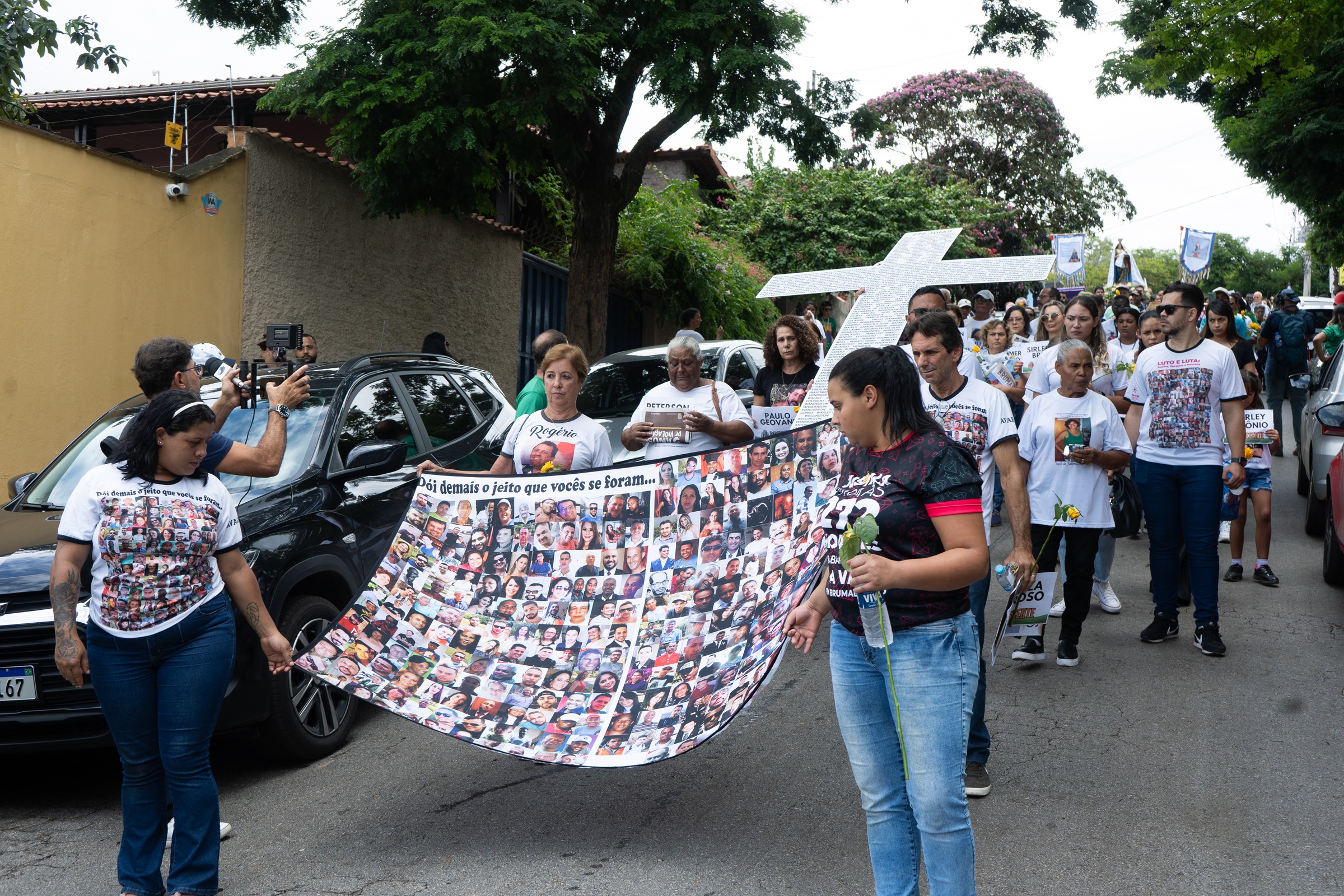
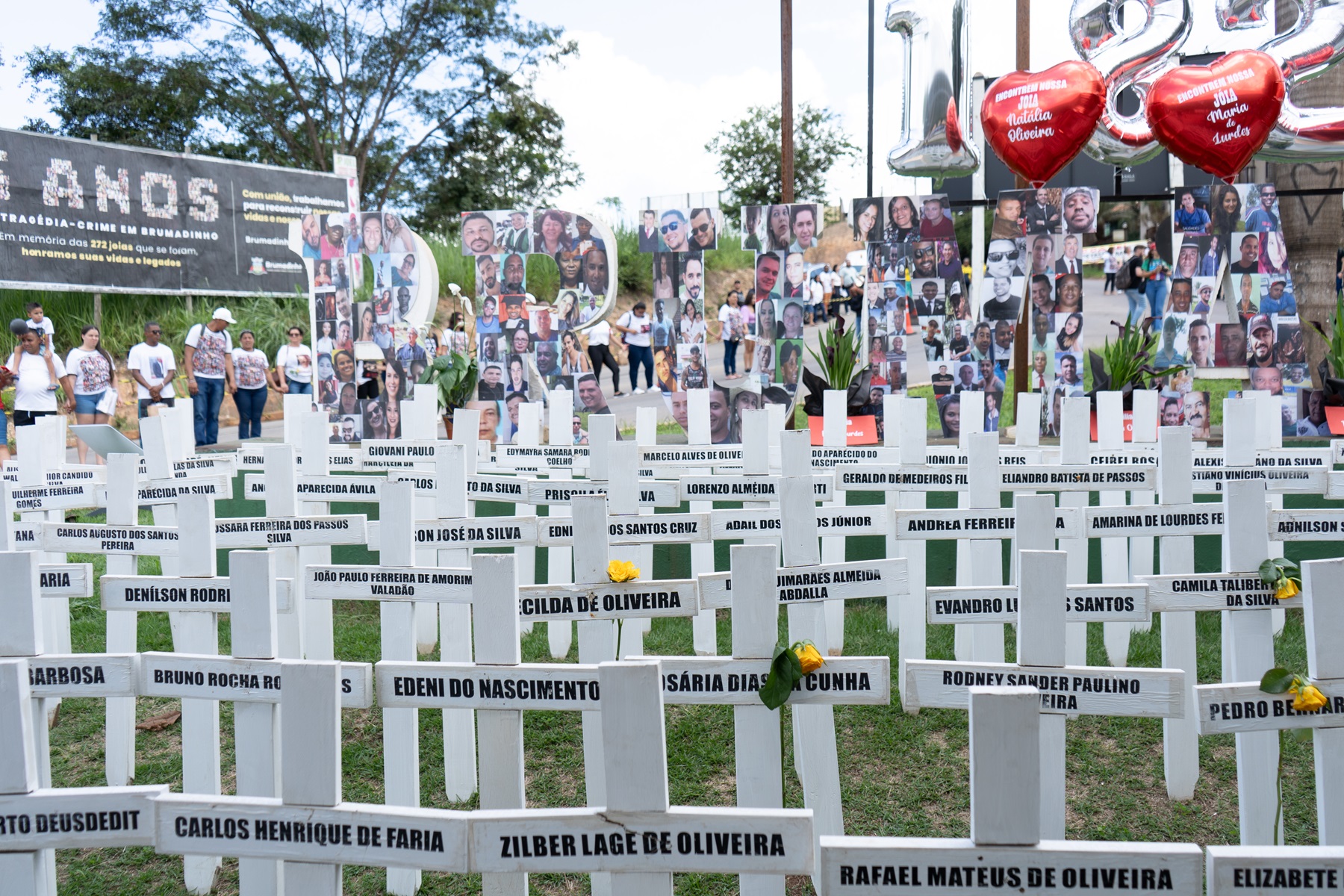
On January 25, 2019, Brumadinho region witnessed a tragedy-crime that claimed 272 lives, including two unborn children, affectionately called "Jewels" in response to VALE’s declarations that the company, as a Brazilian jewel, should not be condemned for an accident. However, the investigations about B1 dam collapse, at Córrego do Feijão Mine, showed that the scar left on the community and environment was not an accident, but VALE negligence.
Unheard warnings, repeated tragedies
In Brumadinho, VALE's awareness of the dam’s risk and the effort to get a false safety certification, evident in a Federal Police investigation, underscores negligence. Despite the emergency drills, the reality proved fatal for those following the evacuation route or waiting for the alarm bell. The aftermath left survivors and victims’ families grappling with accountability, communication lapses, and unaddressed queries, perpetuating a cycle of injustice seen in Mariana, and Maceió.
Individual Corporate Profit, Collective Pain
Corporate disregard for safety standards, glaringly evident in VALE's case, mirrors a broader issue of prioritizing profits over lives. The repeated disregard for regulations highlights systemic failures in ensuring accountability and justice, amplifying the collective anguish of affected communities.
Which side will Justice Courts chose? People or Corporation?
Although there are glimmers of hope with the involvement of the Brumadinho victims’ family organisation – AVABRUM - as an Assistant Prosecutor, the legal battles persist. After 4 years in the State Court, the lawsuit against VALE is slowly re-starting in the Federal Court. The ex-VALE President, Fabio Schvartsman, is seeking a Habeas Corpus to avoid his responsabilities. The billionaire settlement between VALE and Minas Gerais state was agreed without hearing any victims’ families who are seeing the money spent elsewhere.
“Never Again”… until when?
The affected communities have clear demands: justice by holding accountable those responsible for the Brumadinho tragedy-crime; respect for victims’ rights via adequate compensation; and prevention of future disasters.
But how to prevent future disasters? Only in Minas Gerais, VALE currently manages 27 mining dams operating under emergency protocols with 2 “Level 3” dams which indicate imminent risk of rupture.
If VALE is negligent again, who is co-responsible? The state with opaque licensing processes? The investors that enjoy mud-stained return? For sure, it won’t be the communities that keeping raising their concerns.
The fight continues
Amidst fears of impending disasters and corporate influence, communities persist in their quest for justice, transparency and accountability. For that, several organisations, including Both ENDS partner, Instituto Cordilheira, have created the ’Observatory of Criminal Actions about Brumadinho tragedy’ where anyone can follow the ongoing legal processes both in Brasil and abroad.
Five years since the Brumadinho tragedy, justice remains elusive. As affected communities grapple with the trauma, the fight for accountability and prevention of future disasters continues unabated. In the pursuit of justice, collective action and unwavering advocacy remain essential to prevent further tragedies and ensure accountability for past injustices.
-----------
Ana Luiza Alves (Both ENDS) attended the memorial: During our visit we felt really touched and energized by the resilience that the affected people and communities show. Even with all their losses, the way they are capable to still find the strenght to fight for justice and for change in the system so such crimes and consequent tragedies do not repeat ever again is impressive.
And that is what inspire us to continue our Advocay work and providing support to the local organisations and projects that are promoting what we call Gender-Just Climate Solutions, so needed for the shift we want to see in the world and for the transformation these peoples and territories need to be able to carry on with their lives. Everyone deserves to live a life wiithout the fear of being the next victim.
-----------
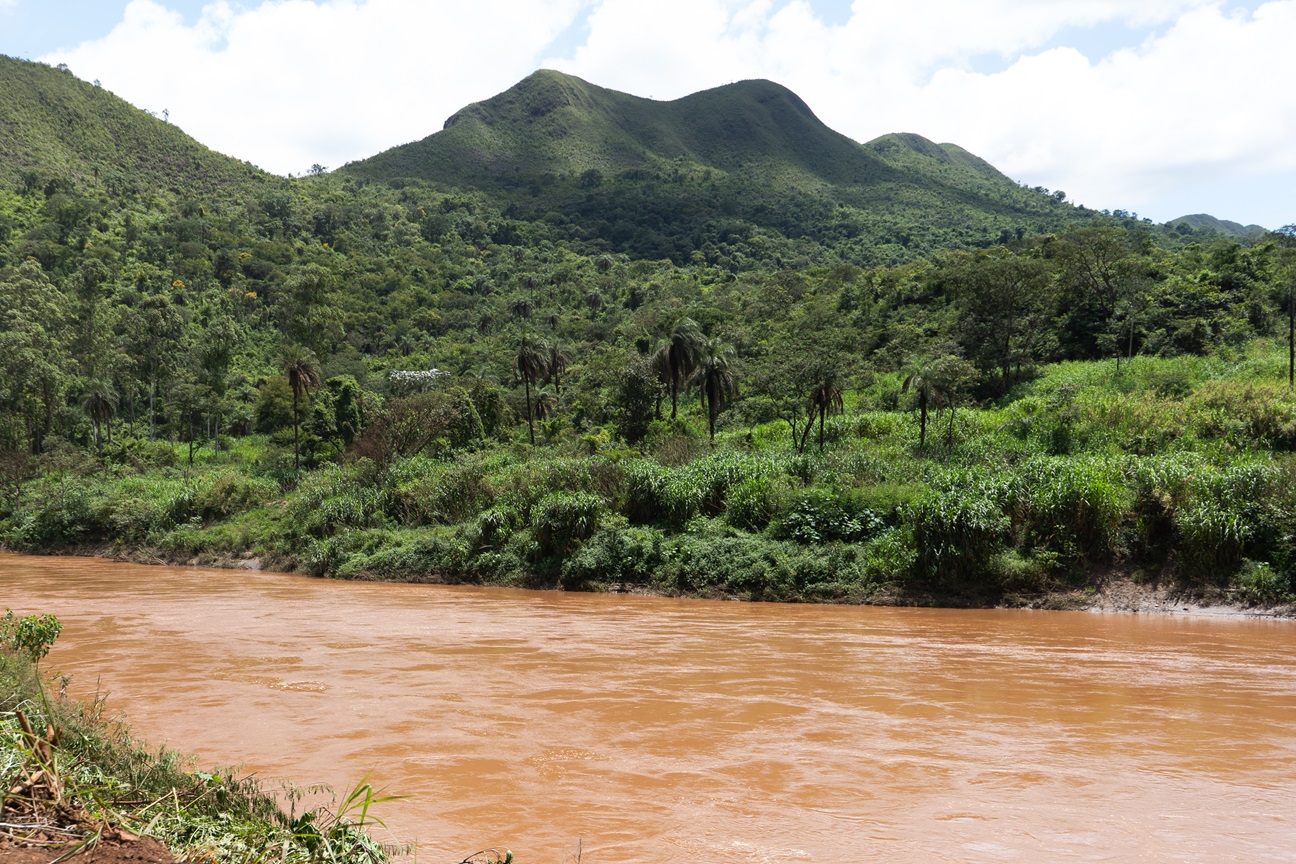
Ana Xambre Pereira (Both ENDS): During our visit, we were unsettled by how VALE was profiting from the tragedy-crime caused by them. Despite the reparations, settlements and fines, VALE’s profits were not affected. Actually, VALE has been purchasing affected devalued land to expand operations and to build housing for their workers; while profiting from processing the tragedy waste. In the end, VALE is enjoying business-as-usual, when families lost their loved ones; communities lost their livelihoods from the now muddy and contaminated Paraopeba river; and the whole region lost their trust in any VALE’s promisses of safety. In cases of corporate negligence, consequences must be harder such as suspension of the company’s license to operate until all mines and dams pass safety tests executed by an independent organisation. Despite VALE’s reparations and safety marketing, the general feeling from the local people was that is a matter of time until the next mining disaster. This fight is not only about mitigating the consequences from the mistakes of the past, but it must be about breaking this repeating cycle of profits over lives and environment for the present and future. Everyone who can break this cycle, e.g. investors, shareholders, governments, institutions, must take action now, otherwise mud and blood will be on their hands soon.
Read more about this subject
-
 Dossier /
Seeking justice for the affected communities of Vale’s mining disasters in Mariana and Brumadinho
In 2015 and 2019, the Brazilian state of Minas Gerais experienced two severe mining tragedies in Mariana and Brumadinho, due to the same mining company: Vale. Since then, the affected communities have been seeking justice, via the criminal punishment of the responsible parties, and a fair compensation for the loss of their loved ones, their homes and their livelihoods. Both ENDS supports local CSOs by amplifying their quest for justice within an international audience and, more specifically, by raising awareness amongst Dutch investors in Vale about the high risks this company’s activities pose for people and the environment.
-
 Dossier /
Towards a socially and environmentally just energy transition
To address the climate crisis we need to urgently transition away from fossil fuels towards clean, renewable energy. However, this transition is not only about changing energy sources. It requires an inclusive and fair process that tackles systemic inequalities and demanding consumption patterns, prioritizes environmental and social justice, and which does not repeat mistakes from the past.
-
 Dossier /
Global Alliance for Green and Gender Action (GAGGA)
GAGGA rallies the collective power of the women's rights and environmental justice movements to realize a world where women can and do access their rights to water, food security, and a clean, healthy and safe environment.
-
 News / 5 October 2026
Rural Women's Assembly wins Right Livelihood Award
We are thrilled to share that our partner the Rural Women's Assembly (RWA) is one of this year's Right Livelihood Laureates! The award, often called the "Alternative Nobel Prize", honours RWA for bringing together more than 178,000 women farmers in eleven Southern African countries. Together, these women stand up for their land, their seeds and their right to make decisions about their own lives and bodies.
-
 News / 27 February 2026
Both ENDS strengthens the resilience of female environmental defenders worldwide thanks to multi-year contribution from the Postcode Lottery
In recent years, Both ENDS has received an additional contribution of €875,000 from the Postcode Lottery for the Autonomy & Resilience Fund (2022–2025), implemented in collaboration with the Global Alliance for Green and Gender Action (GAGGA). This support was essential because female environmental rights defenders around the world are increasingly facing climate change, repression and shrinking civil space. With this contribution, Both ENDS supports female activists and their communities with flexible, trust-based funding, enabling them to develop their own solutions to urgent environmental and climate problems.
-
 News / 2 February 2026
Seven years after Brumadinho: impunity allows Vale’s disasters to continue
Seven years ago, the dam owned by mining company Vale collapsed in Brumadinho, Brazil, killing 272 people and severely polluting the surrounding area. While the relatives of the victims commemorate them and fight for justice, the pollution continues.
-
 Blog / 25 November 2025
COP30 shows why dismantling ISDS is essential for real climate action
Standing in Belém during COP30, I felt the weight of the moment. We came to the Amazon hoping for decisive progress on phasing out fossil fuels, yet the final outcome fell far short of the ambition science and justice demand. The agreement brought welcome commitments on adaptation finance and global indicators, but it refused to confront the structural forces that make climate action so difficult.
-
 Dossier /
Wetlands without Borders
With our Wetlands without Borders program, we work towards environmentally sustainable and socially responsible governance of the wetlands system of the La Plata Basin in South America.
-
 Environmentally Just Practice /
Non-Timber Forest Products (NTFPs)
About one in every six people, particularly women, directly rely on forests for their lives and livelihoods, especially for food. This shows how important non-timber forest products (NTFPs) and forests are to ensure community resilience. Not only as a source of food, water and income, but also because of their cultural and spiritual meaning.
-
 News / 5 November 2025
Interview: Both ENDS at COP30 for Climate Justice and Systemic Change
Both ENDS is present at COP30 to advocate for genuine access to climate finance for locally led, gender-just climate solutions and the mechanisms that facilitate this, including those for farmer-led restoration. Furthermore, the organisation participates to ensure the crucial connection between the climate negotiations and the trade and investment frameworks that shape them.
Learn more about the Both ENDS team at COP30 below, and find all the activities and side-events in which Both ENDS will participate.
-
 News / 5 November 2025
Overview of Both ENDS events at COP30 in Belem, Brazil
Both ENDS is present at COP30 to advocate for genuine access to climate finance for locally led, gender-just climate solutions, and for the mechanisms that make these possible, including those supporting farmer-led restoration. The organisation also engages to highlight the crucial connection between climate negotiations and the trade and investment frameworks that shape them.
Below is an overview of the Both ENDS team at COP30 and a detailed look at the activities and side-events in which Both ENDS will participate.
-
 Dossier /
Soy: trade in deforestation
The rising demand for soy is having negative consequences for people and the environment in South America. Both ENDS reminds Dutch actors in the soy industry of their responsibilities and is working with partners on fair and sustainable alternatives.
-
 Blog / 12 August 2025
Nickel mining for the energy transition: who is accountable for the damage?
Photo blog - In June, I travelled to Indonesia with our partner organization Puanifesto to research the impacts of nickel mining in East Sulawesi. On July 13th, the news broke that the European Union and Indonesia have reached a political agreement on a free trade agreement that was years in the making, called the Comprehensive Economic Partnership Agreement (CEPA). Nickel from Sulawesi is already being used in European cars. This makes it all the more important that we ensure that human and environmental rights are secured in mining and refining operations in Indonesia, before the road is opened to more extraction and exploitation for the European market. The conversations we have had with communities and workers on East Sulawesi show that more binding regulations are necessary to make this happen and ensure an energy transition that is socially and environmentally just.
-
 News / 16 July 2025
Case Study: Women Advocating for Gender and Climate Justice in Burkina Faso
The Women Environmental Programme Burkina Faso (WEP BF or WEP) is leading the way in gender-just climate solutions, putting the power of advocacy directly into the hands of women farmers. “In Burkina Faso, women play a crucial role in food production and natural resource management, yet they continue to face systemic barriers to land ownership,” explains a WEP team member. “Despite legal provisions, deeply ingrained customary norms remain dominant, restricting women’s access to land as user rights only, which need to be mediated through male family members.” Without secure access to land, they face significant obstacles in sustaining their agricultural activities, improving local food security, and fully participating in their communities.
-
 News / 16 July 2025
Case Study: Fighting Environmental Transphobia and Social Fragmentation in Brazil
In the face of environmental transphobia, a form of discrimination where trans and gender-diverse communities are disproportionately impacted by environmental degradation,excluded from climate policies, and often met with stigma and exclusion by environmental justice movements, Grupo Orgulho, Liberdade e Dignidade (GOLD) has emerged as a bold and visionary force for change in Brazil. At the heart of this movement is Débora Sabará ,GOLD’s leader, a travesti activist who has fought tirelessly to place the perspectives andneeds of LGBTIQAPN+ (Lesbian, Gay, Bisexual, Trans, Intersex, Queer, Asexual, Pansexual, Nonbinary and other identities), Indigenous and Afro-Brazilian communities at the center of environmental justice conversations.
-
 News / 16 July 2025
Case Study: Community Paralegals Defending Land Rights from Extractive Industries and Land Grabs in Mozambique
Across Mozambique, land represents more than just territory. It is the cornerstone of livelihoods, culture, and autonomy for many communities. When companies arrive, claiming large portions for mining, oil exploration or agribusiness, residents face significant challenges in asserting their rights. Mozambique’s Land Law (1997) grants communities user rights, ensuring they can occupy and use land for subsistence and cultural purposes.
-
 News / 16 July 2025
The challenges of climate change, gender inequality, and conflict
This FCDO-supported project, part of the GAGGA programme, brought together 6 women-led community-based organisations from around the world to explore how they navigate the combined challenges of climate change, gender inequality, and conflict. Through a Feminist Participatory Action Research approach, the organisations documented strategies ranging from land rights advocacy to climate-resilient agriculture, highlighting how extractive industries, militarisation, and patriarchal systems drive exclusion and insecurity. Their findings are now informing donors and policymakers on the need to support grassroots women’s leadership. In the following interview, the project lead shares more about the research, key insights, and its broader impact.
-
 News / 10 July 2025
Shell's Silent Exit: Evading Accountability in the Niger Delta
Following Both ENDS & Kebekatche Women Development & Research Centre participation in Shell’s Annual General Meeting (AGM) and a formal follow-up in writing, the response received from Shell plc raises more questions than it answers.
-
 Dossier /
Fair Green and Global Alliance (FGG)
Together with civil society organisations from all over the world, the Fair Green and Global (FGG) Alliance aims for socially just, inclusive and environmentally sustainable societies in the Netherlands and the Global South.
-
 Blog / 2 July 2025
Women at the frontlines of climate action: local power for global change
By Tamara MohrLast week, GAGGA, the Global Alliance for Green and Gender Action, with Both ENDS as one of the Alliance members, together with FCAM and Mama Cash, organised its Global Meeting in Indonesia. The goal of this meeting was to recognise, celebrate and look ahead at cross-movement and cross-regional connections, to strengthen the collective power of gender, climate and environmental justice movements.