Both ENDS




Last week, indigenous leaders from various countries were in Paris to urge action on deforestation and human rights abuses at the multi-stakeholder meeting of the Amsterdam Declarations Partnership. The group, invited by Forests Peoples Programme and Both ENDS, presented a publication 'Supply chain solutions for people and forests' containing a set of practical recommendations from local communities on how to make supply chains more sustainable and fair.

Clive Chibule from Zambia won the Gender Just Climate Solutions Award at the climate conference in Katowice, Poland. His project "Community strategies for climate-resilient livelihoods" aims at training rural women on leadership and climate resilience. A very important project, as Zambia is already feeling the effects of climate change, and rural women are affected most.
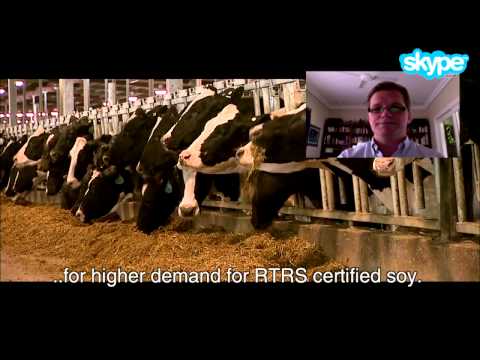
The impacts of large-scale soy and palm oil production explained by local experts.

The impacts of climate change are largely mediated by water. Changes in precipitation and glacial melt patterns, variations in river flow, increased occurrence of droughts and floods, and sea level rise all impact both urban and rural communities in developed, emerging, and especially developing countries. The book:'Adaptation to Climate Change through Water Management: Capacity, Equity and Sustainability' presents evidence of the emerging wealth of knowledge and experience on adaptation to climate change from across the world. It identifies common barriers and bridges for local adaptation to climate change through water resources management, looking at adaptive capacity, equity, and sustainability.

We are exited about the news that Ms MacKenzie Scott decided to entrust substantial funding to a wide range of small grants funds from Both ENDS' partner networks*. These small grants funds are unique as they are set up and led by people, often activists themselves, from the country or region in which the fund is based. Most mainstream conventional funders admit they have difficulties reaching community based organisations and grassroots groups themselves. Small grants funds know better than anyone how to reach local communities, who to support and what kind of financial as well as non-financial support is most needed. Thus, they bridge a wide funding gap. Both ENDS applauds this recognition of the important role of these funds in the funding landscape. We hope this encourages more funders to join!

The Wetlands without Borders programme aims to preserve the biodiversity of the La Plata Basin and the sustainable livelihoods of its communities. Preservation of the La Plata Basin is essential for protecting the region from flood and drought, and preserving the quality of life of its inhabitants. Click here for the programme's website and for the latest information.
The Wetlands without Borders programme aims to preserve the biodiversity of the La Plata Basin and the sustainable livelihoods of its communities.


