Both ENDS




In various countries in the Sahel, vast tracts of land have been restored by the local population by nurturing what spontaneously springs from the soil and protecting the sprouts from cattle and hazards.
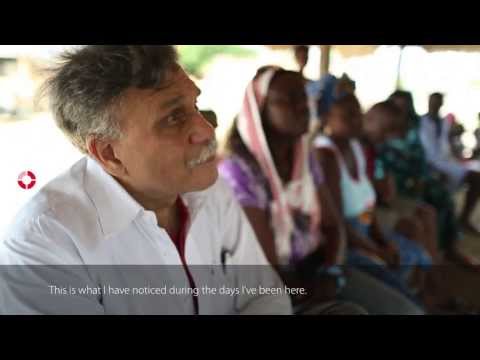
In this short movie we follow Indian professor Vijay Paranjpye, who has dedicated his life and work to finding ways of involving local communities in the management of natural resources such as water. What is the Negotiated Approach and what has been achieved so far? This film takes us to India and to Benin to show both results and possibilities.

Both ENDS has developed a method to integrate gender issues into managing natural resources like land and water. Partner organisations AMICHOCÓ in Colombia, ANCE in Togo and BARCIK in Bangladesh have been using this method in their areas since 2010. Although women in these and many other areas are doing the same work as men, equal control of the production and management of resources doesn't yet exist. The approach Both ENDS uses is aimed towards expanding awareness of gender relations and the importance of equality by defining the problem and applying practical exercises.

As the United Nations Convention to Combat Desertification (UNCCD) celebrates its 30th anniversary, the global community faces an urgent need to address the escalating challenges of land degradation, desertification and drought. At the forefront of these efforts, Both ENDS has long advocated for inclusive, locally-led solutions to these critical issues. In this interview, Nathalie van Haren and Yordanos Mulder, who will represent Both ENDS at the upcoming UNCCD COP16, share insights into the significance of the conference, the key issues on the agenda, and the crucial role of local communities in shaping effective land governance. They discuss Both ENDS' ongoing work to amplify the voices of marginalised groups and emphasise the importance of sustainable land management practices, particularly those driven by women, youth, and Indigenous Peoples.

A Negotiated Approach envisages the meaningful and long-term participation of communities in all aspects of managing the water and other natural resources on which their lives depend. It seeks to achieve healthy ecosystems and equitable sharing of benefits among all stakeholders within a river basin. This inclusive way of working is an essential precondition for the Transformative Practices that are promoted by Both ENDS and partners.




