




The merits of community-based restoration
Globally, the area that is suffering desertification and land degradation is ever expanding. Unsustainable and often large-scale agricultural practices, including the copious use of pesticides and fertilisers, are a major driver of land degradation, aprocess that is further exacerbated by climate change, causing more erratic rainfall patterns, longer periods of drought and unpredictable growing seasons. This is very problematic not only for the hundreds of millions of people who directly depend on land and water for their livelihoods, but also for life on earth as a whole. It is clear that this process must be stopped and reversed, better sooner than later. But how to go about it?
Promising initiatives
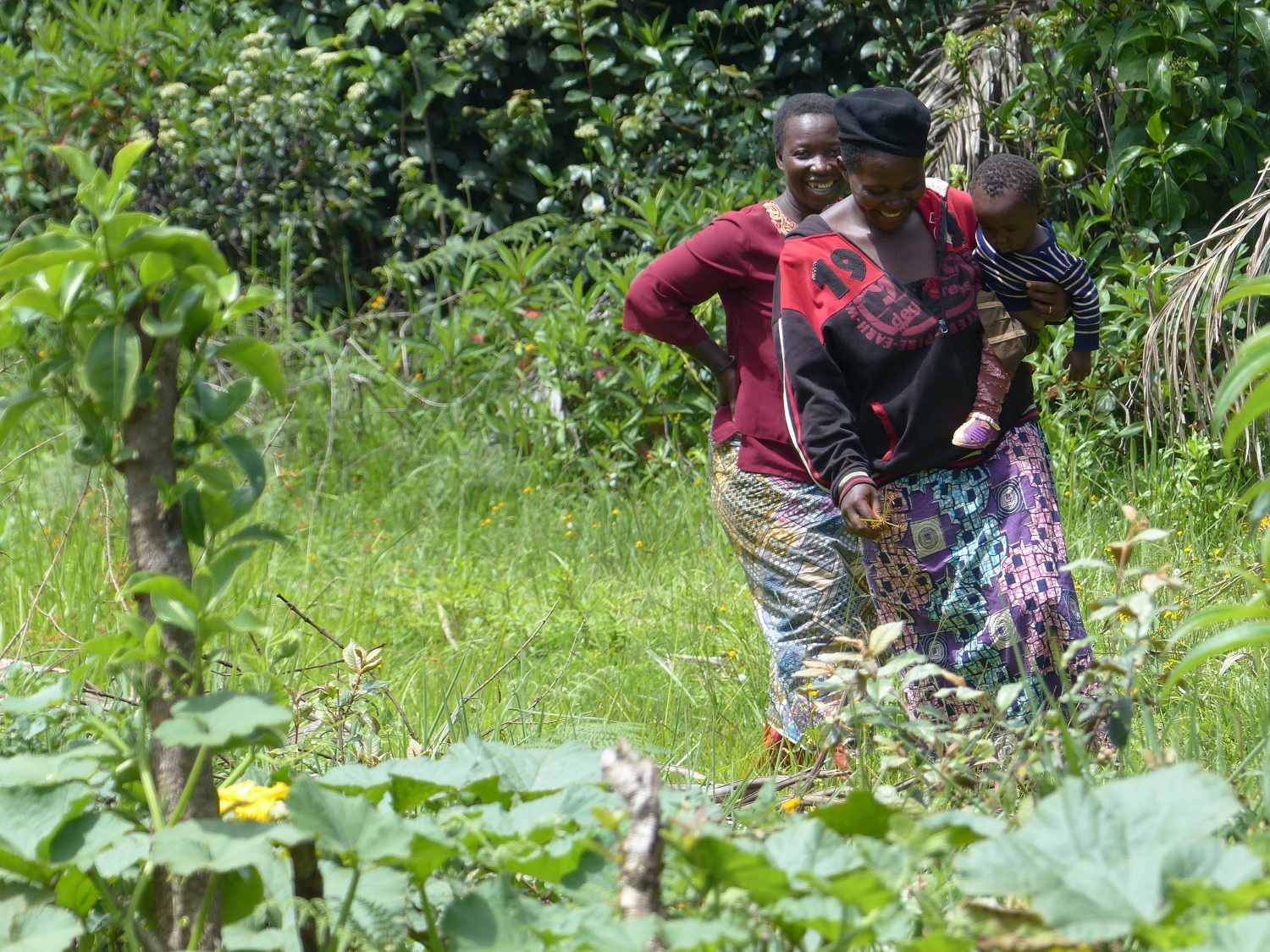
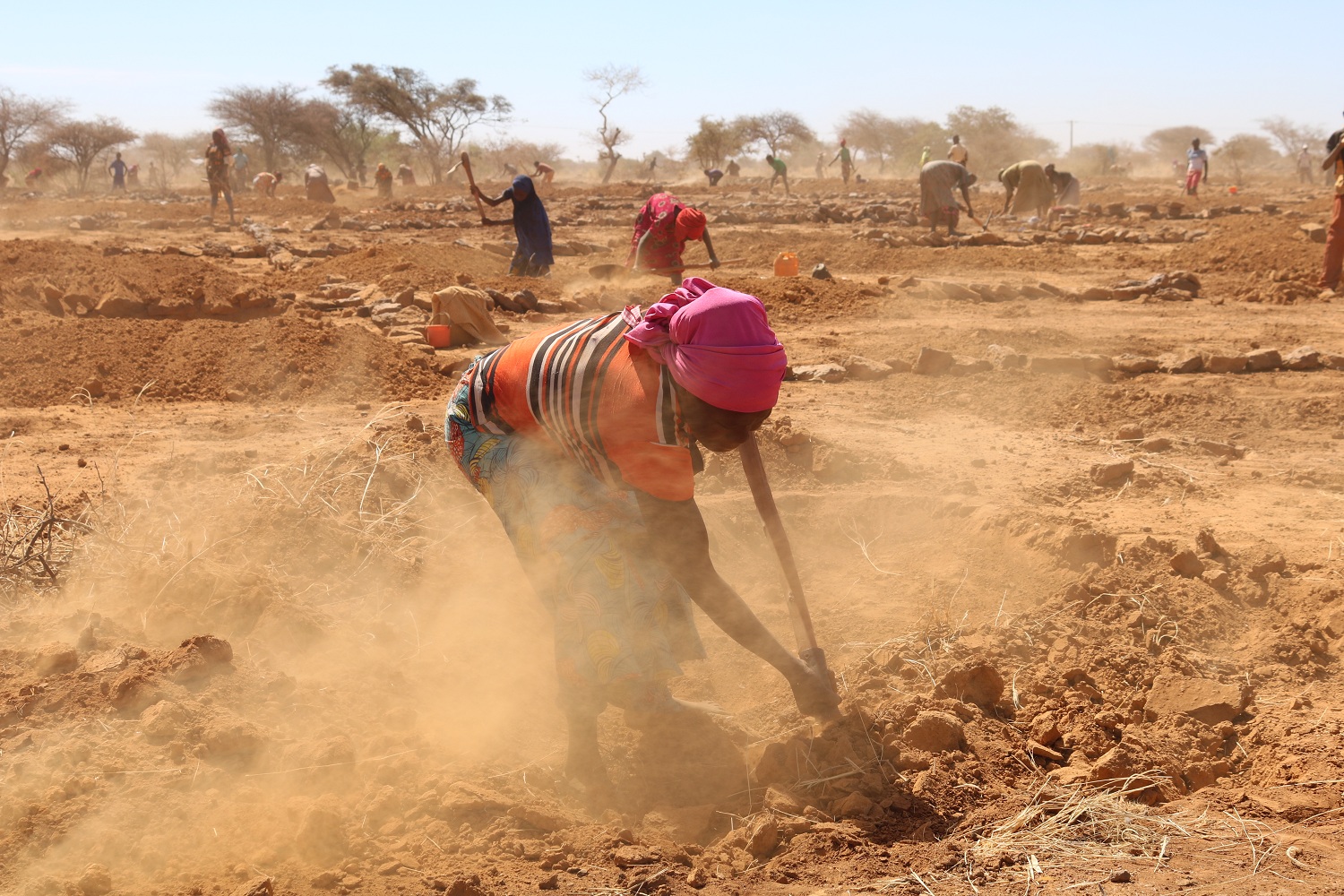
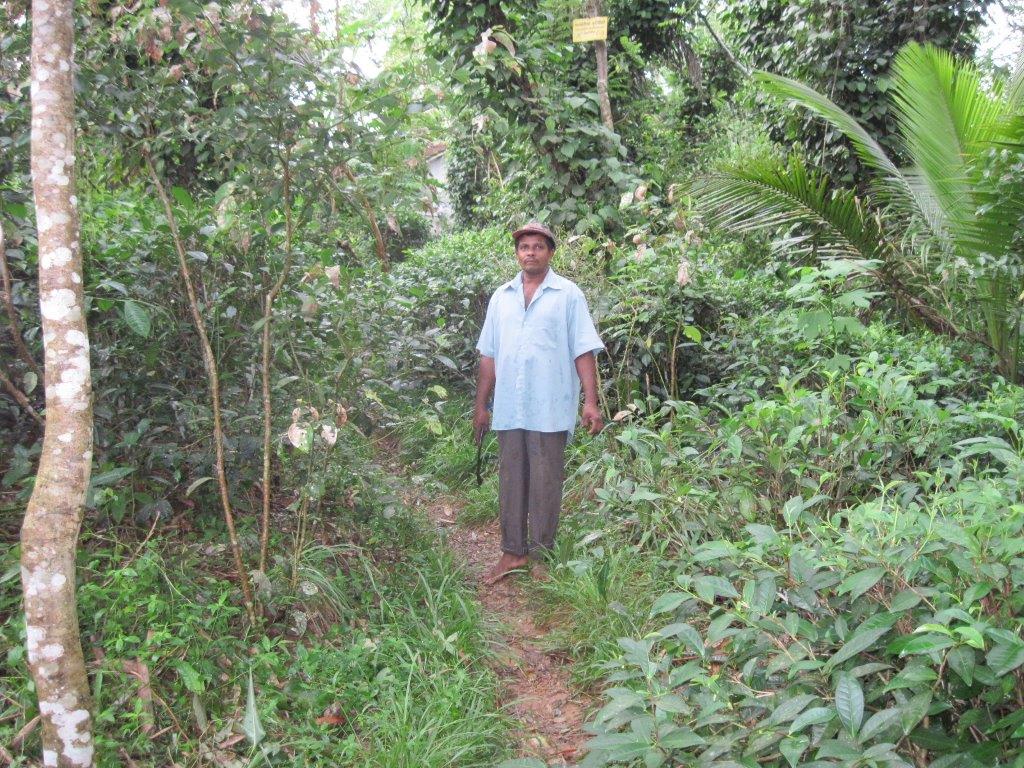
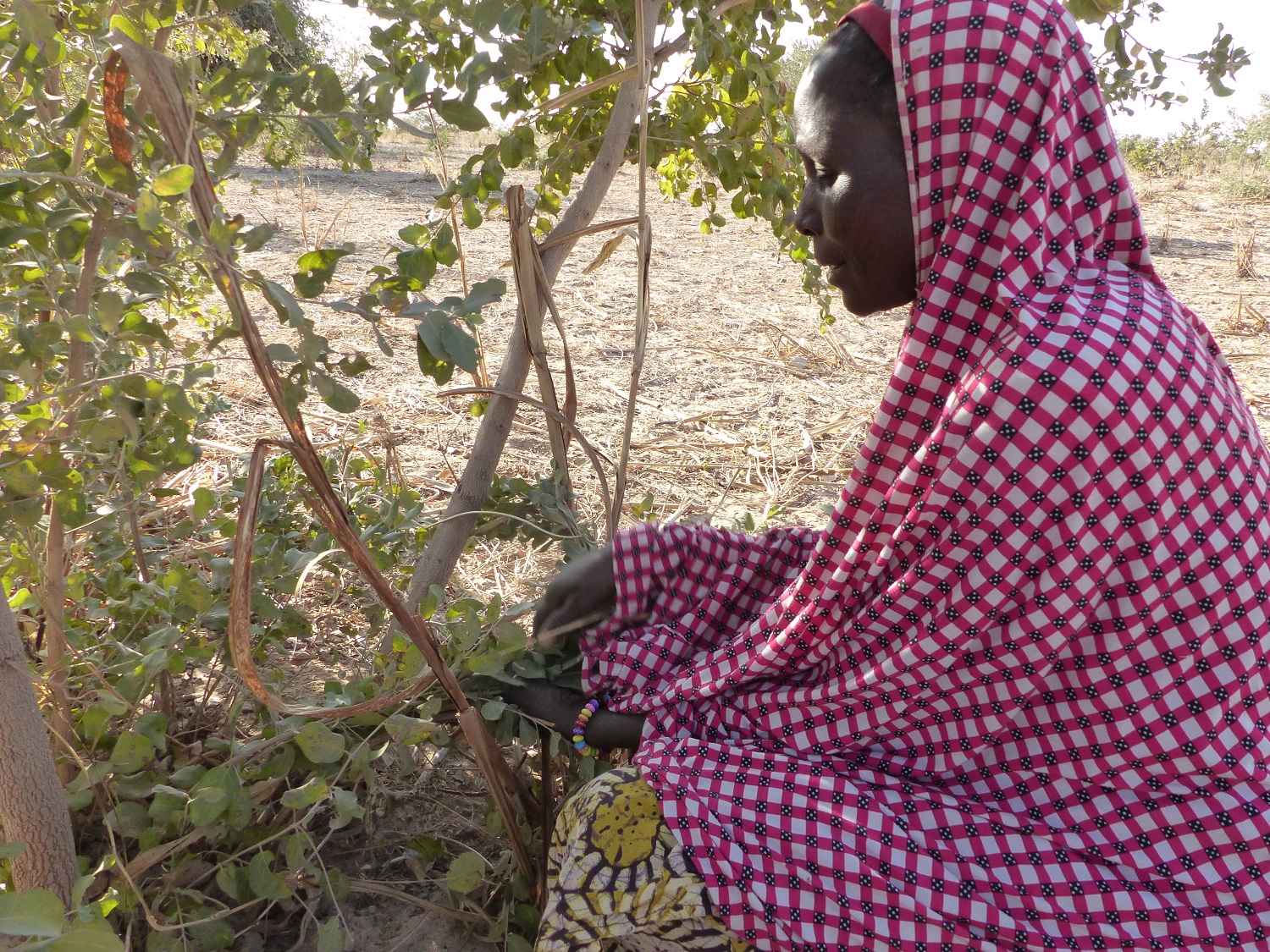
Fortunately, all around the world promising initiatives are emergingto turn the tide. Both ENDS is supporting a number of these initiatives by working together with local organisations and networks. In various countries in the Sahel for example, groups of farmers and pastoralists have restored vast tracts of land by nurturing what spontaneously sprouts from the soil and protecting these young plants from cattle and other hazards. In Sri Lanka, plantation owners together with local communities have transformed degraded tea plantations into productive food forests, where sustainable tea is grown under a canopy of avocado, coconut and pepper. In Bolivia, small-scale farmers have embraced agroecology and the accompanying biological pest control methods to counter the destructive expansion of industrial agriculture causing the pollution of water and soils.
The merits
These are just a few examples, but similar community-based restoration and sustainable land use initiatives are happening at the grassroots levelall around the world, sometimes as answers to current destructive practices, sometimes as a continuation of what people have already been doing successfully for decades. They are future-proof ways to reach Sustainable Development Goal 15: ‘Protect, restore and promote sustainable use of terrestrial ecosystems, sustainably manage forests, combat desertification, halt and reverse land degradation and halt biodiversity loss.’ They can not only make a relevant contribution to addressing land degradation, but also climate change. While on the one hand they help mitigation efforts through the absorption of carbon by newly grown trees and improved soils, on the other hand they also have a positive impact on people’s income, health, adaptive capacity and resilience.
Community-based and inclusive
Although they can be very different, community-based restoration and land use initiatives have important common features that might explain their success, be it on a large or a smaller scale. Firstly and most importantly – they arecommunity-based. This means that they have to be grounded within the community itself and be adopted and implemented by its members – with or without support from others. When people feel ownership and see their needs met in both the short and the long run, they are more inclined to use a certain method as analternative way. Another important feature is inclusiveness: all people that might be positively or negatively affected by sustainable land use or restoration activities (herders, farmers, women, youth and water users, amongst others), should be involved in the decision making and implementation of these initiatives.
Make it grow
In order for such initiatives to grow, flourish, scale up and spread, several conditions must be met. First of all, land (use) rights are extremely important. Who will invest time and energy in land that can be taken away at any moment? Also, communities, scientists and policy makers must work together and exchange both scientific and local knowledge and experiencesto improve and disseminate certain land use and restoration methods. Last but not least, access to technical and financial resources is crucial to let these initiatives develop to their full potential as alternatives to current and often destructive (agricultural) practices.
Read more about this subject
-
 Environmentally Just Practice /
A Negotiated Approach for Inclusive Water Governance
A Negotiated Approach envisages the meaningful and long-term participation of communities in all aspects of managing the water and other natural resources on which their lives depend. It seeks to achieve healthy ecosystems and equitable sharing of benefits among all stakeholders within a river basin. This inclusive way of working is an essential precondition for the Transformative Practices that are promoted by Both ENDS and partners.
-
 Environmentally Just Practice /
Non-Timber Forest Products (NTFPs)
About one in every six people, particularly women, directly rely on forests for their lives and livelihoods, especially for food. This shows how important non-timber forest products (NTFPs) and forests are to ensure community resilience. Not only as a source of food, water and income, but also because of their cultural and spiritual meaning.
-
 Environmentally Just Practice /
Analog Forestry
Analog forestry is a transformative approach to the ecological restoration of degraded lands. Natural forests are used as guides to create ecologically sustainable landscapes, which support the social and economical needs of local communities.
-
 Environmentally Just Practice /
Agroecology
Agroecology is a diverse set of agricultural practices, a field of science and a social movement. It aims to transform food systems towards greater ecological sustainability, social justice, and resilience. Both ENDS and CSO-partners around the world support farmers and pastoralists practising agroecology, both on the ground and in gathering political and financial support.
-
 Environmentally Just Practice /
Farmer Managed Natural Regeneration
In various countries in the Sahel, vast tracts of degraded land have been restored by the local population by nurturing what spontaneously springs from the soil. They do this using a method called 'Farmer Managed Natural Regeneration (FMNR)'.
-
 Environmentally Just Practice /
Inclusive Land Governance
Both ENDS works with partners around the world to ensure that land is governed fairly and inclusively and managed sustainably with priority for the rights and interests of local communities.
-
 Dossier /
Global Alliance for Green and Gender Action (GAGGA)
GAGGA rallies the collective power of the women's rights and environmental justice movements to realize a world where women can and do access their rights to water, food security, and a clean, healthy and safe environment.
-
 Dossier /
Wetlands without Borders
With our Wetlands without Borders program, we work towards environmentally sustainable and socially responsible governance of the wetlands system of the La Plata Basin in South America.
-
 Dossier /
Communities Regreen the Sahel
In various countries in the Sahel, vast tracts of land have been restored by the local population by nurturing what spontaneously springs from the soil and protecting the sprouts from cattle and hazards.
-
 Dossier /
Amplifying environmentally just practices
Because of the close relationship with their living environment, local communities often have the best ideas for the sustainable and equitable use and governance of land, water and forests. These environmentally just practices and processes successfully protect and restore ecosystems and address climate change. They are essential in the light of the multiple crises the world faces, but are in dire need of financial and policy support.
-
 Dossier /
Inclusive ways to sustainable and healthy food for all
All around the world small-scale farmers are using sustainable and inclusive methods to produce food. Working together with nature and each other, they provide their families and communities with sufficient and healthy food. But their production methods are under pressure from large-scale agriculture and the globally dominant system of industrial food production. Together with our partners, Both ENDS is trying to turn the tide in favour of sustainable, local practices that are mostly known as 'agro-ecological' or 'nature-inclusive'. Why are we focusing on these methods? Agro-ecological practices are climate-proof and inclusive and increase the opportunities for communities around the world to produce their food sustainably.
-
 Dossier /
Finance for agroecology
The lion's share of public budgets for climate, agriculture and development still goes to conventional agroindustrial projects that contribute to the current climate, food and biodiversity crises. Both ENDS and our partners are calling for a transition to agroecological practices that are people- and environment-friendly.
-
 Dossier /
Green Climate Fund: calling for local access to climate finance
Local organisations and groups must be given access to climate finance from the Green Climate Fund. They know exactly what is happening in their local context and what is required for climate adaptation.
-
 Dossier /
Fighting for improvements in the production of palm oil
The production of palm oil is causing social and environmental problems worldwide. Both ENDS is working to make the sector fairer and more sustainable and is promoting alternatives for palm oil.
-
 News / 24 March 2026
Statement: Invest in local leadership for tropical forest management and local economies
IUCN-NL, Both ENDS, and 16 other Dutch and international civil society organizations (CSOs), networks, and expert groups are calling on the Dutch government to invest more strongly in locally led forest management and forest-based economies. This should be done within the framework of Dutch international cooperation and its associated policy instruments.
-
 Blog / 3 June 2025
A food forest as an inspiring oasis between monoculture fields
Recently, we visited food forest Ketelbroek with a group of colleagues. This project was initiated by food forest pioneer Wouter van Eck and our own Pieter Jansen. What a beautiful place! Located between monocrop fields of ryegrass, beetroot and potatoes, the food forest is a green oasis. Birdsong fills the air and there is a constant buzz and fluttering all around. Hares, badgers, foxes and wild boars are regular visitors. And let's not forget the beavers.
-
 News / 9 May 2025
Women’s leadership in agroecology flourishes in Eastern and Southern Africa
On 12 and 13 February 2025, women from Kenya, Uganda, and Zimbabwe gathered in Nairobi for the Africa Women Leaders in Agroecology (AWOLA) Regional Networking Forum. The event marked a significant moment in the leadership programme of PELUM Kenya, which empowers young women in their role as leaders in the agroecological transition. This project was made possible thanks to support from Both ENDS as part of the Fair, Green and Global (FGG) Alliance.
-
 News / 7 April 2025
Food forest Ketelbroek: where food production and biodiversity come together
When Both ENDS-colleagues visit partners, they often go on a "field trip" to see how our joint work affects people and communities. This year, we did the same in the Netherlands. Food forestry pioneer Wouter van Eck demonstrates a group of Both ENDS partners how regenerative agriculture can offer solutions to the climate and biodiversity crises.
-
 News / 21 March 2025
Dutch Royal couple visits Thogoto Forest: a green oasis on the outskirts of Nairobi
This week, King Willem-Alexander and Queen Máxima visited Thogoto Forest as part of their state visit to Kenya. They were able to see the impact of the work of our partner MCDI in the area: a restored forest, clean water and farmers who can earn a living by selling their agro-ecological products.
-
Letter / 3 March 2025
Input for FMO’s “investment approach to responsibly managed forest plantations”
Both ENDS has been asked by FMO to comment on its draft investment approach to responsibly managed forest plantations. To follow are a number of observations and recommendations, partially informed by Both ENDS long legacy of working in the forest & land arena, in dialogue with international donors, philanthropic foundations, companies, certification bodies and notably with forest dependent communities and other land users.