


The case of Kasepuhan Karang: Secure land rights lead to food security
Photoblog - In 2016, the state forest around the community of Kasepuhan Karang, in Java, Indonesia, was transformed into customary lands. With these newly acquired land tenure rights, the community has started initiatives to use their land in a sustainable and inclusive way. What this means for the community in terms of livelihoods and food security, became clear during a field visit at the start of the Global Land Forum 2018.
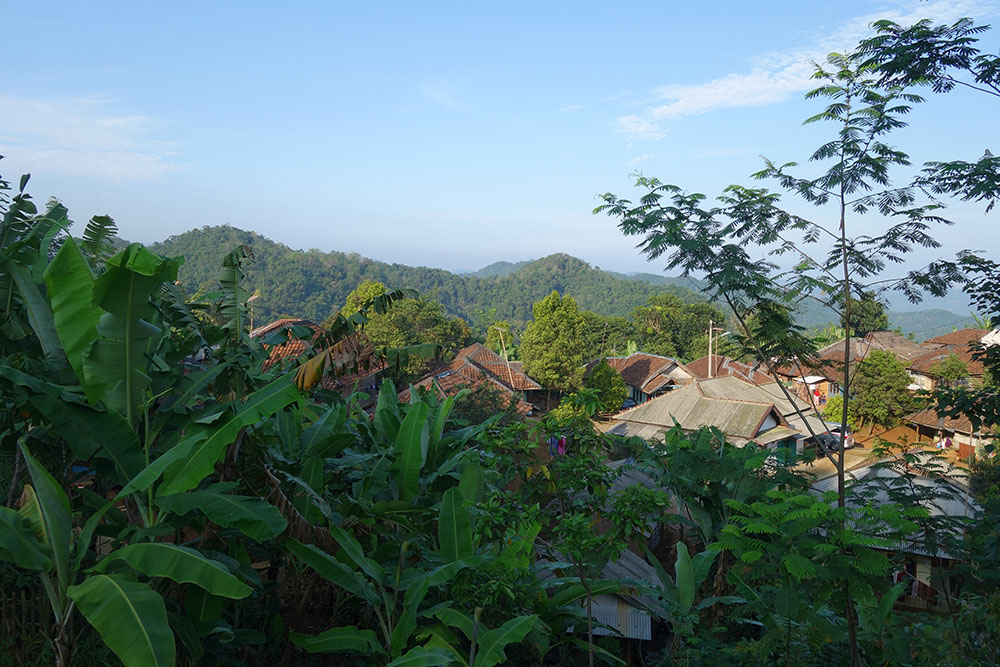
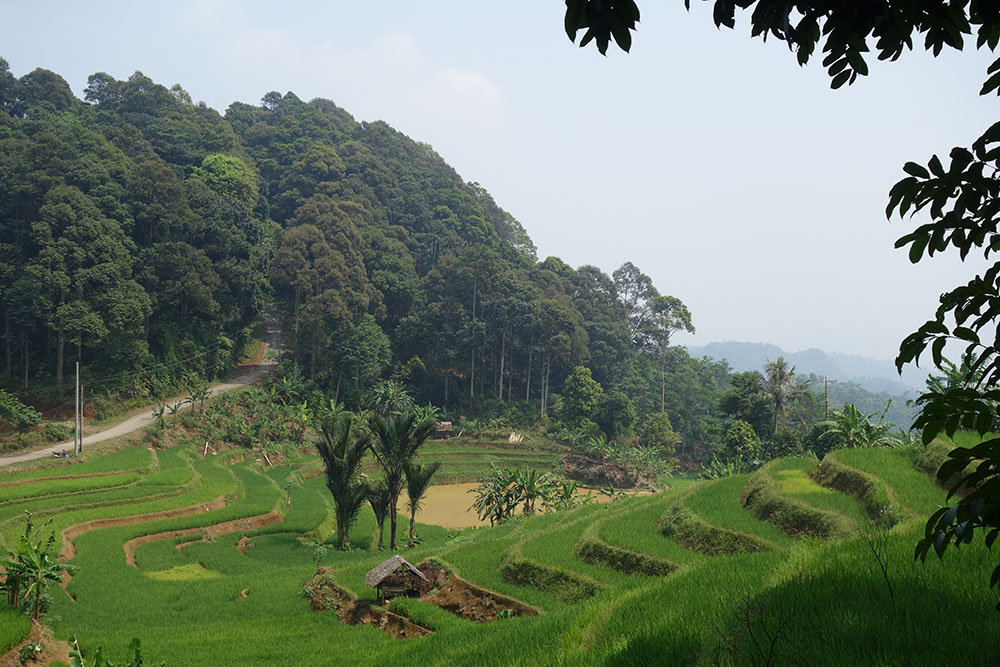
Kasepuhan Karang community consists of various villages, located in a mountainous region in western Java, Indonesia. To the community of Kasepuhan Karang, 'forest' is more than only 'land covered by trees'; it also includes the fields and paddies in between the forest areas.

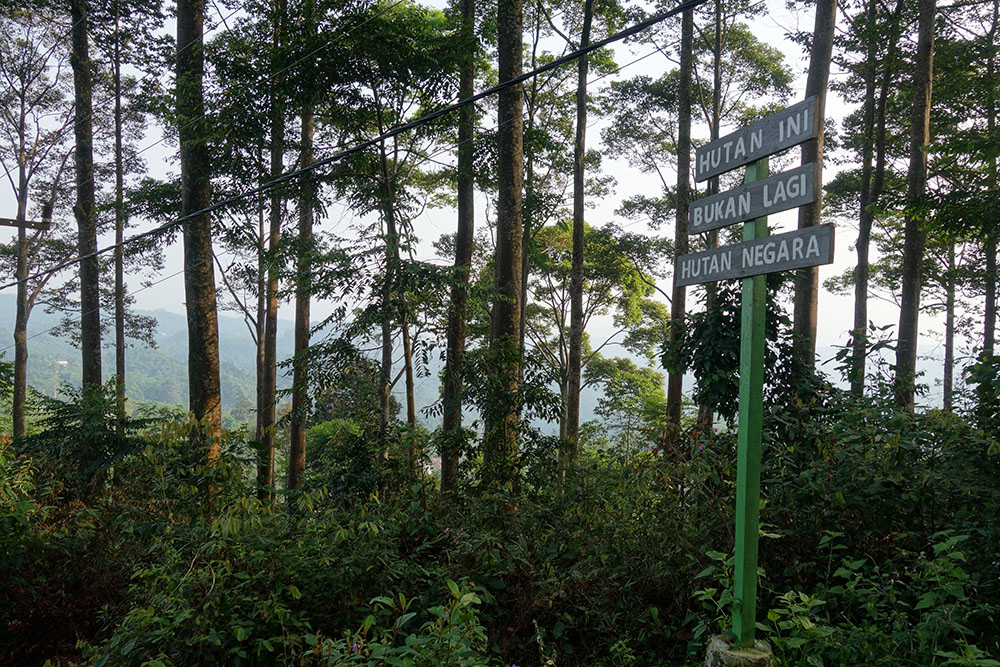
A sign next to the road says 'This forest is no longer a state forest'. In 2016, the community gained communal rights over the land surrounding their villages.
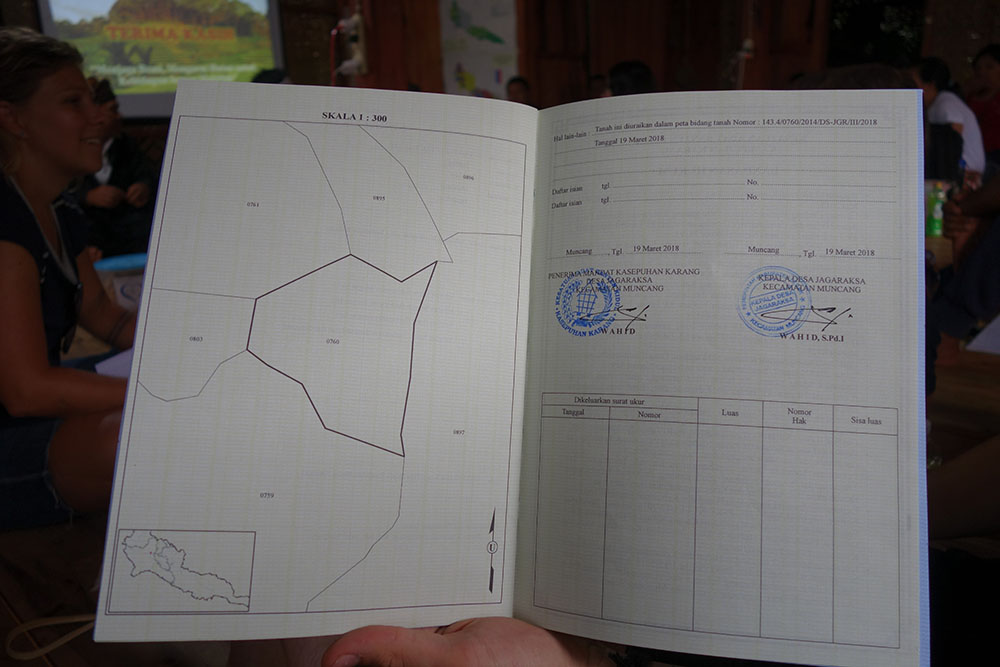
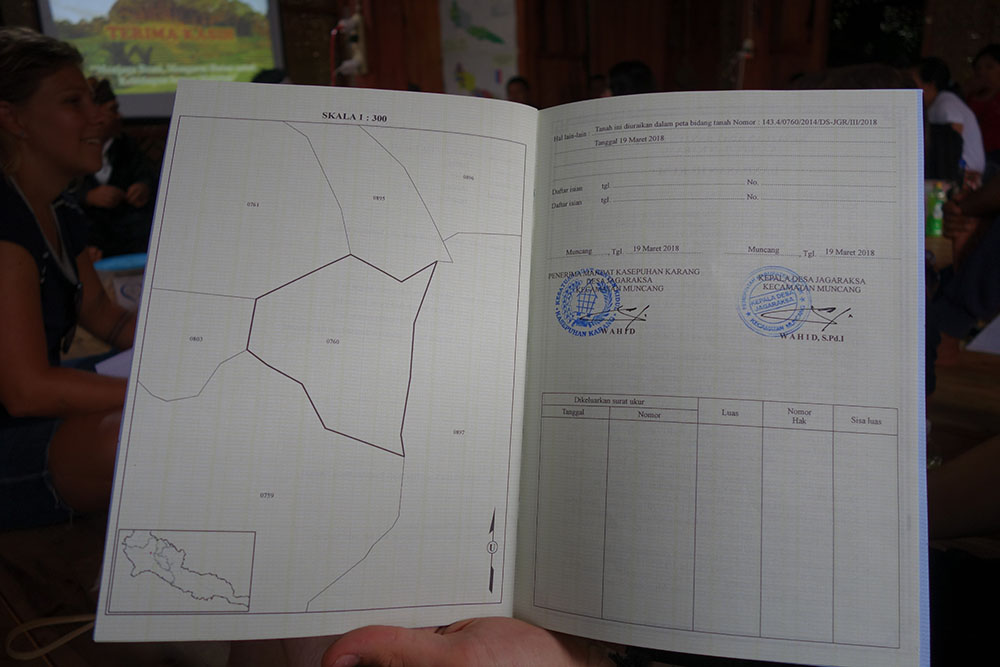
The community has set up a system to divide the customary land between the families, based upon a participatory mapping process. A certificate, the 'Risalah', gives a family user rights over a certain plot, but officially the whole land is owned by the community. Families can sell their user rights to other community members, but not to external parties.
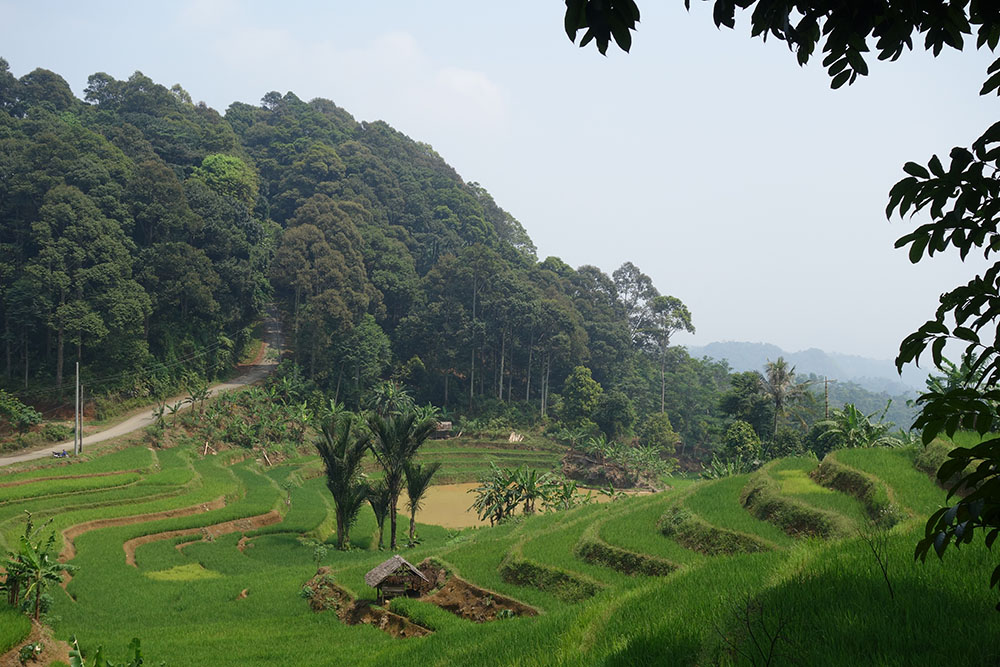
There are certain rules that the community has set up to guarantee the sustainable use of their customary land. For example, the families are allowed to plant rice in their paddies, pick fruits and other products from the forested areas and occasionally fell a tree, but they are not allowed to cut down the whole forest or to start mining.
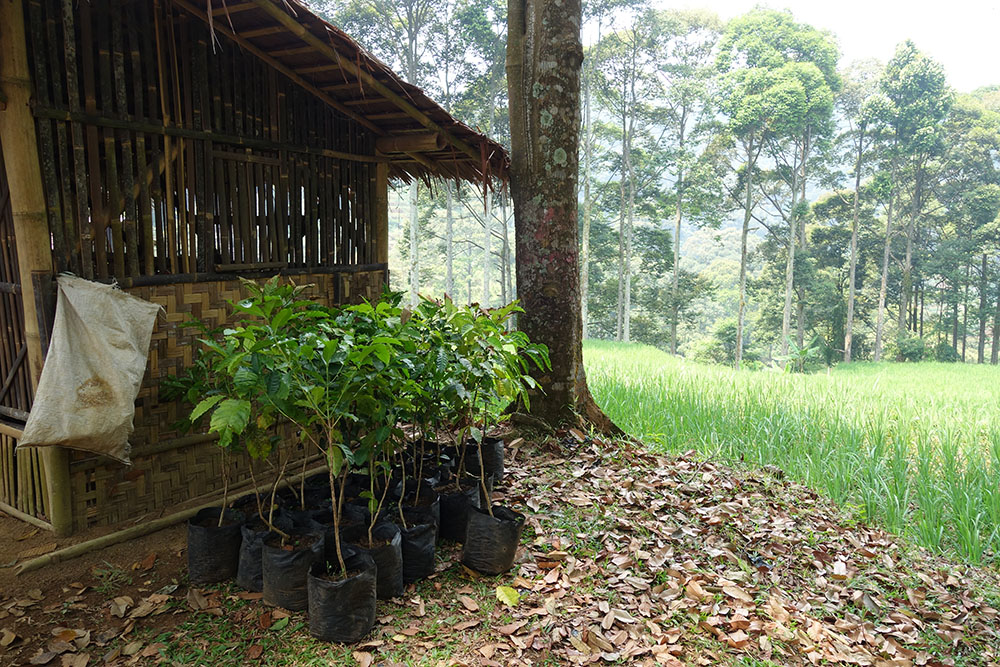
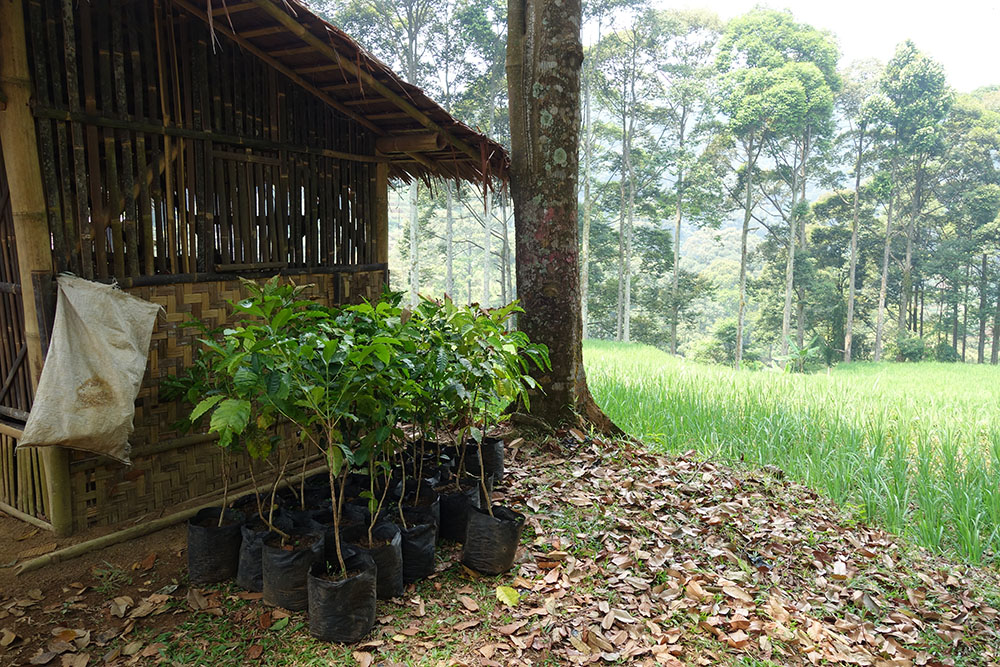
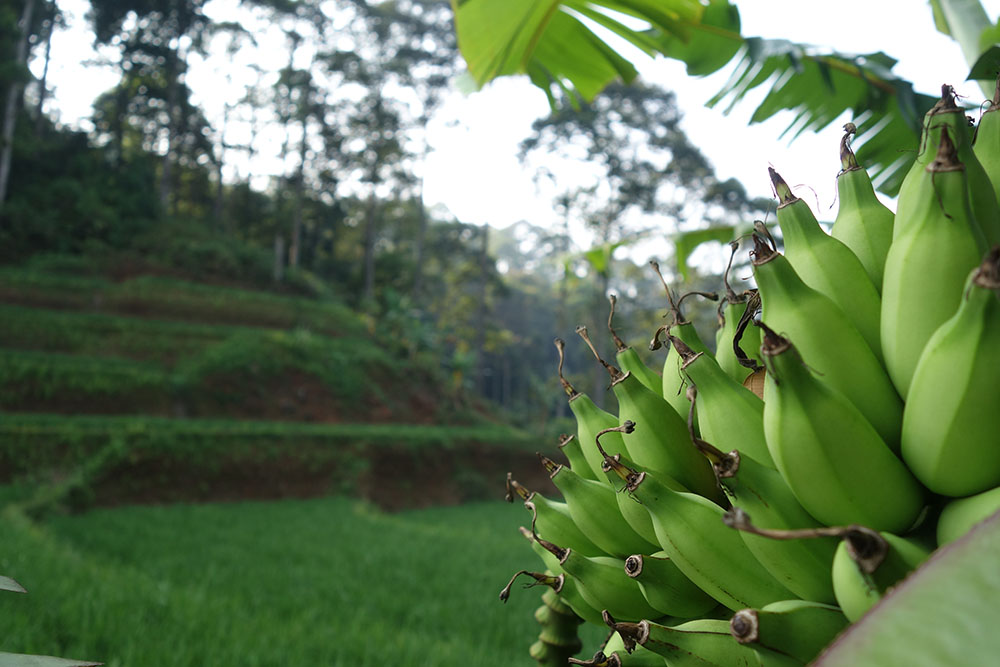
In order to increase the benefits of their customary land, the inhabitants of Kasepuhan Karang have planted 8.000 trees over the past years, mainly mangosteen, durian, coffee and mango trees. These investments in trees were only feasible for the farmers because of their security of land tenure.
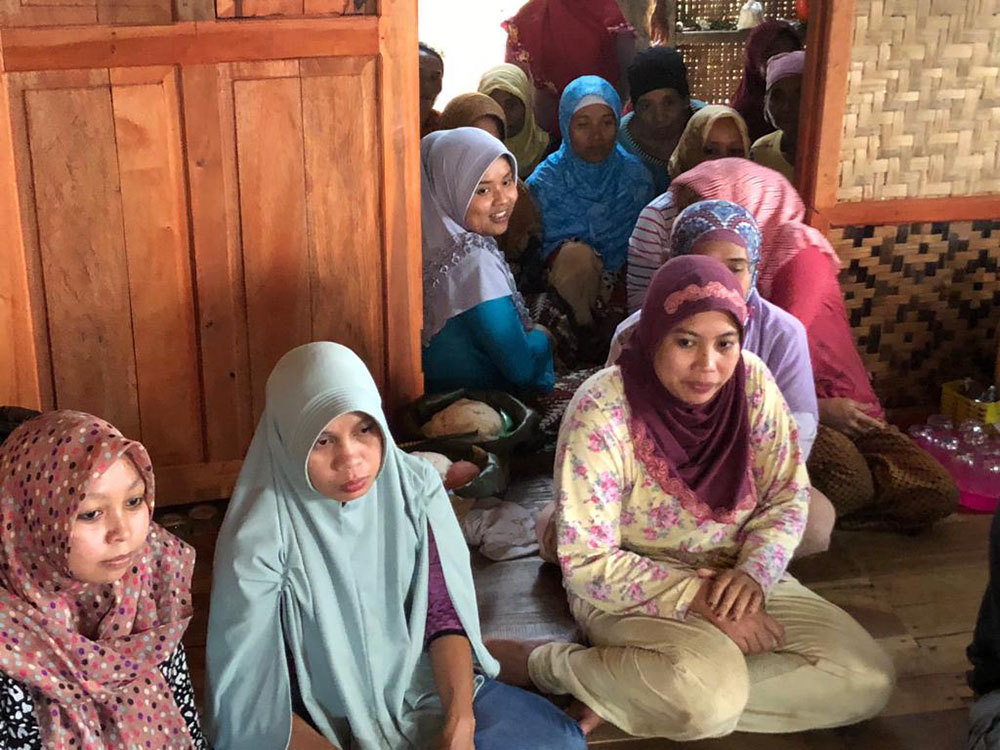
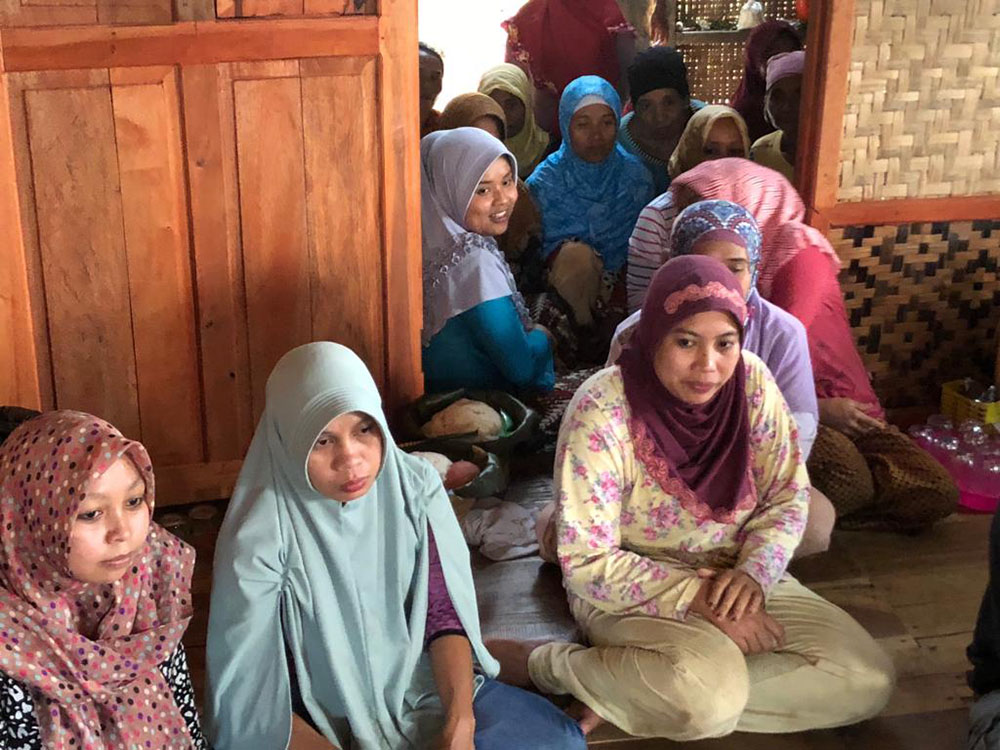
A group of women in Kasepuhan Karang has set up a financial cooperative according to traditional rules. Families can get loans for investments in their land, like tree seedlings, vegetable seeds or equipment. They pay back with harvests from their land. Access to land through tenure security has contributed to productivity and therefore also means access to financial services, which are much needed for investments in land. (Photo by RMI Bogor)
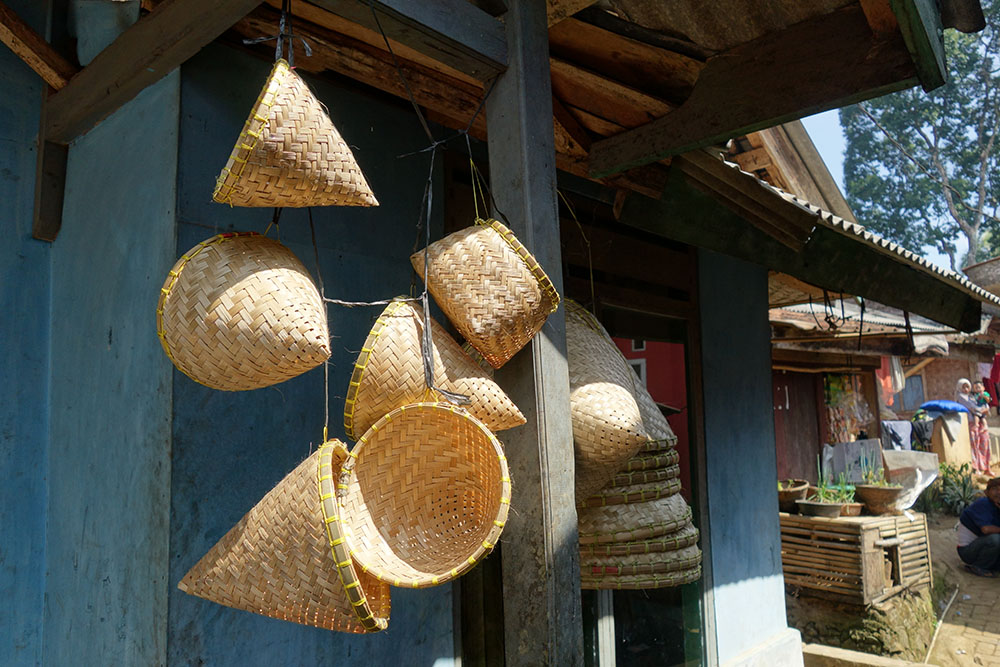
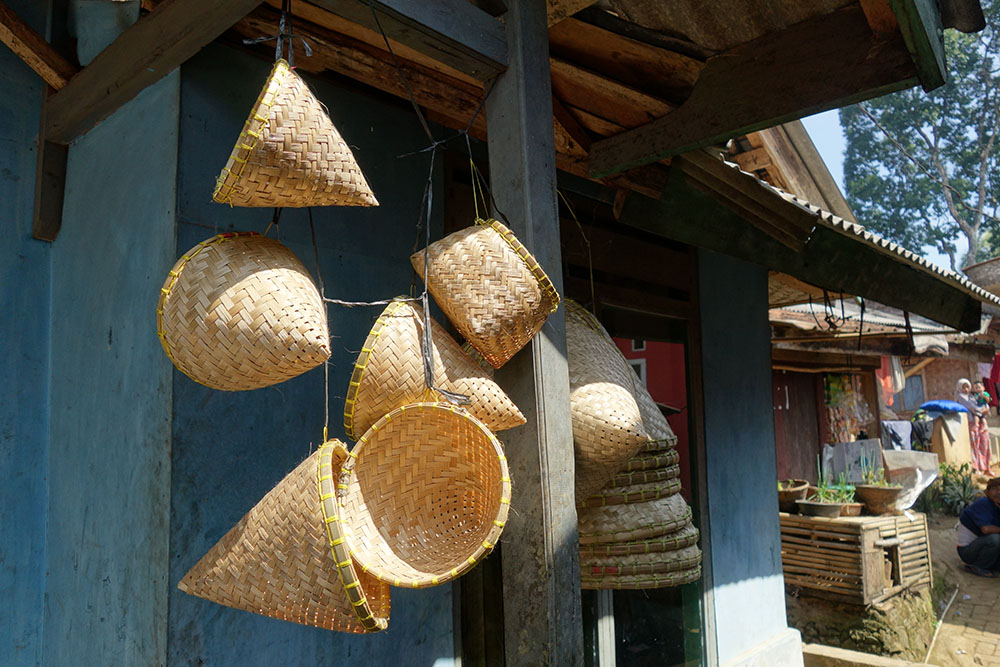
The forest around Kasepuhan Karang is also a source of Non-Timber Forest Products (NTFP's), like these traditional rattan baskets. They are used to steam rice.

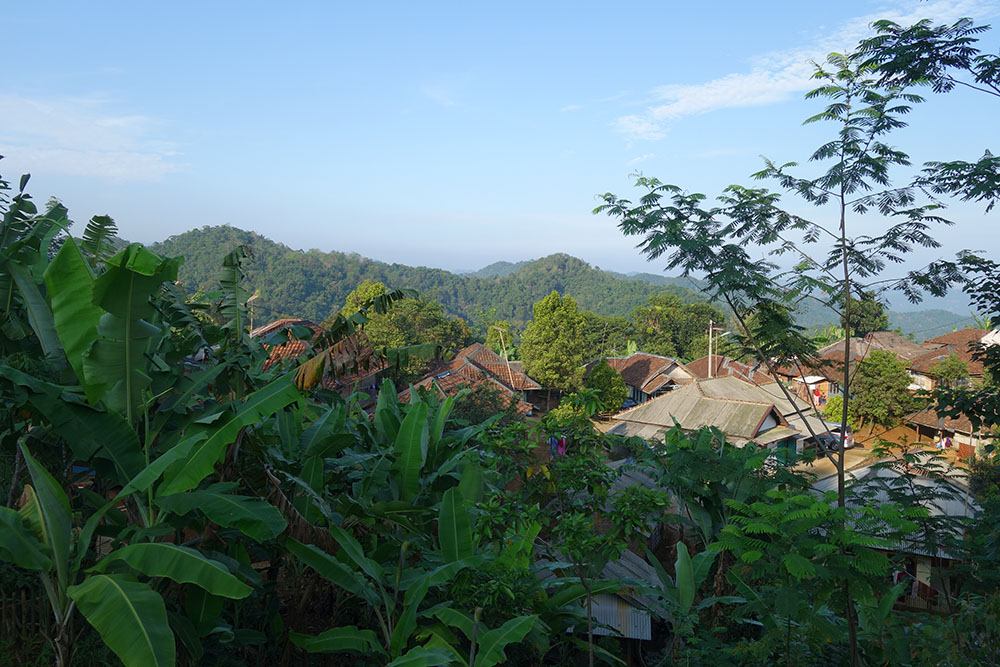
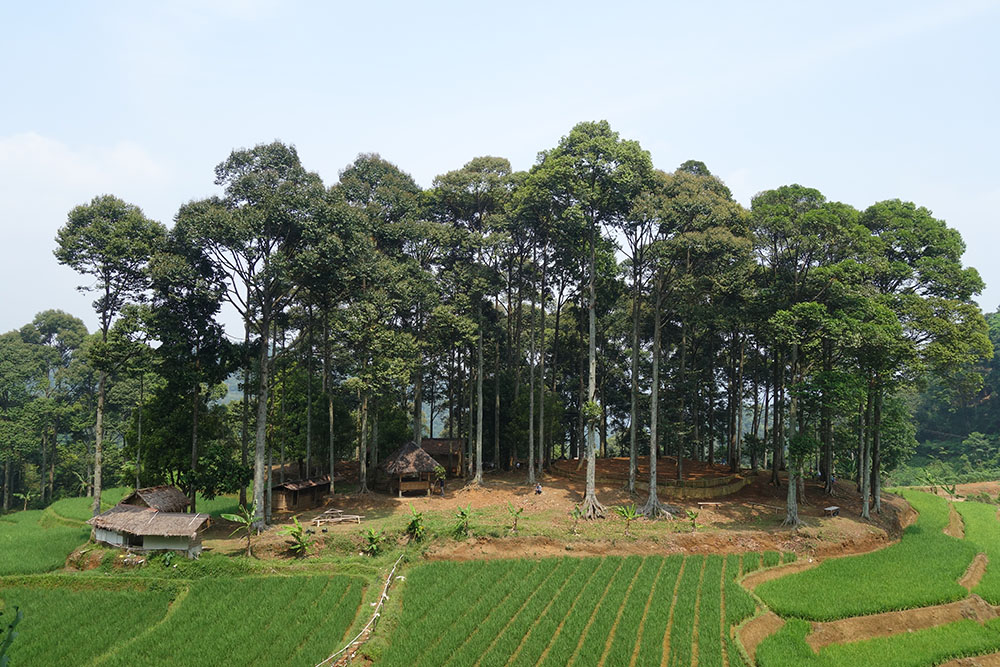
This beautiful place became an ecotourism site after the community gained their customary land rights in 2016. It is managed by a group of youth.

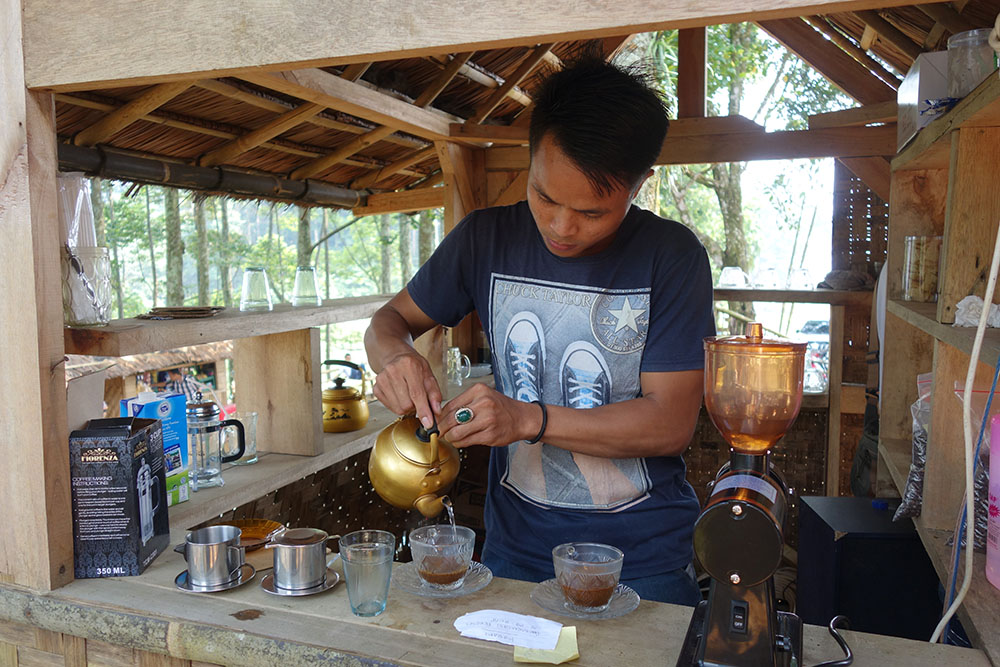
Youth used to have little prospects for a better future in Kasepuhan Karang. Now they manage the ecotourism site, rent rooms and camping equipment, organize walking tours to a nearby waterfall and sell locally produced coffee and other products to visitors.
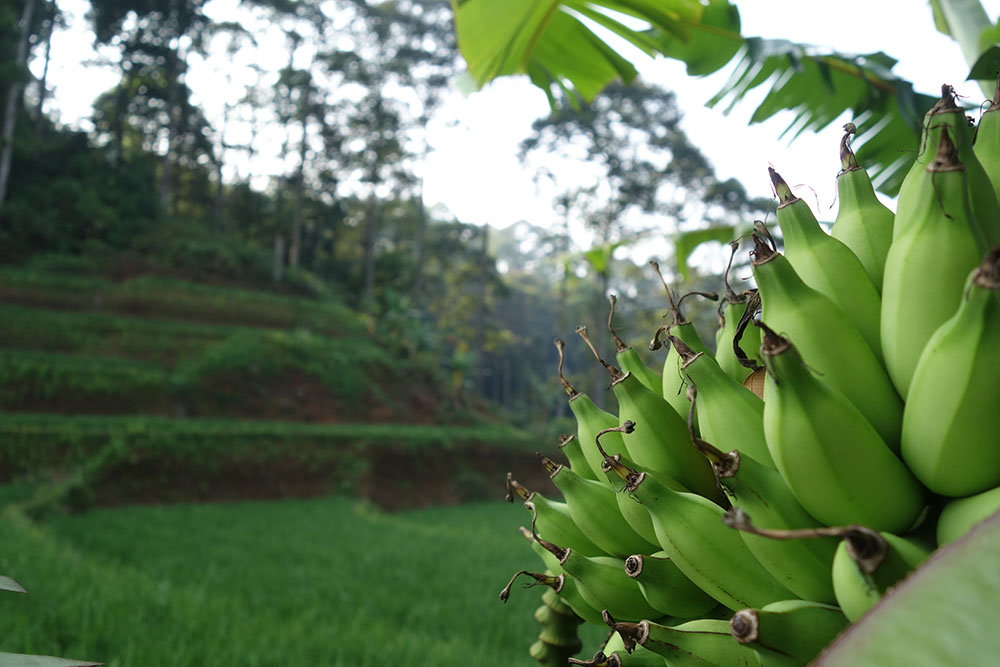
The policy decision to transfer state tenure of the forest around Kasepuhan Karang into customary tenure of the land has enabled the community to take control over and sustainably manage their surroundings. The people make sustainable decisions that increase food security now and in the future.
For more information
Read more about this subject
-
 Blog / 5 oktober 2018
ECOTON (or the rollercoaster of Surabaya)
From the first moment I arrive in Surabaya, I enter the rollercoaster called ECOTON. I'm visiting them to get to know the work of this long-time Both ENDS partner, and have only three days for this. But ECOTON does a lot, and all of it at the same time. Tirelessly, they work on the protection of the Brantas River.
-
 Blog / 3 juni 2025
A food forest as an inspiring oasis between monoculture fields
Recently, we visited food forest Ketelbroek with a group of colleagues. This project was initiated by food forest pioneer Wouter van Eck and our own Pieter Jansen. What a beautiful place! Located between monocrop fields of ryegrass, beetroot and potatoes, the food forest is a green oasis. Birdsong fills the air and there is a constant buzz and fluttering all around. Hares, badgers, foxes and wild boars are regular visitors. And let's not forget the beavers.
-
 News / 15 oktober 2020
Land rights for Indigenous Peoples to protect their forests
Institut Dayakologi works to preserve Indigenous Peoples' livelihoods and cultures in West Kalimantan. One of their central goals is to gain ancestral land rights for Indigenous communities. This is not only essential for the security of these communities, but also for the forests and ecosystems on which they depend for their livelihood, identity, culture and customs.
-
 Press release / 7 mei 2019
Press release: European stakeholders call for immediate action in face of climate emergency
Brussels, 7 May 2019 - In an unprecedented Climate Action Call published today, a broad coalition is urging European leaders to take decisive action to respond to the climate emergency. Hundreds of European cities, regions, businesses, youth and faith groups and civil society organisations working on climate, human rights, litigation, mobilization, sports and health call upon leaders to profoundly alter the way we run our societies and economies to limit temperature rise to 1.5°C.
-
 News / 22 april 2013
NEW VIDEO: 'Mapping our Future' for survival of local communities in Indonesia
Between 2010 and 2013, Both ENDS, within an alliance of Indonesian and Dutch organisations and universities, conducted a pilot project to improve the spatial planning in the district of Sanggau in West-Kalimantan, on the island of Borneo, Indonesia, to help local communities with the recognition of their land rights. We can show you a beautiful documentary about one of the villages in this district, Terusan.
-
 Dossier /
Global Alliance for Green and Gender Action (GAGGA)
GAGGA rallies the collective power of the women's rights and environmental justice movements to realize a world where women can and do access their rights to water, food security, and a clean, healthy and safe environment.
-
 Blog / 18 december 2017
Bali: The disappearance of a fishermen’s village
We pushed the canoe through the turf and climbing on board he suggested I take the helm while he would hoist the sail. Being aboard this fast sailing lightweight canoe, carried by the swell of the blue sea, brought back images so vividly described in Hemingway's book The old man and the sea. After leaving the coast, going further onto the sea we eventually changed track and went north. I learned from the fisherman that the daily catch of fish was very meagre. Fishermen had to leave home early morning, around 4 AM, and had to venture out far off the coast to find fish. When I spotted my hotel near the beach we set course for the coast. When we had reached the shore again, I paid the fisherman and we parted amicably, in good spirit.
-
 Event / 28 februari 2019, 14:00 - 15:30
Webinar: Realizing women’s land rights in Africa
This webinar will feature experiences from several grassroots initiatives and highlight how they fight for women's improved access to and control over land and other natural resources and to scale up women's land rights.
-
 Event / 22 september 2022, 13:00 - 14:30
Showcasing transformative approaches for women’s land rights
Both ENDS and the Land Portal Foundation invite you to the third webinar in the Whose Land? Inclusive Pathways to Land Governance series. This third Whose Land? webinar will showcase gender transformative approaches on women's land rights. Gender transformative approaches are defined by women acting as agents of change, transforming structural barriers and redefining gender norms. These approaches facilitate the participation of women in land governance decision-making processes, but require closing the land data gender gap.
Register here
-
 External link / 24 juni 2023
Women’s land rights in Mozambique (Annual Report 2022)
In Mozambique, few women can rest assured that their right to use and enjoy land is guaranteed. Forum Mulher, a network of Mozambican women's rights organisations, raised public awareness and mobilised rural women to effectively make their voices heard during the government's formal review of the legislative framework for land governance. As a result, the revised National Land Policy of Mozambique now emphasises the importance of prioritising and valuing rural peasant women in land policy and law.
-
 Blog / 8 maart 2019
Women lead struggle for land rights for the Avá Guaraní
By Tamara MohrTogether with five women from the Platform Suace Pyvyvõhára, I travel to Mingã Pora in the east of Paraguay. Around 45 families from the indigenous Tekohá Suace community settled here in 2016. In Guaraní, Tekohá means 'the place where we are what we are'. They reside in tents - self-made out of waste materials - on a small strip of land with a soy field on one side and a nature reserve owned by the Itaipu company on the other.
-
 News / 6 juli 2026
Strengthening Women's Land Rights Across the Rio Conventions
From 29 June – 2 July 2026, Tamara Mohr, GAGGA coordinator at Both ENDS participated in the 4th convening of the Women's Land Rights Initiative (WLRI) in Nairobi, Kenya.Hosted by the Robert Bosch Stiftung, TMG Research and the Huairou Commission, the event brought together grassroots organisations, (inter)national NGOs, government institutions and donors from around the world.
-
 News / 16 juli 2025
Case Study: Community Paralegals Defending Land Rights from Extractive Industries and Land Grabs in Mozambique
Across Mozambique, land represents more than just territory. It is the cornerstone of livelihoods, culture, and autonomy for many communities. When companies arrive, claiming large portions for mining, oil exploration or agribusiness, residents face significant challenges in asserting their rights. Mozambique’s Land Law (1997) grants communities user rights, ensuring they can occupy and use land for subsistence and cultural purposes.
-
 News / 21 oktober 2015
Financing of land restoration with respect for local land rights
A week ago, the twelfth ‘Conference of the Parties’ (COP12) of the United Nations Convention to Combat Desertification (UNCCD) took off in Ankara, Turkey. This convention originated from the Rio Conventions of 1992 and specifically focuses on desertification and land degradation. Karin van Boxtel of Both ENDS was there, and today, together with several other organizations that also attended the conference, she launches a document with recommendations for policymakers about the financing of the so-called ‘Land Degradation Neutrality’-concept, one of the many topics that fueled the discussions during the convention. So what is it, and why is it so important?
-
 Video / 18 november 2013
Mapping Our Future
Between 2010 and 2013, Both ENDS, together with Indonesian and Dutch organisations and universities, conducted a project in the district of Sanggau in West-Kalimantan, on the island of Borneo, Indonesia. The project was meant to help local communities with the recognition of their land rights and. This is a beautiful short documentary about how the people of one of these villages responded to the ever expanding palm oil plantations around them.
-
 Dossier /
Fighting for improvements in the production of palm oil
The production of palm oil is causing social and environmental problems worldwide. Both ENDS is working to make the sector fairer and more sustainable and is promoting alternatives for palm oil.
-
 Dossier /
Rights for People, Rules for Corporations – Stop ISDS!
Indigenous communities in Paraguay saw their attempts to regain their ancestral lands thwarted by German investors. In Indonesia, US-based mining companies succeeded to roll back new laws that were meant to boost the country’s economic development and protect its forests. This is the level of impact that investment treaties can have on social, environmental and economic development and rights. Why? Because of the ‘Investor-to-State Dispute Settlement’ clauses that are included in many such treaties.
-
Letter / 25 oktober 2022
Official Statement of Indonesian Coalition for Monitoring Infrastructure Development related to AIIB Statement of Anti Retaliation
The Mandalika International Street Circuit is a street circuit in the resort of Mandalika in Central Lombok in West Nusa Tenggara Province. The project, mainly intended to attract tourists, is largely financed by the Asian Infrastructure Investment Bank (AIIB).
-
 Environmentally Just Practice /
A Negotiated Approach for Inclusive Water Governance
A Negotiated Approach envisages the meaningful and long-term participation of communities in all aspects of managing the water and other natural resources on which their lives depend. It seeks to achieve healthy ecosystems and equitable sharing of benefits among all stakeholders within a river basin. This inclusive way of working is an essential precondition for the Transformative Practices that are promoted by Both ENDS and partners.
-
Publication / 16 oktober 2025

