Both ENDS




The Latin American partner organizations of GAGGA launched the campaign "We, women, are water" in March 2018. This video was launched as part of this campaign, and emphasizes the importance of recognizing water as a common good.

Latin American partner organizations of GAGGA launched the campaign "We, women, are water" in March 2018. This video was launched as part of this campaign, and emphasizes the role of women in the sustainable management of water in Latin America.
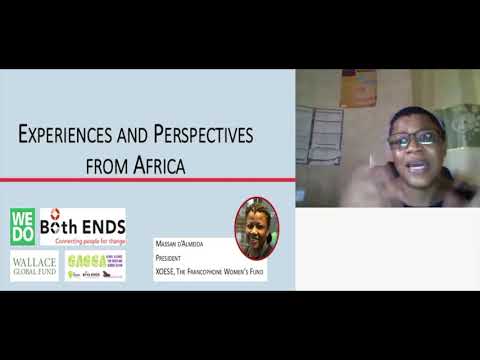
The fifth session of our five part series on women's rights and climate finance, Experiences and Perspectives of Women Engaging in Climate Finance, shared the insights of three activists who have been serving as GCF Monitors as part of the "Women Demand 'Gender-Just' Climate Finance" initiative. They spoke about their processes of learning about climate finance and connecting with others to monitor climate finance in their communities and regions, discussed the value they have found in this work, and answered questions from webinar participants.

Communities from Northern Guatemala have filed a complaint this week against the Inter-American Development Bank (IDB). They bear the brunt of the construction of two large hydropower dams in the Ixquisis region, that are co-financed by the IDB. This is against the bank's own policies on environment and sustainability, indigenous people, gender, and information disclosure.

This paper by Prakriti Resources Center (Nepal) sheds light on the gender and climate change nexus, gender mainstreaming as a tool to address gender inequality, gender and climate change policy landscape both at international and national level, gaps and way forward.

Both ENDS together with partners from Indonesia, Malaysia, Democratic Republic of Congo and the United Kingdom, filed a joint submission to the French Government on its draft National Strategy to Combat Imported Deforestation (Strategie Nationale de Lutte Contre la Deforestation Importee – "SNDI").

Take a look at our online Annual Report over the year 2017!

Last week, indigenous leaders from various countries were in Paris to urge action on deforestation and human rights abuses at the multi-stakeholder meeting of the Amsterdam Declarations Partnership. The group, invited by Forests Peoples Programme and Both ENDS, presented a publication 'Supply chain solutions for people and forests' containing a set of practical recommendations from local communities on how to make supply chains more sustainable and fair.

