Both ENDS




We congratulate Joan Carling, member of the permanent commission on indigenous peoples of the UN, for having received the Lifetime Achievement Award as 'Champion of the Earth' by the UN Environment! This is the UN's highest environmental honor, given to six of the world's most outstanding environmental change makers once a year.
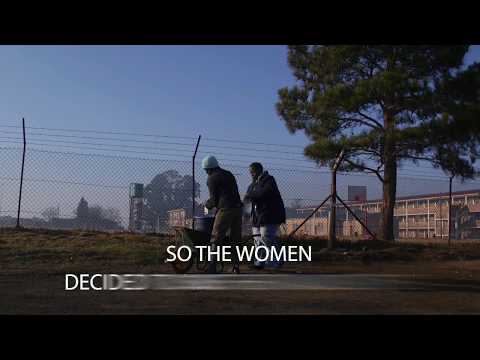
In this video we see Maria Mkhatswa, who is claiming the right of her people to have access to clean water, like they had years ago, when the coal mining industry had not yet polluted the whole area. The three part series 'Reality of Mine' gives a voice to women affected by mining in India, Kenya and South Africa. With the support of international NGOs Both ENDS and ActionAid, they have begun to stand up for their rights.
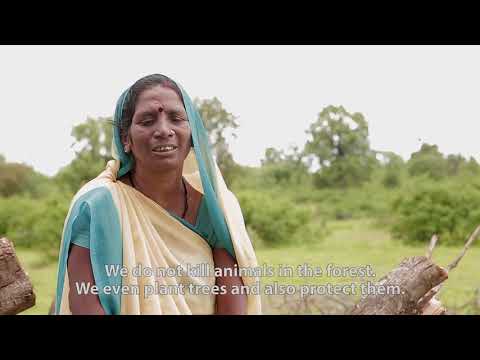
This short video takes you to Panna, India, where traditional adivasi women successfully oppose forced evictions. The three part series 'Reality of Mine' gives a voice to women affected by mining in India, Kenya and South Africa. With the support of international NGOs Both ENDS and ActionAid, they have begun to stand up for their rights.
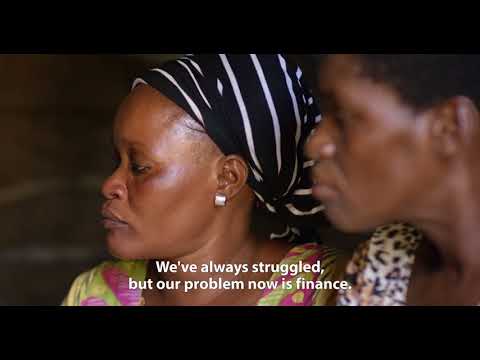
In this video, Trivinia Mwanga Mwamburi from Kenya takes you with in her fight to get the land back which was taken from her because of the expansion of large scale salt mines. The three part series 'Reality of Mine' gives a voice to women affected by mining in India, Kenya and South Africa. With the support of international NGOs Both ENDS and ActionAid, they have begun to stand up for their rights.

Disposable fashion items continue to flood into the country, the nitrogen crisis has brought construction to a standstill and energy poverty is on the rise, but Dutch politicians are contemplating their navels. These are problems that we can never solve on our own. The clothes we wear, the food on our plates, and the electricity that comes out of our wall sockets – they are all produced in global trade and production chains. With far-reaching consequences, both in our own country and far, very far beyond our borders. It would be naive to think that we can solve all these problems through domestic policies alone. And vice versa: we would be evading our responsibilities if we continued to believe that the Netherlands only plays a humble role on the global stage. Latest figures show that the Netherlands is the fourth largest exporter and the seventh largest importer of products worldwide. With the elections on the way, it is time to look beyond our own small country. Because it is also important to vote with a worldwide impact.

The supposed consent given by the indigenous population for the controversial canal through their territory is deceptive. Testimonies of the Rama and Kriol population show how the consultation process has been manipulated, and that their consent is invalid.

Indigenous communities in Paraguay saw their attempts to regain their ancestral lands thwarted by German investors. This is the level of impact that investment treaties can have on social, environmental and economic development and rights. Why? Because of the ‘Investor-to-State Dispute Settlement’ (ISDS) clauses that are included in many such treaties.
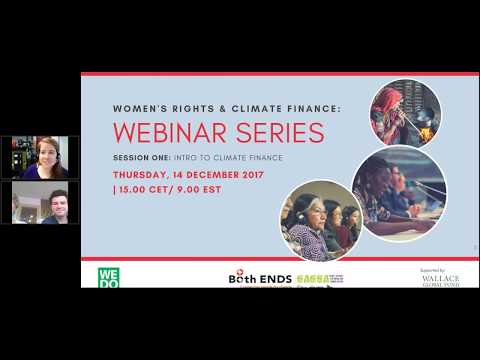
This Introduction to Climate Finance is the first of a five part series on women's rights and climate finance, aiming to build knowledge and power to ensure finance flows are benefiting local women's groups, responding to community needs and respecting human rights. This session will outline the climate finance landscape, as well as the key challenges and opportunities we hope to explore in this webinar series.

