Both ENDS



A letter written by Both ENDS, co-signed by 350.org, Australia, Urgewald, Germany, Green Alternative, Georgia, and others, with comments to the AIIB's Energy Strategy Issues note. This strategy prioritizes large scale energy infrastructure, which fails to meet the energy needs of local communities.
The AIIB has the opportunity to champion financing green energy systems for future generations by leapfrogging the large energy infrastructure that rely on fossil fuels, plantations for biomass or dams.

The Ramon Magsaysay Award, internationally referred to as the 'regional Nobel Prize of Asia' is a recognition for people who fight against poverty and injustice in a sustainable way. One of the winners of this year is Ambrosius Ruwindrijarto of the Indonesian organization Telapak, with has been a partner of Both ENDS for years. Ruwindrijarto has been campaigning against illegal logging in Indonesia for years, despite threats and violence against him from the companies he fights against.

On World Water Day 2012 (22nd of March) the United Nations awarded two environmental organisations with a "Water for Life" award for their efforts to improve water management in their region. Both ENDS' partner Environment Support Group (ESG) received an award in category 1 for "Best water management practices", for a project on protecting the Bangalore lakes in India. A second award was handed out to Soluciones Simples Que Salvan Vidas (Sodis) for developing new communication strategies to improve water management in Bolivia.
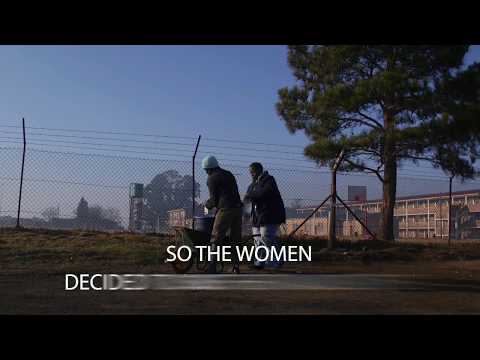
In this video we see Maria Mkhatswa, who is claiming the right of her people to have access to clean water, like they had years ago, when the coal mining industry had not yet polluted the whole area. The three part series 'Reality of Mine' gives a voice to women affected by mining in India, Kenya and South Africa. With the support of international NGOs Both ENDS and ActionAid, they have begun to stand up for their rights.
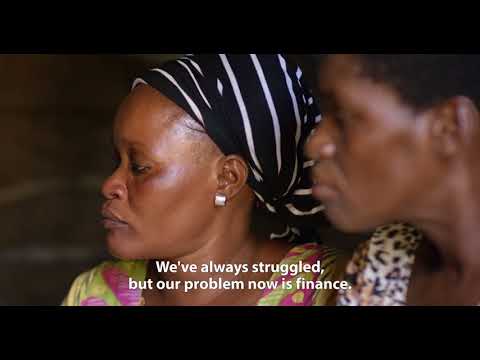
In this video, Trivinia Mwanga Mwamburi from Kenya takes you with in her fight to get the land back which was taken from her because of the expansion of large scale salt mines. The three part series 'Reality of Mine' gives a voice to women affected by mining in India, Kenya and South Africa. With the support of international NGOs Both ENDS and ActionAid, they have begun to stand up for their rights.

Was the discovery of oil in Uganda in 2005 a blessing or a curse for its poor population? Meanwhile, it's become clear that oil exploitation is a great threat to people and the environment through corruption and misuse of natural resources. Frank Muramuzi of the Ugandan organisation NAPE visited Both ENDS on January 28th to talk about the threatened lakes in the Albertine oil rift. A number of western oil companies have a permit for mining in and around Lake Albert, resulting in large scale erosion. Chances are that Uganda will suffer from the lack of regulation and legislation around this topic, and like many African countries, will go down in the battle for oil. As members of the Ecosystem Alliance, NAPE, Both ENDS, IUCN NL and Friends of the Earth are actively involved in protecting this area.

The African Development Bank (AfDB), which was founded in 1964 to stimulate economic development in Africa, has had a complaints mechanism since 2006. Individuals who have somehow been affected by projects financed by the AfDB can make an appeal to this mechanism. Yet, according to a large number of African and international organisations, this system has its weaknesses and there is much to improve. How exactly? Well, the organisations have recently presented their recommendations to the AfDB. Anouk Franck of Both ENDS coordinated this process.

Syngenta , global producer of seeds and agrochemicals, will become an ' observer ' within the UN Convention to Combat Desertification ( UNCCD ). This was decided last week during the annual meeting in Windhoek , Namibia and caused indignation among civil society groups. Groups that were present started a joint diplomatic protest. Our Both ENDS-colleague Nathalie van Haren took a leading role in this protest and was the spokeswoman towards the media. She explains what it was all about.

