Both ENDS




From the first moment I arrive in Surabaya, I enter the rollercoaster called ECOTON. I'm visiting them to get to know the work of this long-time Both ENDS partner, and have only three days for this. But ECOTON does a lot, and all of it at the same time. Tirelessly, they work on the protection of the Brantas River.
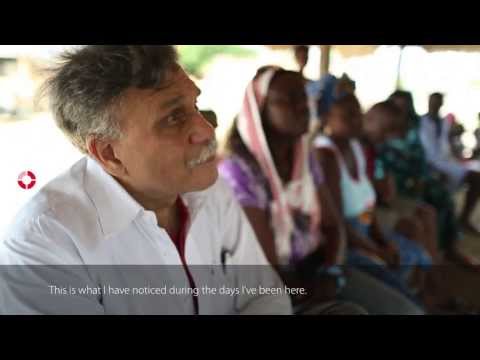
In this short movie we follow Indian professor Vijay Paranjpye, who has dedicated his life and work to finding ways of involving local communities in the management of natural resources such as water. What is the Negotiated Approach and what has been achieved so far? This film takes us to India and to Benin to show both results and possibilities.

The Netherlands is well on its way with the energy transition at home, but our country continues to encourage Dutch investments in fossil projects elsewhere. This is obviously not in line with the climate goals and, moreover, these kinds of projects cause major problems in the countries where they take place. What can a new cabinet do to reduce the Dutch footprint abroad? Ellen Mangnus discussed this with several experts: today part 2.

The parliamentary elections in the Netherlands are over, and the dust has somewhat settled. No matter what government emerges from the process, one thing is clear: in the Netherlands the main focus is on the Netherlands. Foreign affairs were hardly mentioned during the elections and the same applies to the process of forming a new coalition. More alarmingly, some of the winners in the elections want to cut themselves off even further from the world around us.

In the weeks following the elections, Both ENDS is looking at how Dutch foreign policy can be influenced in the coming years to reduce our footprint abroad and to work in the interests of people and planet. We will be doing that in four double interviews, each with an in-house expert and someone from outside the organisation.

In various countries in the Sahel, vast tracts of land have been restored by the local population by nurturing what spontaneously springs from the soil and protecting the sprouts from cattle and hazards.

Ondiri wetland in Kenya will host the official national World Wetlands Day
celebration on the 2nd of February. This news was received with much joy by the residents of Kikuyu Town and conservationists. For many years, Ondiri Wetland was
polluted and degraded, especially due to encroachment and greenhouse farming. But thanks to sustained and concerted efforts by the residents together with a broad range of governmental and non-governmental stakeholders, the conservation of this critical wetland is now being secured. Violet Matiru from Kenyan organisation Millennium Community Development Initiatives (MCDI), finds it a great honor that Ondiri was selected for the celebrations. "The cherry on the pie!"

The Wetlands without Borders programme aims to preserve the biodiversity of the La Plata Basin and the sustainable livelihoods of its communities. Preservation of the La Plata Basin is essential for protecting the region from flood and drought, and preserving the quality of life of its inhabitants. Click here for the programme's website and for the latest information.
The Wetlands without Borders programme aims to preserve the biodiversity of the La Plata Basin and the sustainable livelihoods of its communities.