Both ENDS




In Ghana, the effects of climate change are already tangible, just like in many countries around the world. How to ensure that these different experiences are heard and known by the Ghanaian government so that it will take actions that have a positive effect on people and their environment? And how to make local communities aware that they can hold the government accountable - and even have the responsibility to do so? During COP26 in Glasgow we spoke with Kenneth Nana Amoateng (47) and Richard Matey (30). Kenneth works at the AbibiNsroma Foundation, a local NGO, and took it as his mission to advocate for a healthy environment, climate change, and to give young people opportunities. Richard is part of that younger generation and works at the Alliance for Empowering Rural Communities in Ghana.

Last June, Both ENDS published a report which showed clearly that, through export credit insurance provider Atradius Dutch State Business (ADSB), the Netherlands is supporting the fossil fuel sector on a large scale. Between 2012 and 2015, ADSB provided billions of euros in insurance and guarantees, on behalf of the State of the Netherlands, to fossil-related export projects. This support is completely out of line with the Paris Climate Agreement. On 20 June, members of parliament Lammert van Raan (PvdD) and Sandra Beckerman (SP) submitted questions to the State Secretaries for Finance and for Infrastructure and the Environment.

To address the climate crisis we need to urgently transition away from fossil fuels towards clean, renewable energy. However, this transition is not only about changing energy sources. It requires an inclusive and fair process that tackles systemic inequalities and demanding consumption patterns, prioritizes environmental and social justice, and which does not repeat mistakes from the past.
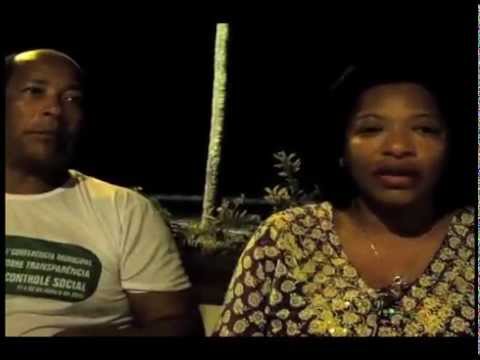
This video tells the story of the families that were forced out of there homes and evicted from their lands in the Suápe region in Brazil. The local authorities have decided to expand the shipyard and the sea-harbour, but they have failed to take into account the negative impacts on the local people and their environment. Dutch company Van Oord is executing part of the dredging, supported by export credit agency Atradius DSB.
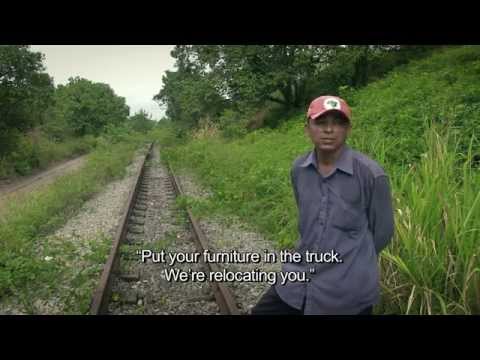
This video tells the story of the families that were forced out of there homes and evicted from their lands in the Suápe region in Brazil. The local authorities have decided to expand the shipyard and the sea-harbour, but they have failed to take into account the negative impacts on the local people and their environment. Dutch company Van Oord is executing part of the dredging, supported by export credit agency Atradius DSB.

Together with civil society organisations from all over the world, the Fair Green and Global (FGG) Alliance aims for socially just, inclusive and environmentally sustainable societies in the Netherlands and the Global South.

On Friday 14 March, the French Public Prosecutor's Office announced that it would launch an official investigation into TotalEnergies’ involvement in involuntary manslaughter during the attacks on Palma, the location of their LNG project. This umpteenth abuse makes it clear that the Netherlands cannot in any way provide public support for this project.


