Both ENDS




Within the context of the upcoming G-20 summit in the United States, Both ENDS, SOMO, Tax Justice and Oxfam Novib wrote an open letter to Prime Minister Balkenende. On September 24-25 he will represent the Netherlands in meetings with nineteen world leaders and heads of international financial institutions about combating the global crisis.

Last week the Agricultural Investment Summit took place in London, seeking to promote land as an emerging and expanding investment opportunity. Civil society organisations are concerned that this could lead to further land grabbing, threatening the livelihoods and food security of countless local communities in the global South. In a joint civil society statement Both ENDS urges pension funds and other financial institutions to stop such damaging investment practices.

Song Trangh 2 Dam in Quang Nam (Vietnam) is leaking. This poses a serious danger to local communities and their livelihood. There is little room for any public debate about the problems, despite the local populations' deep concerns. To try and find a solution, Both ENDS' partner organisation Vietnam Rivers Network (VRN) organised a workshop in cooperation with authorities and experts.

In 2007 five protesters perished in demonstrations against the 'give away' of Mabira forest in favor of sugar cane production. Last week president Museveni called for a 'solution' and named demonstrators 'economic saboteurs'. Both ENDS partner NAPE and it's director Frank Muramuzi are ready to continue the struggle for Mabira.

Pieter Jansen, programme officer at Both ENDS, interviewed Sukanta Sen from the Bangladesh Resource Center for Indigenous Knowledge (BARCIK). BARCIK is an NGO that works in the field of environment, biodiversity conservation and development. They have been promoting the significance of local and indigenous knowledge in development initiatives as well as the empowerment process of local and indigenous communities.
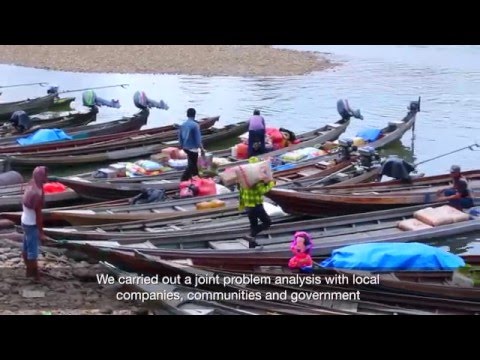
Indonesia has many rivers, but clean water is increasingly scarce. To address the Indonesian water crisis, Both ENDS and 3 Indonesian civil society organisations initiated IndoWater Community of Practice. IndoWaterCoP is born out of concern that the implementation of Indonesian water resource management is failing. It aims to assist Indonesian government to improve its performance.

Earlier this week, EU Commissioner for Trade Cecilia Malmström presented a set of proposals for reforming investment protection standards and the dispute settlement mechanism ISDS (investor-to-state arbitration). The Seattle to Brussels Network (S2B), of which Both ENDS is a member, thinks that Malmström’s proposed adjustments are not far-reaching enough. They will not significantly reform the ISDS system. The organisation has published an analysis report on this.


