Both ENDS




After five years of equivocation the European Commission has proposed a ‘roadmap’ for stepping-up EU action to address its contribution to global deforestation. Despite the escalating impact of EU trade in forest-risk commodities, regardless of repeated calls from the European Parliament for regulatory measures and contrary to the conclusions of the Commission’s own feasibility study in support of legislative intervention, the Commission has ruled-out out any new initiatives, let alone any legislative measures. The Commission’s solution to this complex problem: policy coherence.

This week, from 12 until 16 February, fourteen indigenous leaders and human rights defenders from forest countries came to the Netherlands to call upon Dutch policy makers to take serious action against human rights abuses, land grabbing and further deforestation in relation to large scale agriculture, timber logging and mining. The Dutch harbours of Rotterdam and Amsterdam receive enormeous amounts of soy and palm oil, both for the Dutch market and for further transport into Europe and elswhere.

Last week, indigenous leaders from various countries were in Paris to urge action on deforestation and human rights abuses at the multi-stakeholder meeting of the Amsterdam Declarations Partnership. The group, invited by Forests Peoples Programme and Both ENDS, presented a publication 'Supply chain solutions for people and forests' containing a set of practical recommendations from local communities on how to make supply chains more sustainable and fair.
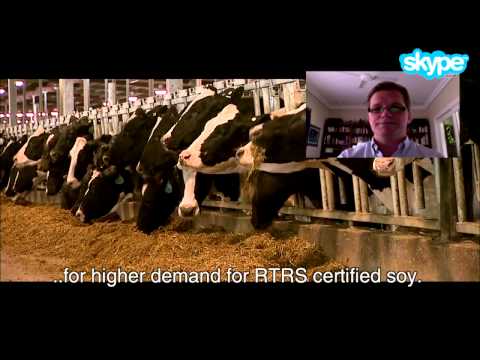
The impacts of large-scale soy and palm oil production explained by local experts.

Two weeks ago, the Monsanto Tribunal took place in The Hague. With this civil tribunal, activists from all over the world aim to add 'ecocide' as a crime in international laws. Zinaba Rasmane from Burkina Faso states that "currently we can't sue multinationals like Monsanto in our country for the damage they are causing."

By 2020, the EU wants a larger percentage of fuel used for transportation to consist of renewable sources, such as biofuel. Many European countries have therefore made the blending of biofuels in diesel and gasoline mandatory. A large proportion of this biofuel is now palm oil.



