Both ENDS




Last June, after months of negotiations in five different 'climate roundtables', the Dutch government presented its Climate Agreement . Negotiations had taken place in a roundtable for 'industry', for 'built environment', for 'electricity', 'mobility' and for 'agriculture and land use'. Climate measures that the Netherlands can take within its borders are pretty much covered by these climate roundtables. But the Netherlands also has a huge climate footprint outside its borders. It seems we have forgotten about the 'International' Climate Roundtable.
Reward high-risk international business projects investing in a green future and stop support for the international fossil industry
The climate is 'hot'. Everyone is talking about it. 'Everyone needs to do something' calls the government in its recently started public campaign. Good plan. Let's really do something. For a start, we can stop supporting international trade in fossil energy by our own multinationals. That would free up 1.5 billion euros which we could use to combat climate change on an international scale and at the same time give our own innovative businesses a boost. Today's Vergeten Klimaattafel (Forgotten Climate Roundtable) will discuss the opportunities for the Netherlands to have a real impact. And those opportunities are enormous. Because our big money and our influence lie beyond our borders.

Export credit agencies (ECAs) play a central role within the complicated web of global development finance. In 2018, Both ENDS invested in strengthening cooperation among organisations working on ECAs, building a strategic global collaboration to stop ECAs' support of fossil fuels and improve their environment and human rights record.

In 2017 Both ENDS stepped up its efforts to stop the Dutch government from supporting the fossil fuel industry. Phasing out fossil fuels is key to achieving the goals set in the Paris Climate Agreement. To Both ENDS, there is another reason: fossil fuel-related projects often have disastrous effects for the poorest people in the Global South.

Atradius Dutch State Business (Atradius DSB) remains responsible for observing social, environmental and human rights, also after providing export credit insurance. That is the conclusion of the Dutch National Contact Point (NCP) for the OECD Guidelines in its final statement, which was published today. Both ENDS issued a press release about this.
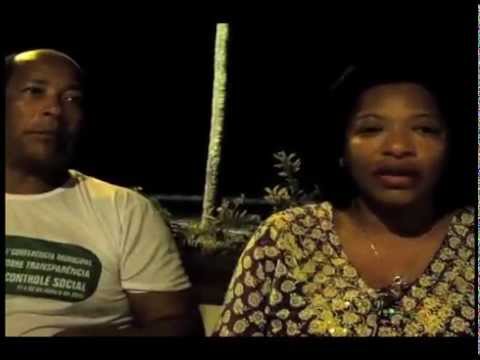
This video tells the story of the families that were forced out of there homes and evicted from their lands in the Suápe region in Brazil. The local authorities have decided to expand the shipyard and the sea-harbour, but they have failed to take into account the negative impacts on the local people and their environment. Dutch company Van Oord is executing part of the dredging, supported by export credit agency Atradius DSB.
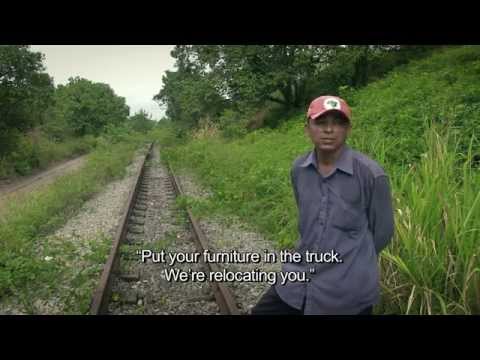
This video tells the story of the families that were forced out of there homes and evicted from their lands in the Suápe region in Brazil. The local authorities have decided to expand the shipyard and the sea-harbour, but they have failed to take into account the negative impacts on the local people and their environment. Dutch company Van Oord is executing part of the dredging, supported by export credit agency Atradius DSB.


