Both ENDS




Tidal rivers in the southwest coastal area of Bangladesh have been dying since flood plains were replaced by Dutch-style polders in the 70s. Rivers are silted up, and during monsoon season water gets trapped within embankments. Every year, this situation of waterlogging inflicts adverse consequences particularly on women, as they take care of the household in waterlogged conditions in the absence of men who travel to the city in search of temporary work. NGO Uttaran is advocating for a change in policy and practice.

The water quality of East Java's largest river, the Brantas River, is increasingly deteriorating due to a combination of industrial and household waste. This environmental pollution has a disproportionate impact on women. Yet, their participation in decision-making remains lacking. ECOTON is working to improve the situation.

Local communities in the southwestern coastal region of Bangladesh—together with an international consortium including Uttaran, CEGIS, and Both ENDS—have presented a community-led plan to confront climate change and accelerating sea-level rise through nature-based adaptation. The People’s Plan for Upscaling Ecosystem-Based Adaptation outlines a scalable strategy rooted in local ownership and generations of lived experience. At its centre is Community-Based Tidal River Management (CBTRM), a proven approach that reduces waterlogging, raises land elevation, and restores ecological balance by working with natural tidal and sediment dynamics.

With our Wetlands without Borders program, we work towards environmentally sustainable and socially responsible governance of the wetlands system of the La Plata Basin in South America.
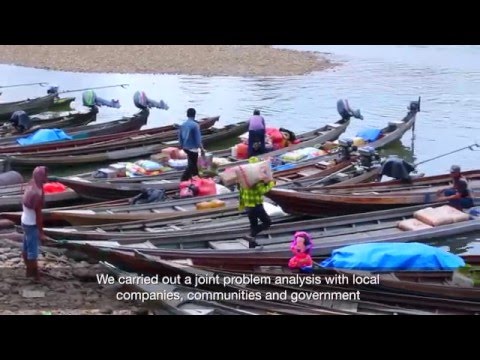
Indonesia has many rivers, but clean water is increasingly scarce. To address the Indonesian water crisis, Both ENDS and 3 Indonesian civil society organisations initiated IndoWater Community of Practice. IndoWaterCoP is born out of concern that the implementation of Indonesian water resource management is failing. It aims to assist Indonesian government to improve its performance.

The Indonesia Water Community of Practice (IndoWater CoP) was declared on December 3, 2014 by a group of Indonesian NGOs whose members felt very concerned about the poor management of Indonesia's water resources due to a lack of integrated planning on river basin management, community participation and law enforcement.

Halls filled with booths, stands, professionally set up corners, wifi-spots. Big rooms where lectures, interactive sessions and workshops are held. People from all corners of the world and from different kinds of sectors (companies, government, and social organisations) are gathering here for five days. They have one thing in common: they are talking about water. The sixth World Water Forum in Marseille is about 'solutions'. For water issues, that is. Almost a billion people worldwide have to cope without clean drinking water.

