Both ENDS




Good news for the climate: last week, the European Investment Bank (EIB) decided to stop investing in fossil fuels by 2021. This is part of its new energy strategy.

A year ago, the Senegalese NGO Takkom Jerry filed a complaint with the African Development Bank (AfDB) and the Dutch Development Bank FMO, with support from Both ENDS. These banks finance the Sendou coal power station, right next to the fishing village of Bargny. The AfDB has now recognized the complaint. FMO is already processing the complaint and will publish an official response shortly.

The European Investment Bank (EIB) has published its new policy for energy investments. In the new draft policy, the bank states to stop investing in fossil fuel related projects from 2020. This is good news for the climate, so Both ENDS and partners are happy with this draft policy. The shareholders of the bank, the member states of the European Union, still have to approve it.

On Thursday, November 29, seven suspects of the murder of Berta Cáceres (in March 2016) were found guilty. Members of the indigenous human rights organisation COPINH, of which Cáceres was the leader, and close relatives of Cáceres herself see the ruling as the first step towards justice for her murder and the recognition that the company DESA is co-responsible for this. They also point out, however, that the process was permeated with corruption, intimidation and other abuses from the very beginning, and that the masterminds behind the murder are still walking around freely.
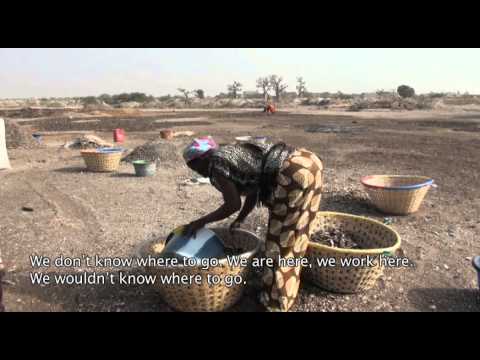
Senegal is one of the countries with the highest amount of effective sunshine on earth. Instead of using the 3000 hours of sunshine a year as a source of energy, 2 new coal fired power plants are now being built with the help of the Dutch development bank FMO, using public money. This video shows the consequences for the local population.

On September 20th FMO published its new position statements on human rights, land governance and gender. We appreciate that FMO takes human rights serious and applaud the efforts that have been made to come to an improved position on human rights, land and gender. However, to truly have a positive impact on people and the environment, some important follow up steps are necessary.
Both ENDS letter to the World Bank on the Environmental and Social Safeguards policies review. The World Bank safeguards review is part of a reorganization that aims at making lending cost-effective with less rules in place, which likely entails an increase in the number of problem projects. The reorganization aims at making lending
more cost-effective, forms in place. Safeguards policies are of crucial importance for project affected people to hold banks to account. However, Environmental and Social Frameworks (ESF) nowadays replace safeguards at banks. The ESF model leads to a reduction of a Bank's direct and mandatory role in overview, including due diligence, monitoring, and evaluation, of Bank funded activities and investments, along with a shift towards a greater reliance on client self-assessment and self-reporting. Our main ask is a return to binding, rules-based safeguards policies at banks.


