Both ENDS



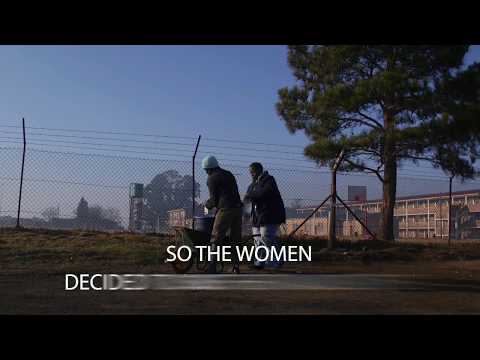
In this video we see Maria Mkhatswa, who is claiming the right of her people to have access to clean water, like they had years ago, when the coal mining industry had not yet polluted the whole area. The three part series 'Reality of Mine' gives a voice to women affected by mining in India, Kenya and South Africa. With the support of international NGOs Both ENDS and ActionAid, they have begun to stand up for their rights.
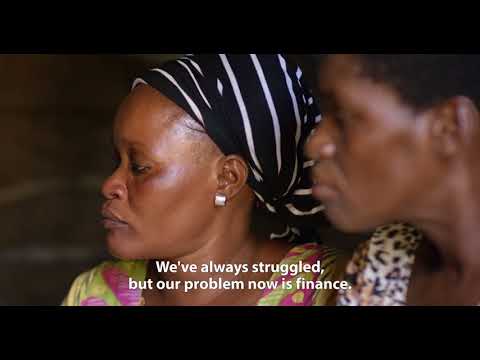
In this video, Trivinia Mwanga Mwamburi from Kenya takes you with in her fight to get the land back which was taken from her because of the expansion of large scale salt mines. The three part series 'Reality of Mine' gives a voice to women affected by mining in India, Kenya and South Africa. With the support of international NGOs Both ENDS and ActionAid, they have begun to stand up for their rights.
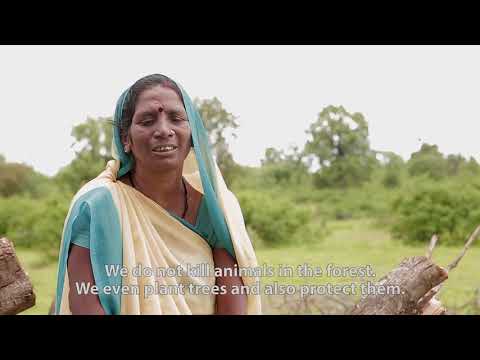
This short video takes you to Panna, India, where traditional adivasi women successfully oppose forced evictions. The three part series 'Reality of Mine' gives a voice to women affected by mining in India, Kenya and South Africa. With the support of international NGOs Both ENDS and ActionAid, they have begun to stand up for their rights.

On June 5th, World Environment Day, community members at the southern coast of Guatemala protested against the rapid spread of large-scale palm oil, sugar cane and banana plantations in their region. Utz Che', our local partner organisation, joined the march.

Today is International Women's Day. A day originating from women's strikes against poor working conditions in the textile industry, some 100 years ago. Since then, a lot has improved for women but, unfortunately, men and women obviously still don’t have equal rights. In 1949, Simone de Beauvoir already warned that ‘women’s rights will never be vested. You have to stay vigilant your whole life’. Recent developments such as the tightening of abortion laws in some countries confirm this view and show that even in the ‘free West’ women’s rights are still far from self-evident.

As we celebrate both the 30th anniversary of the UN Declaration on the Right to Development (December 4th) and Human Rights Day (December 10th), Both ENDS joins with communities and civil society groups around the world to call on development finance institutions, governments, and businesses to take 3 steps to stand up for Human Rights in development.

Both ENDS, MamaCash and FCAM are proud to contribute to the 'Adaptation Futures 2016- conference'.
Adaptation Futures is the biennial conference of the Global Programme of Research on Climate Change Vulnerability, Impacts and Adaptation (PROVIA). In 2016 the European Commission and the Government of the Netherlands co-host the fourth edition. Adaptation Futures 2016 is where scholars, practitioners, policymakers and business people from all around the world go to connect, learn and inspire. It highlights adaptation practices and solutions for people, governments and businesses. The programme addresses all sectors and all parts of the world.
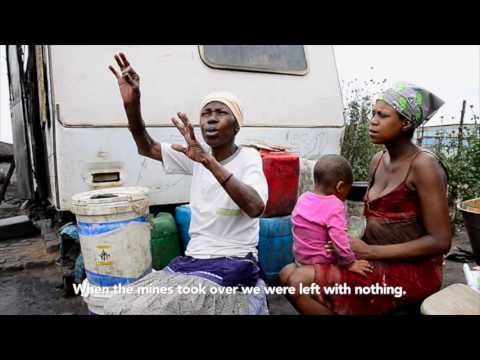
The population of the informal settlement Masakhane, South Africa is highly affected by the pollution and environmental damage caused by the the coal-fired Duvha power station. Before the mining and power station developments, families had access to and control over the land, even if they did not own it. Farming used to be the main source of livelihood. Today, mining companies and investors own most of the land, and as a direct consequence people have lost a lot of their farming and grazing land. This video shows testimonies of victims and their efforts to turn the tide.

