Both ENDS



From free trade agreements to the primacy of gross domestic product, from Export Credit Agencies to fossil fuel companies, many systemic obstacles and powerful actors stand in the way of realising our vision of an environmentally just world. An essential part of our work is to counter these obstacles and actors, and address and heal the harm they cause so that people-led, environmentally just practices and decision-making processes can flourish.
Communities around the world face gross environmental and human rights violations, including forced displacement, dispossession and violence, as a result of extractivism and large-scale infrastructure projects, including those that are driving an unjust energy transition. These destructive projects regularly involve Dutch, European and international multinationals and investors, often with the backing of public financial institutions. Precious public resources are increasingly being siphoned-off to support corporate interests.
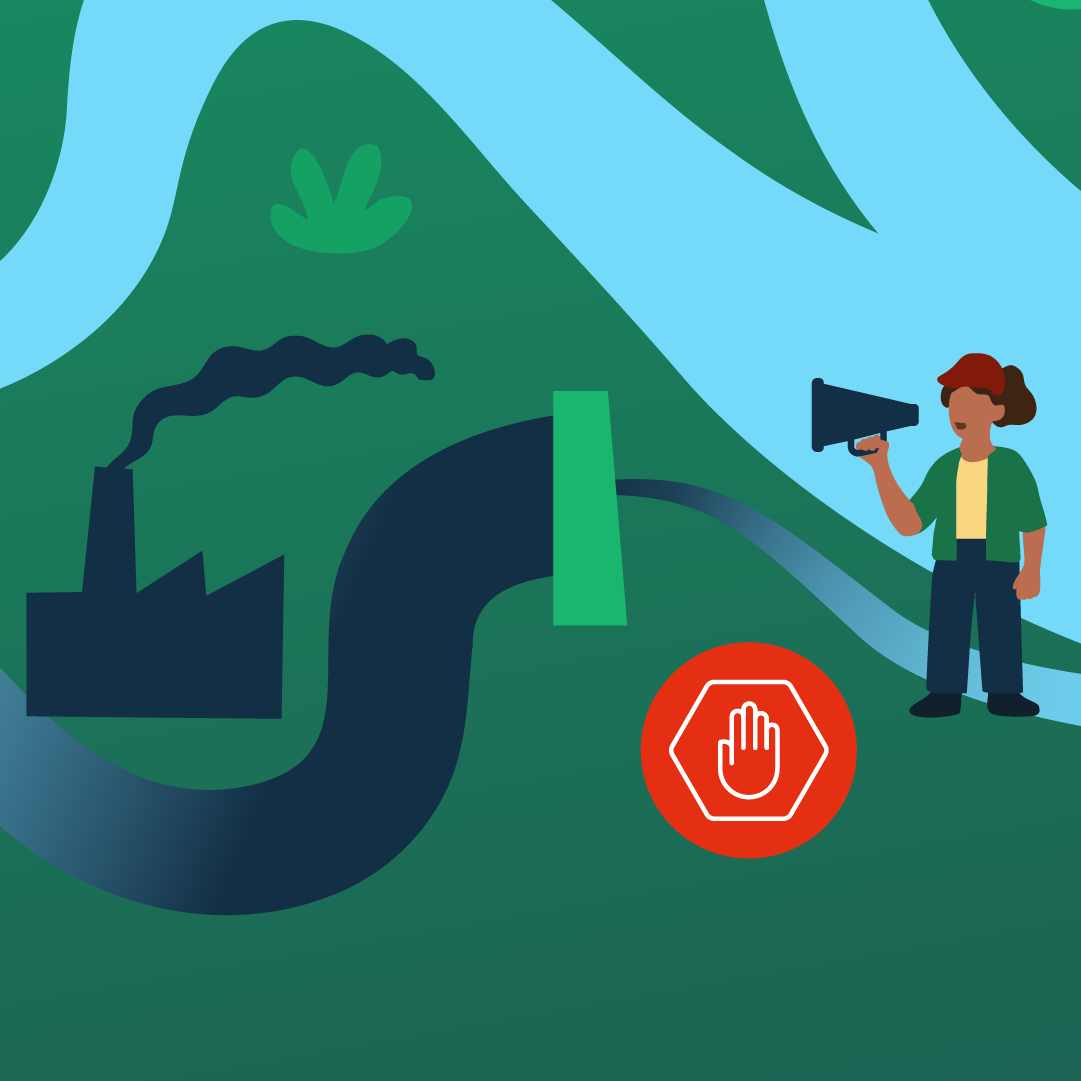
Both ENDS will continue to work closely with partner organisations to support communities in defending their rights. We will provide both financial and non-financial support to affected communities, including collaborating with them to monitor harmful projects, and to resist and counter threats or the incidence of human and environmental violations. We will do this by making use of complaint mechanisms, facilitating negotiations between communities and decision-makers, and calling out institutions involved in violations.
Both ENDS leverages its position and presence in the Netherlands, Europe and international spaces, to advocate toward economic actors on the need to comply with existing laws, directives, regulations, guidelines, and other national and international standards. Our long-term collective advocacy and pressure around specific cases has brought about important results at both the local level and in policy, such as FMO’s divestment from the Agua Zarca dam project in Honduras and its policy to increase transparency for high-risk investments. We aim to expose and make injustice visible, so that systemic nature of problem is clear and the urgent need for change is recognised. We advocate to ensure that Dutch, EU and key international policies are informed by the experiences and expertise of our partners.
Extractive, agri-commodity and large-scale infrastructure projects are often linked to repression and reprisals towards people who dare to speak out against injustice. Both ENDS supports (women) environmental human rights defenders by amplifying their voices and increasing their visibility and access to decision-making bodies and international networks. Through our System of Care (see Objective 1), we provide support in response to immediate safety threats or the development of long-term safety management strategies.
In recent years, alongside support for collective security and well-being, we have learned from our partners about the importance of healing in response to harm and injustice, including bodily and psycho-social harm, as well as environmental destruction. We have created spaces for women environmental human rights defenders to share their experiences of structural violence and articulate their needs. In the Niger Delta, we have supported communities in their efforts to restore the environmental destruction left behind by the retreating oil sector. In Suape, Brazil, we have supported communities to rebuild agroecological livelihoods in the wake of destructive land reclamation and port development. Going forward, we will step up our efforts to foster these kinds of collective care and healing processes for both people and ecosystems.