


Organic wild rooibos in South Africa’s dryland
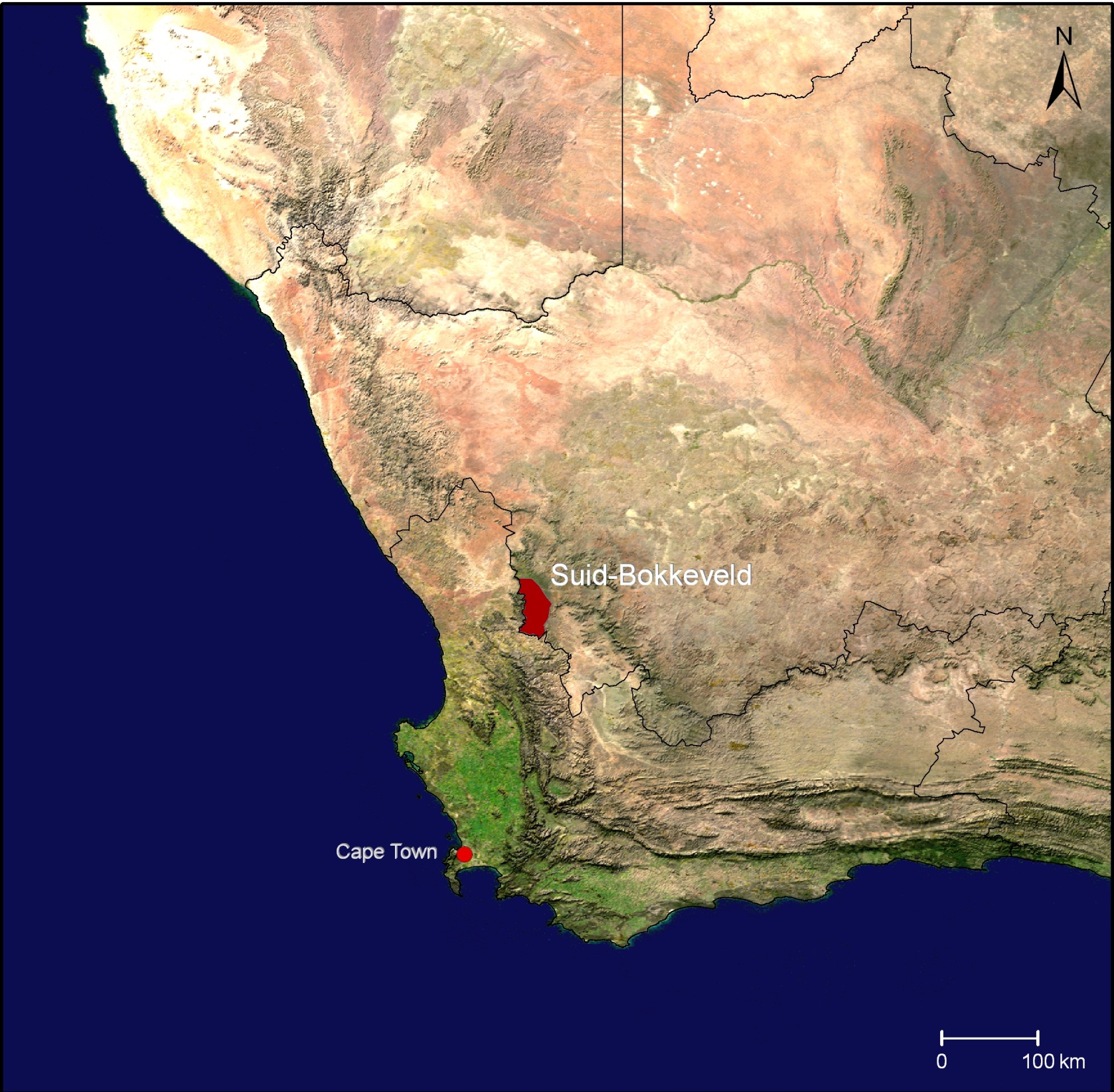
South Africa is the home of rooibos, an ancient, health giving herbal infusion, discovered thousands of years ago by the KhoiSan, indigenous peoples of the Southern part of Africa. During the last century, rooibos has been increasingly commercialised, mainly by white South African farmers who produce it on a very large scale, causing environmental damage, soil erosion and loss of biodiversity. Fortunately, small-scale, environmentally sound and community-led rooibos cultivation initiatives also exist. Our long-standing South African partner Environmental Monitoring Group (EMG) has, for more than two decades, been involved in this type of rooibos cultivation with the communities in the Suid Bokkeveld, in the western part of South Africa. Although it was not always easy, Noel Oettle, senior advisor at EMG, thinks this way of producing is the future.
Tell me something about this area and the people who live there
"The Suid Bokkeveld is a harsh area, where in summer the sun burns and dries up the land and in winter frost and cold rains are predominant. Not an easy place to survive, but at the same time an area of gentle springs and amazing biodiversity. The periodic drought, winter cold and spring rains combined with acidic soils provide an ideal habitat for drought-resistant plant species such as rooibos."
"The area is home to a community of small-scale rooibos farmers who have been living there since ancient times. Unfortunately, due to climate change, predictions for the area on both the short and the long term are not very promising: higher temperatures, more extreme weather events, more and longer drought periods, later start and earlier close of the rainy season and an overall reduction of winter rains. The communities in the Suid Bokkeveld have been experiencing these negative effects of climate change for decades already. It has become increasingly difficult to cultivate crops and make a living, because of the droughts and unpredictable weather conditions."
So, when did EMG come into the picture?
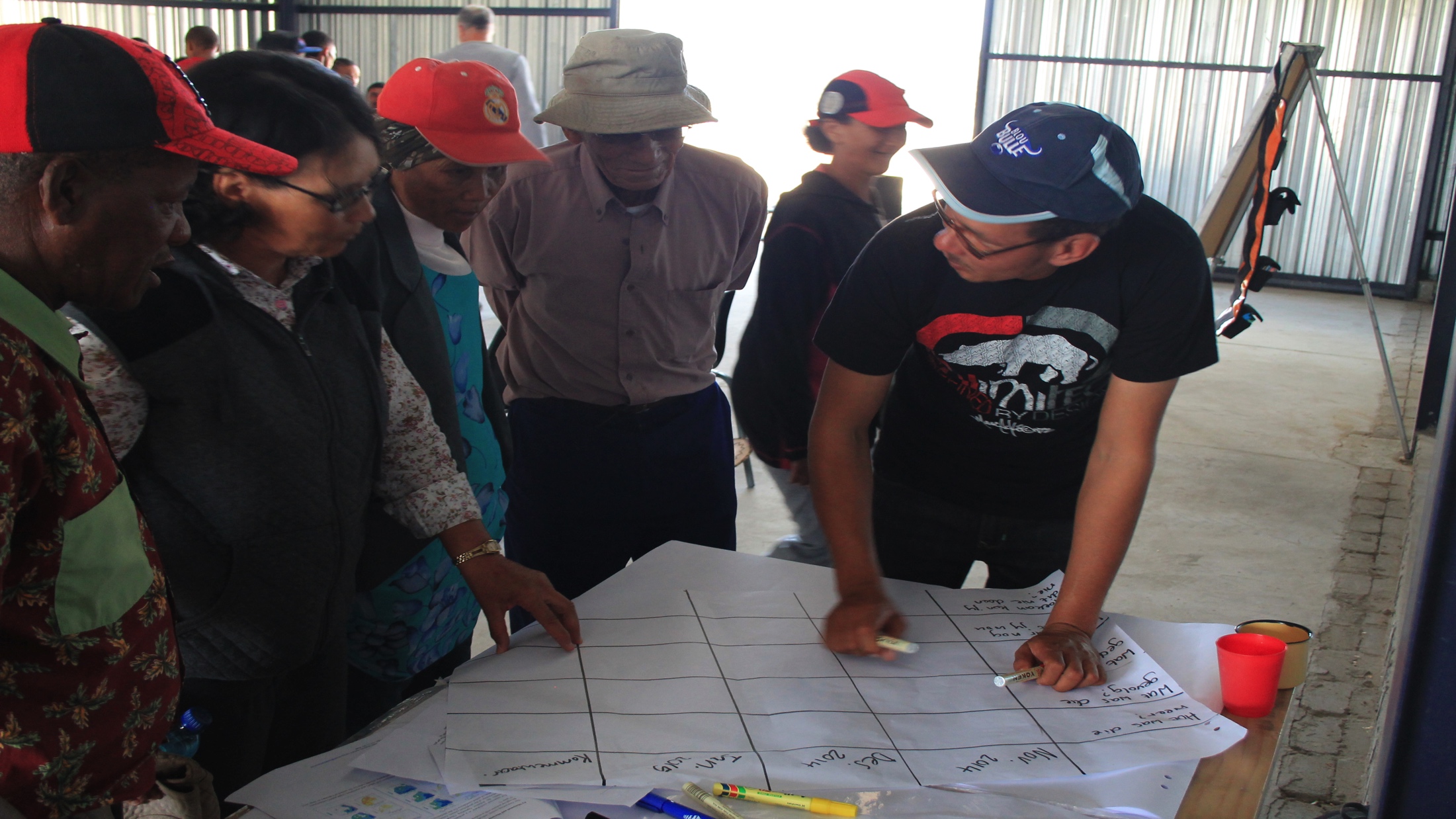
"In 1998, the Suid Bokkeveld communities asked EMG for support. We facilitated a process with members of the community to assess what the problems were and what would be the process to find solutions. We jointly decided that so-called 'participatory action research' would best serve the purpose. This approach has many more benefits, but in short it is a cooperation between communities and academics to jointly implement a circle of planning a change, acting and observing the process and consequences of the change, reflecting on them, and then replanning, acting and observing, reflecting, and so on...."
"Our main goal was to find ways to adapt to the new reality of changing climatic conditions, while making use of the natural elements that were already there. Farmers exchanged their traditional knowledge and incorporated new findings from science to improve the ways that they produce rooibos and conserve soils and biodiversity. Together, we improved and optimised these methods to get the best results."
EMG also supported the communities to found a cooperative, right?
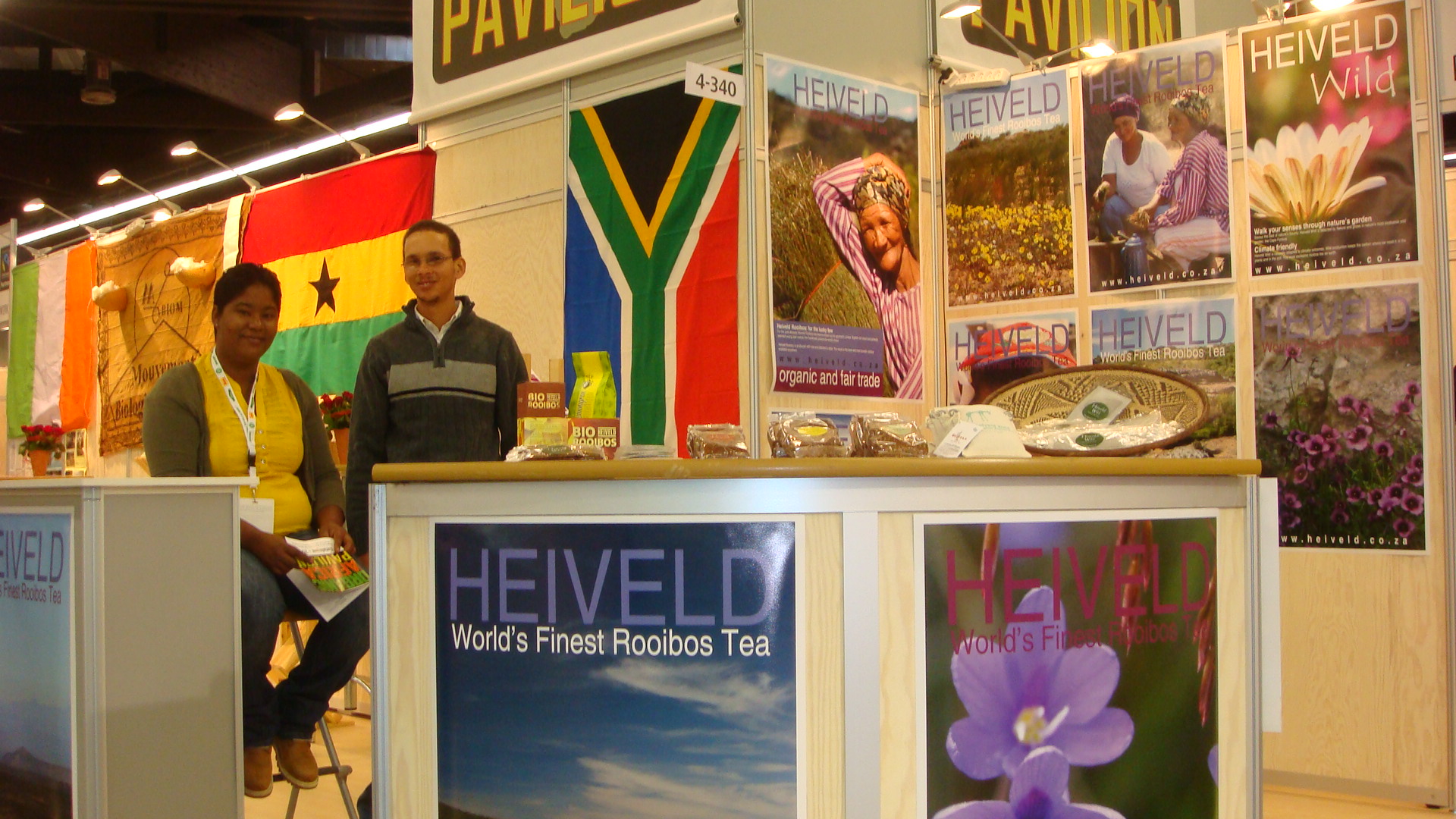
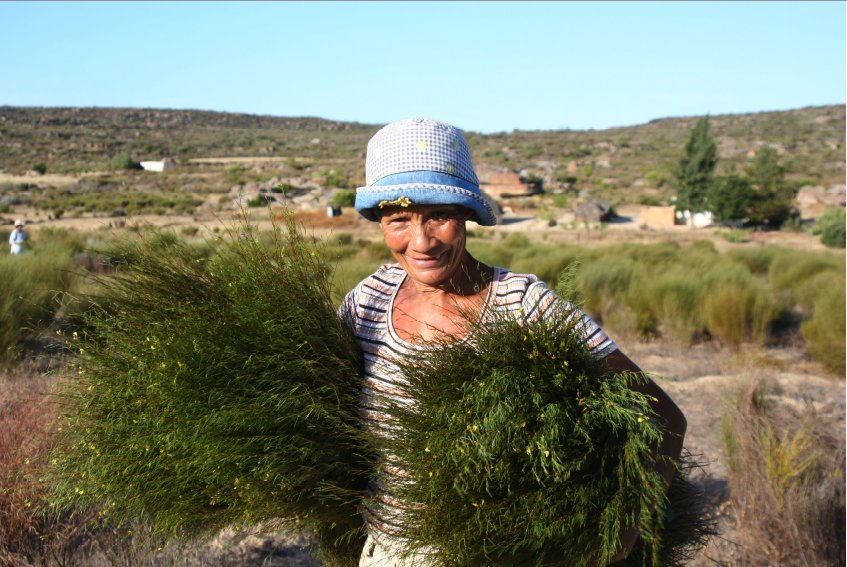
"Yes, in 2001 the communities founded Heiveld Cooperative and started producing organic certified rooibos. At the time 14 farmers were member of the cooperative, now it has 74 members. In 2004, Heiveld obtained its own organic and Fairtrade certification. By 2014, Heiveld exported rooibos worth 4,5 million Rand (around 400,000 USD at the time) and in 2015 it exported R5 million worth of rooibos to countries in the global North! Unfortunately, from 2015 until 2018 the region has been hit by severe drought. Yields failed and production decreased enormously."
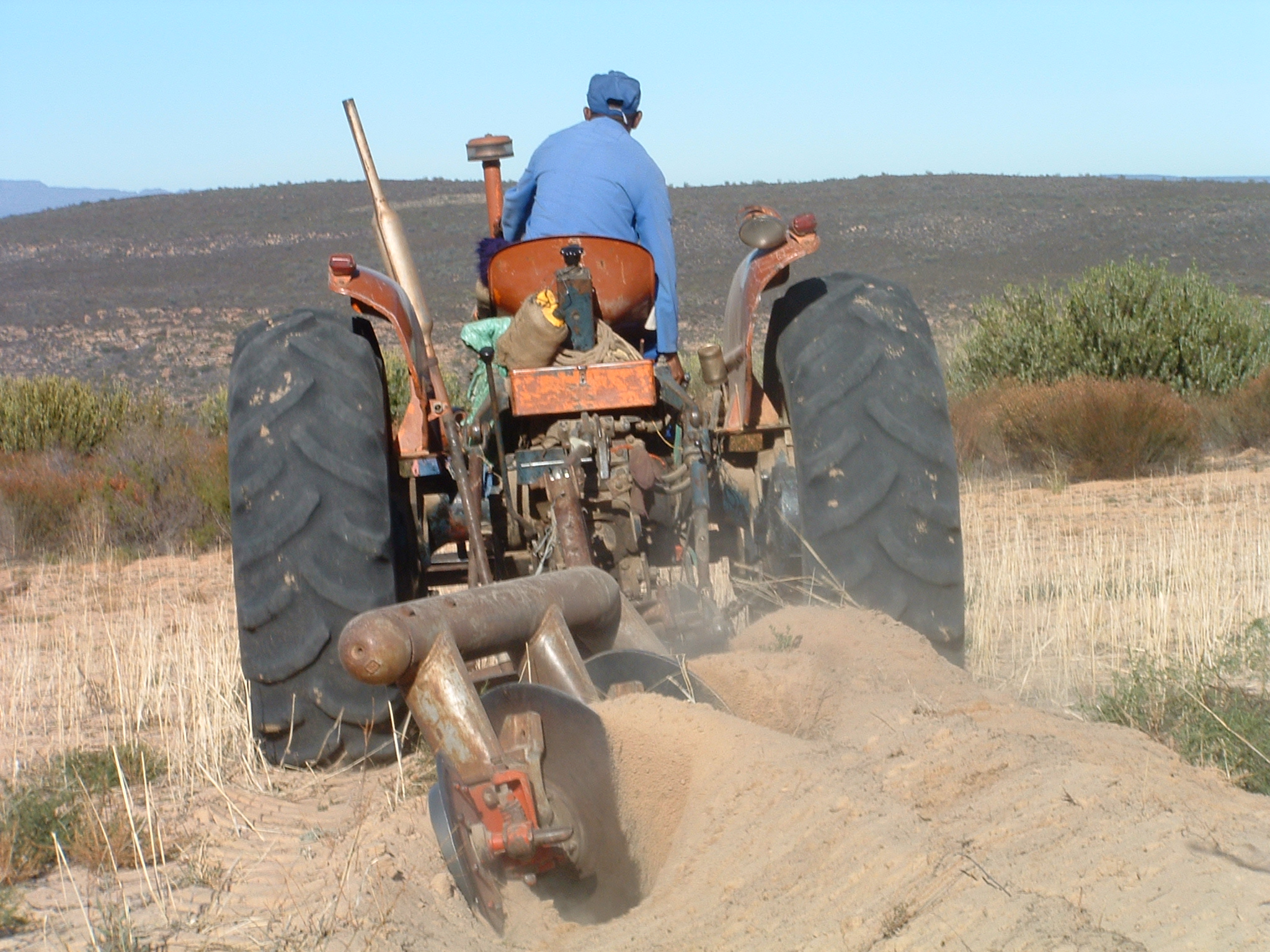
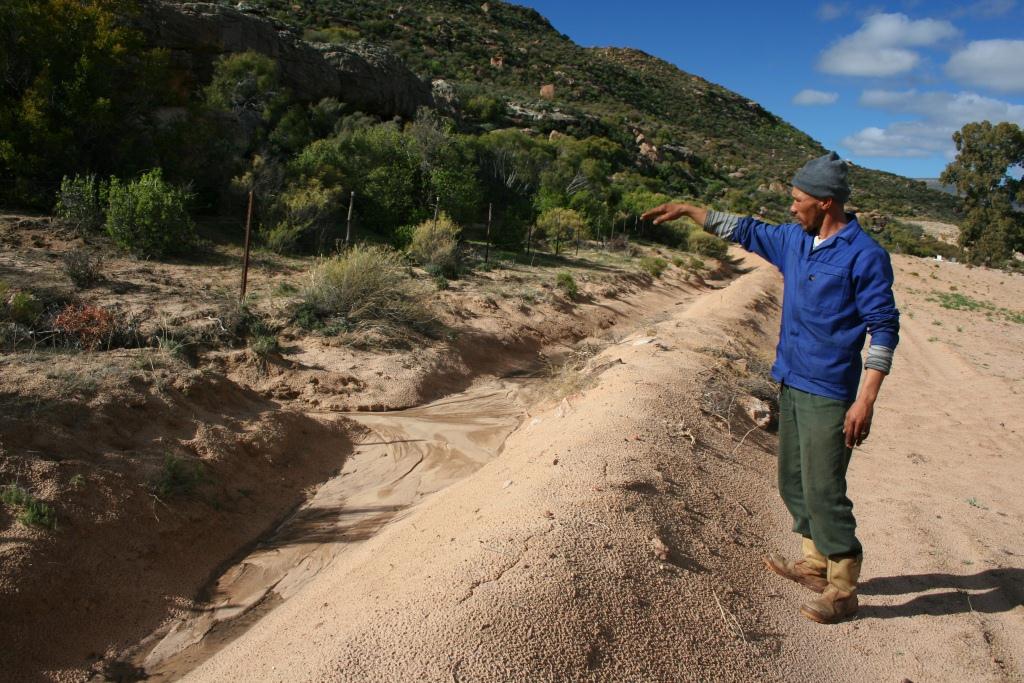
"As a reaction to these droughts, the Heiveld Cooperative has been hosting a project, funded through the small grants facility of the Adaptation Fund. The project enabled farmers to further increase their knowledge and capacities, and to test ways to "climate proof" their rooibos production such as mulching and applying minimum tillage approaches. The whole planning and production process is participatory, and farming families share 25% of the costs."
Why is this project special, what are its merits?
"It's a participatory, community-led adaptation project. It is low-cost and builds upon the knowledge and practices that are already there. It is very accessible for farmers and – although it's a bumpy road – it is very effective. This had inspired other farming communities to replicate it."
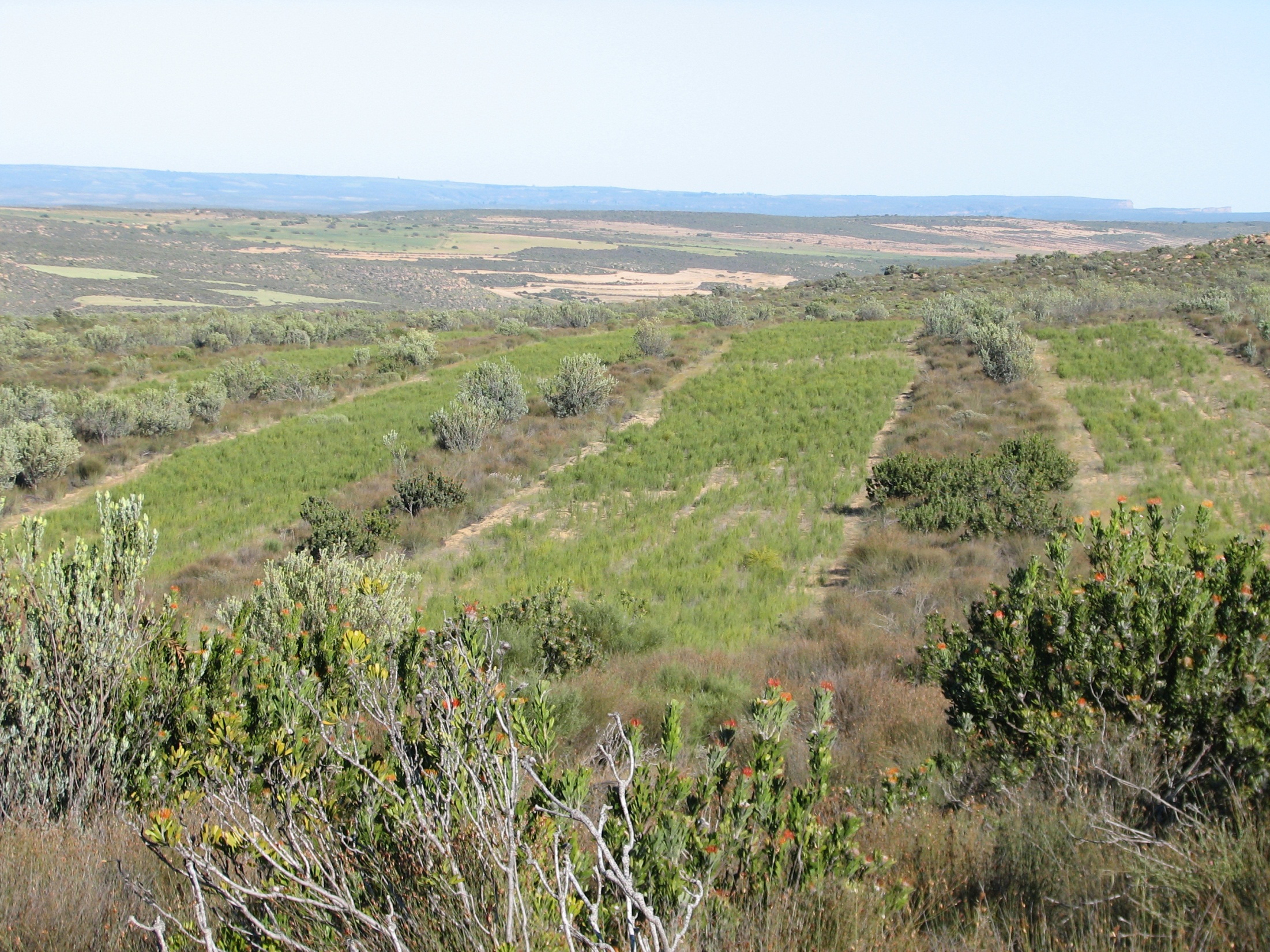
"In 2017, the co-operative's fair trade trading partners in the global north supported a campaign that enabled the Cooperative to purchase a 2,500 property to improve access to land for some of the members. This is "walking the talk! By paying premium prices during the drought, they enabled the Cooperative to support its members to re-establish their rooibos plantations by providing seed and seedlings. As a result, by 2021 production had risen to 84 tons."
What is your hope for this initiative in the near future?
"My hope is that the members of the Cooperative can continue to innovate and also expand their access to land so that they can all produce sufficient rooibos on an ecological basis to meet the needs of their families. I also hope that they will continue to inspire others, and that the government will recognise that agroecological approaches are the most sustainable for the planet and the most beneficial for farming communities. Then, government policy could support such initiatives, and the impacts could be shared more widely."
How do EMG, Drynet and Both ENDS work together?
With Both ENDS we work together in Drynet to bring local realities from drylands to international policy arenas and funding organisations, such as the UN Convention to Combat Desertification, UN Climate Change Convention, GCF, GEF and the Adaptation Fund. Apart from this, Both ENDS and EMG support each other in our advocacy for recognition of community-based initiatives. We have been learning from each other almost since the foundation of both EMG and Both ENDS in 1991. I think EMG was one of the first 10 organisations that Both ENDS ever worked with!
More information:
For more information
Read more about this subject
-
 Environmentally Just Practice /
Agroecology
Agroecology is a diverse set of agricultural practices, a field of science and a social movement. It aims to transform food systems towards greater ecological sustainability, social justice, and resilience. Both ENDS and CSO-partners around the world support farmers and pastoralists practising agroecology, both on the ground and in gathering political and financial support.
-
 Dossier /
Communities Regreen the Sahel
In various countries in the Sahel, vast tracts of land have been restored by the local population by nurturing what spontaneously springs from the soil and protecting the sprouts from cattle and hazards.
-
 News / 3 september 2026
Restoring Land, Restoring Hope: Both ENDS at UNCCD COP17 in Mongolia
From 17 to 28 August, governments gathered in Ulaanbaatar, Mongolia, for COP17 of the UN Convention to Combat Desertification (UNCCD). At stake was more than how the world responds to land degradation and drought. It was also a question of who gets to shape land restoration, whose knowledge counts, and where the money goes.
-
 News / 6 juli 2026
Strengthening Women's Land Rights Across the Rio Conventions
From 29 June – 2 July 2026, Tamara Mohr, GAGGA coordinator at Both ENDS participated in the 4th convening of the Women's Land Rights Initiative (WLRI) in Nairobi, Kenya.Hosted by the Robert Bosch Stiftung, TMG Research and the Huairou Commission, the event brought together grassroots organisations, (inter)national NGOs, government institutions and donors from around the world.
-
Publication / 3 juli 2026
-
 Dossier /
Finance for agroecology
The lion's share of public budgets for climate, agriculture and development still goes to conventional agroindustrial projects that contribute to the current climate, food and biodiversity crises. Both ENDS and our partners are calling for a transition to agroecological practices that are people- and environment-friendly.
-
Publication / 18 juni 2026
-
Publication / 12 mei 2026
-
 Environmentally Just Practice /
A Negotiated Approach for Inclusive Water Governance
A Negotiated Approach envisages the meaningful and long-term participation of communities in all aspects of managing the water and other natural resources on which their lives depend. It seeks to achieve healthy ecosystems and equitable sharing of benefits among all stakeholders within a river basin. This inclusive way of working is an essential precondition for the Transformative Practices that are promoted by Both ENDS and partners.
-
 News / 5 november 2025
Interview: Both ENDS at COP30 for Climate Justice and Systemic Change
Both ENDS is present at COP30 to advocate for genuine access to climate finance for locally led, gender-just climate solutions and the mechanisms that facilitate this, including those for farmer-led restoration. Furthermore, the organisation participates to ensure the crucial connection between the climate negotiations and the trade and investment frameworks that shape them.
Learn more about the Both ENDS team at COP30 below, and find all the activities and side-events in which Both ENDS will participate.
-
Publication / 9 oktober 2025
-
 Dossier /
International trade and investment with respect for people and planet
The network of international trade and investment treaties is large and complex. The Netherlands alone has signed more than 70 bilateral investment treaties (BITs) and is party to the trade and investment agreements concluded by the EU, like the EU-Mercosur and EU-Indonesia trade deals.
-
 Dossier /
Amplifying environmentally just practices
Because of the close relationship with their living environment, local communities often have the best ideas for the sustainable and equitable use and governance of land, water and forests. These environmentally just practices and processes successfully protect and restore ecosystems and address climate change. They are essential in the light of the multiple crises the world faces, but are in dire need of financial and policy support.
-
 News / 6 oktober 2025
From Entebbe to Accra: civil society is rewriting the rules of investment
By Fernando Hernández Espino and Bart-Jaap Verbeek
Almost a year after African civil society gathered in Uganda to adopt the Entebbe Declaration, the call to transform international investment governance continues to gain strength. From the 6th to the 9th of October, over 50 civil society organisations from across West Africa, including from Ghana, Senegal, Nigeria, Côte d’Ivoire, Cameroon, Gambia, Sierra Leone, as well as from Kenya and Latin America, are convening in Accra to deepen and operationalise the Declaration’s vision.
-
Publication / 1 juli 2025
-
 Environmentally Just Practice /
Analog Forestry
Analog forestry is a transformative approach to the ecological restoration of degraded lands. Natural forests are used as guides to create ecologically sustainable landscapes, which support the social and economical needs of local communities.
-
 News / 9 mei 2025
Women’s leadership in agroecology flourishes in Eastern and Southern Africa
On 12 and 13 February 2025, women from Kenya, Uganda, and Zimbabwe gathered in Nairobi for the Africa Women Leaders in Agroecology (AWOLA) Regional Networking Forum. The event marked a significant moment in the leadership programme of PELUM Kenya, which empowers young women in their role as leaders in the agroecological transition. This project was made possible thanks to support from Both ENDS as part of the Fair, Green and Global (FGG) Alliance.
-
 Dossier /
Inclusive ways to sustainable and healthy food for all
All around the world small-scale farmers are using sustainable and inclusive methods to produce food. Working together with nature and each other, they provide their families and communities with sufficient and healthy food. But their production methods are under pressure from large-scale agriculture and the globally dominant system of industrial food production. Together with our partners, Both ENDS is trying to turn the tide in favour of sustainable, local practices that are mostly known as 'agro-ecological' or 'nature-inclusive'. Why are we focusing on these methods? Agro-ecological practices are climate-proof and inclusive and increase the opportunities for communities around the world to produce their food sustainably.
-
 News / 7 april 2025
Food forest Ketelbroek: where food production and biodiversity come together
When Both ENDS-colleagues visit partners, they often go on a "field trip" to see how our joint work affects people and communities. This year, we did the same in the Netherlands. Food forestry pioneer Wouter van Eck demonstrates a group of Both ENDS partners how regenerative agriculture can offer solutions to the climate and biodiversity crises.
-
Publication / 1 april 2025




