Both ENDS




On Thursday, November 29, seven suspects of the murder of Berta Cáceres (in March 2016) were found guilty. Members of the indigenous human rights organisation COPINH, of which Cáceres was the leader, and close relatives of Cáceres herself see the ruling as the first step towards justice for her murder and the recognition that the company DESA is co-responsible for this. They also point out, however, that the process was permeated with corruption, intimidation and other abuses from the very beginning, and that the masterminds behind the murder are still walking around freely.

Communities from Northern Guatemala have filed a complaint this week against the Inter-American Development Bank (IDB). They bear the brunt of the construction of two large hydropower dams in the Ixquisis region, that are co-financed by the IDB. This is against the bank's own policies on environment and sustainability, indigenous people, gender, and information disclosure.

The updated complaint mechanism of the development banks FMO, DEG, and Proparco marks an important step forward. Organizations that participated in the consultation acknowledge the efforts to improve the mechanism. At the same time, they emphasize that much still needs to be done to make the policy truly effective, transparent, and independent.

Today, three representatives of the Honduran indigenous people's organisation COPINH, together with the family of environmental activist Berta Cáceres, who was murdered in March 2016, announced that they are preparing to press charges against the Dutch development bank FMO. COPINH accuses the FMO of complicity in human rights violations in connection with the controversial Agua Zarca hydroelectric project.

Sometimes things must go terribly wrong before big players start to move. In March 2016, Honduran activist Berta Cáceres was murdered because of her leading role in the protests against the Agua Zarca hydro dam, co-financed by the Dutch FMO. One and a half year later, FMO changed their policies to prevent such events in the future.
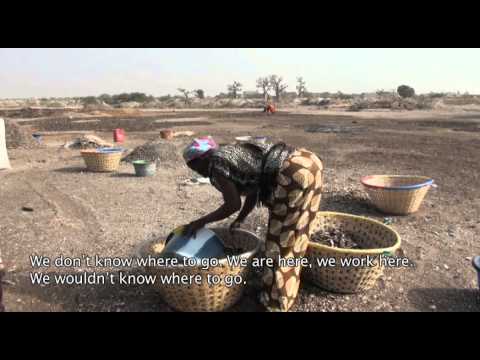
Senegal is one of the countries with the highest amount of effective sunshine on earth. Instead of using the 3000 hours of sunshine a year as a source of energy, 2 new coal fired power plants are now being built with the help of the Dutch development bank FMO, using public money. This video shows the consequences for the local population.

Together with civil society organisations from all over the world, the Fair Green and Global (FGG) Alliance aims for socially just, inclusive and environmentally sustainable societies in the Netherlands and the Global South.


