Both ENDS


With pain in our hearts we say farewell to Irene Dankelman. She was pioneer in the field of gender and environment and one of the founders of Both ENDS.
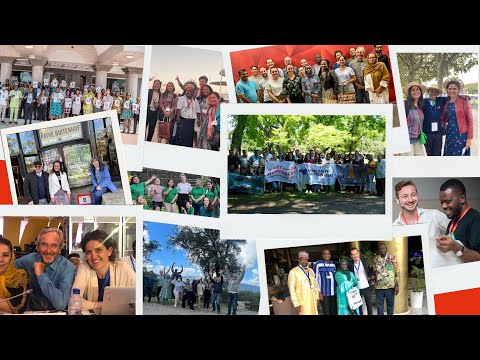
At Both ENDS, we were happy to finally be able to meet many of our partners again in 2022. Although digital meetings are here to stay, they will never beat a live encounter every once in a while where we get to know each other's contexts, learn from each other and motivate and inspire one another.
But be it live or online, together we will work towards a green, just and healthy 2023!

Both ENDS aims to ensure that civil society can work freely and safely to influence decision-making related to ecosystems, environmental justice and human rights. In many places around the world, the space for civil society organisations to operate is shrinking. Repression, harassment and violence against environmental human rights defenders – our partners among them – is on the rise.

On our special website you find the best from our Annual Report 2020. Read the stories from 2020 about the work we did on building a strong civil society, bringing about systemic change and promoting transformative practices, together with our partners around the globe.

No matter whether you're working with us for 30 days of 30 years: we'd like to hear from you! What do you think about Both ENDS? What was/is our added value to your work? How did/do we cooperate? What is your oldest, or your dearest, memory? What do you wish for the years to come? Submit your contribution for our 30-year anniversary!

"If it is the fossil fuel-based ‘real economy’ that is driving us toward catastrophic climate change, it is the financial world behind the steering wheel." Therefore in 2019, Both ENDS worked towards fossil free investments by both individuals and public institutions such as the European Investment Bank (EIB).

Our Annual Report features some of the best stories from 2019 about the work we did together with our partners around the globe.

Tidal River Management (TRM) is based on age-old community practices. In 2019, Uttaran helped ensure that TRM was seen by policymakers as a solution to waterlogging in the delta of Bangladesh, and that the voices of women and youth were being taken into account.

In the first two years of the programme "Communities Regreen the Sahel", more than 10,000 farmers have been trained in Farmer-Managed Natural Regeneration and the practice has expanded to more than 44,000 ha. Moreover, the number of agreements by farmers and nomadic pastoralists has increased significantly, which is important to avoid conflict over land use.