Both ENDS




We pushed the canoe through the turf and climbing on board he suggested I take the helm while he would hoist the sail. Being aboard this fast sailing lightweight canoe, carried by the swell of the blue sea, brought back images so vividly described in Hemingway's book The old man and the sea. After leaving the coast, going further onto the sea we eventually changed track and went north. I learned from the fisherman that the daily catch of fish was very meagre. Fishermen had to leave home early morning, around 4 AM, and had to venture out far off the coast to find fish. When I spotted my hotel near the beach we set course for the coast. When we had reached the shore again, I paid the fisherman and we parted amicably, in good spirit.
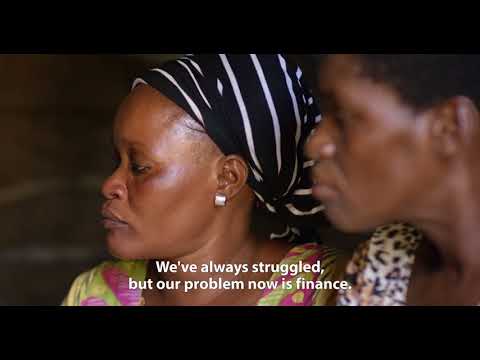
In this video, Trivinia Mwanga Mwamburi from Kenya takes you with in her fight to get the land back which was taken from her because of the expansion of large scale salt mines. The three part series 'Reality of Mine' gives a voice to women affected by mining in India, Kenya and South Africa. With the support of international NGOs Both ENDS and ActionAid, they have begun to stand up for their rights.

We congratulate Joan Carling, member of the permanent commission on indigenous peoples of the UN, for having received the Lifetime Achievement Award as 'Champion of the Earth' by the UN Environment! This is the UN's highest environmental honor, given to six of the world's most outstanding environmental change makers once a year.

Global Witness and Both ENDS strongly condemn the reported of harassment and surveillance by the Armed Forces of the Philippines of environmental activists and fishing communities in Navotas, Philippines. Pamalakaya-Pilipinas, a National Federation of Small Fisherfolk Organisation in the Philippines, has received credible reports that the Armed Forces of the Philippines (AFP) are engaged in “red-tagging” their members.

In the face of environmental transphobia, a form of discrimination where trans and gender-diverse communities are disproportionately impacted by environmental degradation,excluded from climate policies, and often met with stigma and exclusion by environmental justice movements, Grupo Orgulho, Liberdade e Dignidade (GOLD) has emerged as a bold and visionary force for change in Brazil. At the heart of this movement is Débora Sabará ,GOLD’s leader, a travesti activist who has fought tirelessly to place the perspectives andneeds of LGBTIQAPN+ (Lesbian, Gay, Bisexual, Trans, Intersex, Queer, Asexual, Pansexual, Nonbinary and other identities), Indigenous and Afro-Brazilian communities at the center of environmental justice conversations.

LILAK has worked alongside indigenous women communities for over a decade, focusing on building capacity and advocating for rights to land, the environment, and bodily autonomy. Despite gaining recognition and trust from allies, the journey was challenging. Starting with limited resources, LILAK faced resistance, particularly from patriarchal leaders and the state, which often labeled them as adversaries. Nevertheless, they adapted and continued their work, grounded in solidarity and sisterhood.

On 12 and 13 February 2025, women from Kenya, Uganda, and Zimbabwe gathered in Nairobi for the Africa Women Leaders in Agroecology (AWOLA) Regional Networking Forum. The event marked a significant moment in the leadership programme of PELUM Kenya, which empowers young women in their role as leaders in the agroecological transition. This project was made possible thanks to support from Both ENDS as part of the Fair, Green and Global (FGG) Alliance.

The Joke Waller-Hunter (JWH) Initiative creates opportunities for young people in the environmental sector in developing countries to unfold their full potential. By providing small grants to individuals to expand their knowledge, experience and training, the Initiative aims to strengthen environmental Civil Society Organisations capacity and efficiency. Grantee Brighton Aryampa wrote a column for Monitor about his journey to becoming a Human Rights Defender, and his work battling the EACOP.

