


Of EACOP and tales of a defender in development
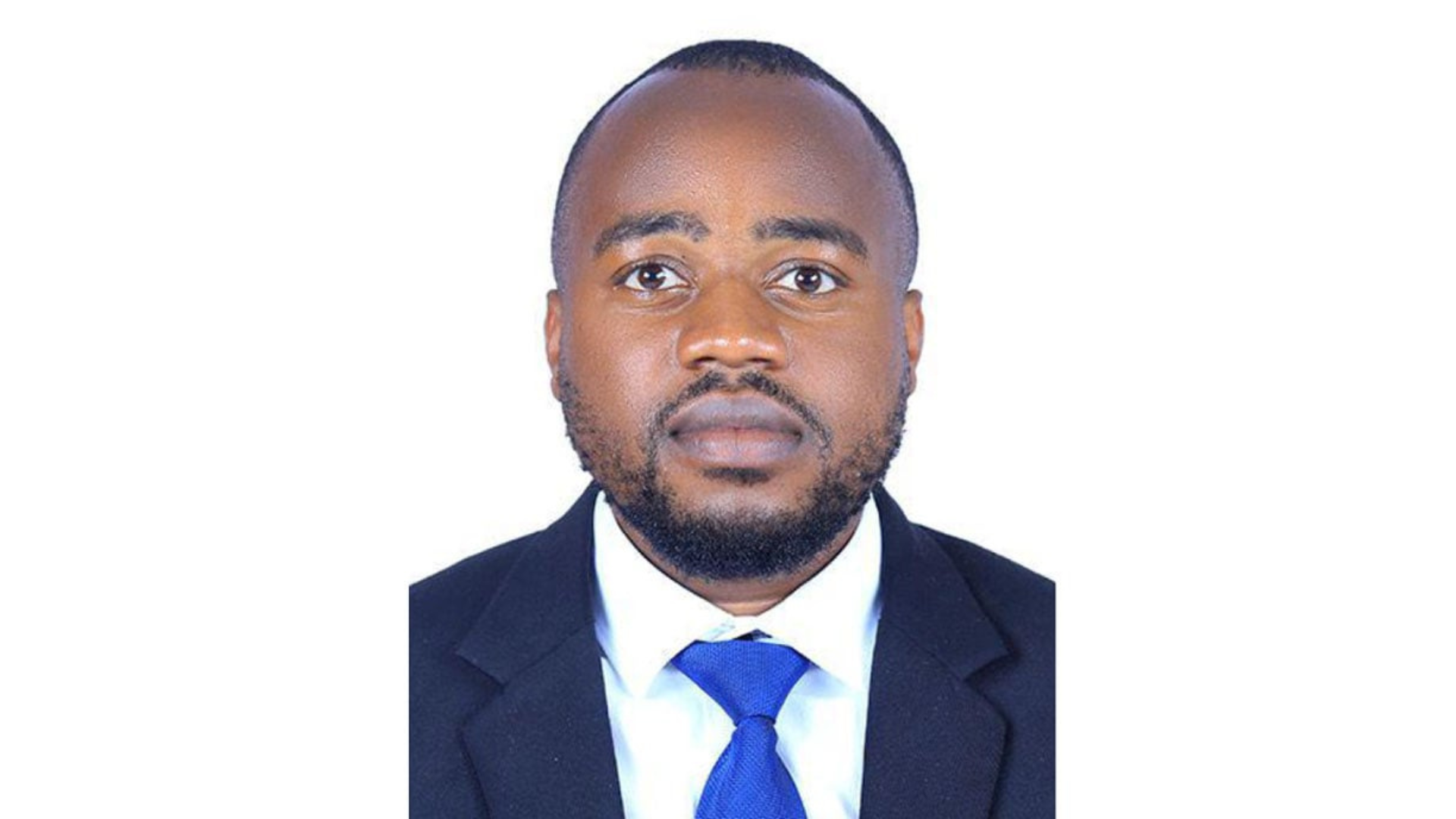
The Joke Waller-Hunter (JWH) Initiative creates opportunities for young people in the environmental sector in developing countries to unfold their full potential. By providing small grants to individuals to expand their knowledge, experience and training, the Initiative aims to strengthen environmental Civil Society Organisations capacity and efficiency. Grantee Brighton Aryampa wrote a column for Monitor about his journey to becoming a Human Rights Defender, and his work battling the EACOP.
"Nothing beats seeing your work transform lives and communities. I was in the last semester of my second year at the Uganda Christian University (UCU), around 2018, when I was drawn into environmental and human rights activism. At the time, I was pursuing a course in oil and gas, aspiring to work in the oil sector, strategically to get employed, avoid pink slips and being out of work. During that time, I was also doing a lot of writing and research on many of the social issues affecting our country.
When the environmental and human rights organization Africa Institute for Energy Governance (AFIEGO) offered me full support to visit oil-affected communities in Bugoma Forest, it was a life-changing moment. During that visit, AFIEGO screened a film about communities affected by oil and gas in Ecuador and Nigeria.
Hearing these communities share their experiences was devastating and eye-opening. That experience was a decisive moment in my life. I found myself at a crossroads, one path led to the allure of a luxurious oil-funded lifestyle, while the other promised a life of impact (though I didn’t fully realise this at the time).
I chose to work for communities that were displaced and evicted with little compensation, youth forced to drop out of school, and women left in tears because their husbands went away after receiving handshakes as compensation. After a week of a shock in the field, I returned with a burning question: how could companies and government be so inhuman in their pursuit of money? I started conducting research, writing and mobilizing other youth to join communities in their struggle and to protect the environment. My first job with the Oil Refinery Resident Association (ORRA) involved empowering women affected by land rights issues, and the rest is history… I became a “defender”.
You’ve likely witnessed, or experienced, the harm many communities face. Defenders risk their lives, sacrifice beautiful memories, and endure labels like “development saboteurs” or “foreign agents” to support communities fighting for their rights. And other lawyers, like me, have often given up the dream of traditional legal careers, because they are deeply committed to defend vulnerable groups and communities facing human rights’ abuses, exclusion, threats, repression and violence.
It might be very hard to believe that I walked away from the stellar legal career I once envisioned. What I didn’t realise was that I was to be tied to this seat for this long, without knowing when to stop. Time is passing quickly, but at least I am seeing positive change and unprecedented participation of youth and indigenous communities in this joint struggle.
Alongside dozens of other defenders, we’ve been battling the East African Crude Oil Pipeline (EACOP), a 1,443 km project that cuts through the heart of Africa while displacing communities, destroying ecosystems and endangering wildlife. It is owned by Total Energies (62%), CNOOC (8%) and the government of Uganda and Tanzania (each owning 15%), with China Exim Bank among the financiers.
Giant oil companies, with the help of our leaders and institutions, are enriching their already big net worth while leaving our communities to deal with landlessness, loss of livelihoods, environmental degradation, climate change, family breakdowns: the same problems faced by oil-affected communities in Nigeria, Ecuador and elsewhere.
Elites are benefiting from presidential oil handshakes, and the president already refers to it as “his oil”, so what does the future hold for young people? Who will address the concerns of the host communities that have long been ignored?
In the past few years, several Civil Society Organizations (CSOs) have condemned injustices faced by Projected Affected Persons (PAPs). We are building connections with oil-affected communities and together we are protesting peacefully in front of oil companies, parliament, government ministries, embassies and other entities, to seek answers and actions to address our concerns. And in this global climate chaos, we are also envisioning how our future should look like.
All the work that I have done with other young defenders seems like a beautiful story. And yes, the successes are very visible: At least 29 commercial banks and 28 insurance companies have withdrawn support for the project. The public is beginning to understand the narrative of affected communities. The communities and youth are creating spaces and platforms to discuss real issues and their voices are being heard. The most thrilling success is that the youth are taking charge and the communities are calling for green sustainable alternatives. Communities have been developing demo farms, beekeeping and tree planting projects. These alternative solutions are working well and generating incomes that can sustain their livelihoods. The government and corporations should invest more in these alternatives, because they are proving successful.
However, these successes have come at a cost. Environmental and human right defenders have been arrested, detained, remanded and many are now facing fabricated criminal charges (such as common nuisance, incitement to violence or unlawful assembly). The CSO space is shrinking, but the successes and happiness of the communities make it worthwhile.
As a defender, you don’t quit in tough times or when faced with repression, threats or violence. Instead, you fight peacefully and build effective responses to defend what is right. Recently, we addressed a letter to the UN special rapporteurs on environmental defenders and freedom of expression concerning the arrests of climate defenders. We also filed cases against police officers who have ordered arrests of defenders without any justification. And as there are increasing reports that other Chinese firms want to support the project, we are building our capacities and learning how to conduct advocacy with Chinese financiers. No development should disrespect human rights, and we shall not back down.
My summarized journey into becoming a rights defender should prompt any young person to reflect on life and the future. Upon that, you will realise that the future will be destroyed if our generation ignores EACOP today. It requires immense sacrifice, and it would be betrayal if we don’t defend the future for the next generations."
The writer, Brighton Aryampa, is a lawyer and proud human rights defender.
This story by Brighton Aryampa was originally published on the Monitor website (September 17, 2024).
Read more about this subject
-
 Dossier /
Towards a socially and environmentally just energy transition
To address the climate crisis we need to urgently transition away from fossil fuels towards clean, renewable energy. However, this transition is not only about changing energy sources. It requires an inclusive and fair process that tackles systemic inequalities and demanding consumption patterns, prioritizes environmental and social justice, and which does not repeat mistakes from the past.
-
 Dossier /
Global Alliance for Green and Gender Action (GAGGA)
GAGGA rallies the collective power of the women's rights and environmental justice movements to realize a world where women can and do access their rights to water, food security, and a clean, healthy and safe environment.
-
Publication / 3 July 2026
-
 News / 23 October 2025
TotalEnergies financiers beware: EACOP is eating up money, nature and livelihoods
A new analysis shows that the developers of the East African Crude Oil Pipeline, led by France’s TotalEnergies, are being forced to self-finance the project almost entirely. The analysis, part of a new Finance Risk Updatefrom a coalition of African and International civil society organisations, shows that the companies have abandoned plans to raise 60% of the project’s growing costs from bank loans, and are now on the hook for almost 90% of the costs themselves.
-
 News / 6 October 2025
From Entebbe to Accra: civil society is rewriting the rules of investment
By Fernando Hernández Espino and Bart-Jaap Verbeek
Almost a year after African civil society gathered in Uganda to adopt the Entebbe Declaration, the call to transform international investment governance continues to gain strength. From the 6th to the 9th of October, over 50 civil society organisations from across West Africa, including from Ghana, Senegal, Nigeria, Côte d’Ivoire, Cameroon, Gambia, Sierra Leone, as well as from Kenya and Latin America, are convening in Accra to deepen and operationalise the Declaration’s vision.
-
 Blog / 12 August 2025
Nickel mining for the energy transition: who is accountable for the damage?
Photo blog - In June, I travelled to Indonesia with our partner organization Puanifesto to research the impacts of nickel mining in East Sulawesi. On July 13th, the news broke that the European Union and Indonesia have reached a political agreement on a free trade agreement that was years in the making, called the Comprehensive Economic Partnership Agreement (CEPA). Nickel from Sulawesi is already being used in European cars. This makes it all the more important that we ensure that human and environmental rights are secured in mining and refining operations in Indonesia, before the road is opened to more extraction and exploitation for the European market. The conversations we have had with communities and workers on East Sulawesi show that more binding regulations are necessary to make this happen and ensure an energy transition that is socially and environmentally just.
-
 News / 10 July 2025
Both ENDS and Global Witness condemn harassment of anti-reclamation activists in Manila Bay
Global Witness and Both ENDS strongly condemn the reported of harassment and surveillance by the Armed Forces of the Philippines of environmental activists and fishing communities in Navotas, Philippines. Pamalakaya-Pilipinas, a National Federation of Small Fisherfolk Organisation in the Philippines, has received credible reports that the Armed Forces of the Philippines (AFP) are engaged in “red-tagging” their members.
-
 News / 10 July 2025
Shell's Silent Exit: Evading Accountability in the Niger Delta
Following Both ENDS & Kebekatche Women Development & Research Centre participation in Shell’s Annual General Meeting (AGM) and a formal follow-up in writing, the response received from Shell plc raises more questions than it answers.
-
 Dossier /
Fair Green and Global Alliance (FGG)
Together with civil society organisations from all over the world, the Fair Green and Global (FGG) Alliance aims for socially just, inclusive and environmentally sustainable societies in the Netherlands and the Global South.
-
Publication / 1 July 2025
-
Publication / 1 July 2025
-
 News / 4 June 2025
Demanding Shell’s Accountability for decades of pollution in Niger Delta
Both ENDS and our Nigerian partner Kebetkache Women Development & Research Centre attended Shell’s Annual General Meeting (AGM), on May 20th, in London, to demand transparency and accountability for Shell Plc’s opaque divesment in the Niger Delta.
-
 News / 20 May 2025
Both ENDS and partners demand Shell to clean up the Niger Delta before divesting
At the Annual General Meeting (AGM) of Shell in London, community leaders from the Niger Delta and international allies, including Both ENDS, are confronting Shell with a clear demand: Shell must take full responsibility for decades of pollution and human suffering in Nigeria’s Niger Delta before divesting from its on-shore oil operations.
-
Letter / 15 April 2025
African civil society urges Oman against EACOP support as east Africa trade expo kicks off
Just one day before the Oman East Africa Trade and Investment
Expo opens in Muscat on April 16, over 70 civil society organisations (CSOs) from Uganda, Tanzania, the Democratic Republic of Congo, and beyond have published an open letter urging the Government of Oman to refrain from providing financial or diplomatic support for the controversial East African Crude Oil Pipeline (EACOP). -
 News / 25 March 2025
Urgent call to Shell: Don’t leave the Niger Delta without cleaning up decades of pollution
Last week, Shell reported that it officially completed the sale of its on-shore oil assets in the Niger Delta, leaving behind a vast oil pollution caused by 70 years of oil extraction in the region.
-
 Blog / 30 January 2025
Brumadinho’s painful “seas of mud”
By Carolina de Moura
Six years ago, Brumadinho tailings dam I, from the Paraopeba Complex, owned by mining company Vale, collapsed. January 25th, 2019, forever changed the lives of thousands. The scars remain open, and the quest for justice, remembrance, and prevention of future mining crimes endures despite all adversities. This was manslaughter coupled with socio-environmental devastation of proportions difficult to measure. These are irreparable losses and damages that could have been avoided if it wasn’t for the greed, negligence, and irresponsibility of decision-makers at Vale, the German certification firm Tüv Süd, and the state of Minas Gerais.
-
Letter / 16 December 2024
Urgent call to halt all divestments in the Niger Delta, including Shell's refused sale of SPDC shares
The proposed sale of Shell’s shares in the Shell Petroleum Development Company (SPDC) to the Renaissance consortium, alongside similar divestments by TotalEnergies and other oil companies, threatens the Niger Delta and its people environmental and social well-being for generations to come.
-
Letter / 9 December 2024
People and the Planet Entebbe Declaration: Reclaiming investment frameworks for people and the planet
The time for change is now. Civil society demands international investment
frameworks that are aligned with economic justice, social and environmental
sustainability, and the needs of communities worldwide. -
 News / 26 November 2024
The Time to Rethink Investment Rules: Amplifying Civil Society Voices
At the core of the Fair, Green, and Global (FGG) Alliance’s mission is the commitment to building a just and sustainable world. As members of this alliance, Both ENDS, SOMO, and the Transnational Institute (TNI) recognise the urgent need to reimagine global investment frameworks. These frameworks, entrenched in outdated treaties such as Bilateral Investment Treaties (BITs) and the Energy Charter Treaty (ECT), often prioritise corporate profits over human rights, environmental sustainability, and social justice.
-
 News / 25 November 2024
Empowering Civil Society: Shaping investment policies for climate and sustainable development in Africa
From 26-29 November 2024, Both ENDS and its partners will host the Civil Society Forum on Investment Policies, Climate and Sustainable Development Goals in Entebbe, Uganda. Our colleagues Iván and Fernando explain the importance of this event: “Through this event, we aim to provide an in-depth perspective on the impact of current investment policies on climate and environmental issues, with a strong focus on the African continent.”



