Both ENDS




and Abigail Kyomuhendo*
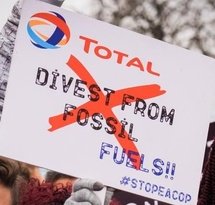
This week the annual shareholder meeting (AGM) of TotalEnergies took place. Whilst the shareholders celebrated their profits, Ugandan people were being evicted from their lands, thousands of kilometers away, for Total's East African Crude Oil Pipeline (EACOP).
Both ENDS, SOMO, Oxfam Novib and Recourse sent in a submission to FMO's public consultation on its Position Statement on Financial Intermediaries. In this position statement, FMO only takes limited responsibility for the consequences of its investments through so-called financial intermediaries. We call upon FMO to publish a position statement that focuses on protecting human rights and the environment and take full responsibility for this.
6 civil society organizations, including Both ENDS have submitted a gender comment on the newly proposed EIB Environmental and Social Framework. The EIB Environmental and Social Standards has to be updated to ensure that due attention to gender specific impacts, risks and related mitigation strategies is integrated in the policy and each standard, as well the assessment needs to specifically address the needs and problems of all genders. A lot of improvements can be made in the integration of gender aspects in policy and standards, in order to prevent violation of the rights of women and girls during project implementation, and tools (widely used by other organisations) and or commitments for their development should be included (inclusive consultations, Gender assessments and analyses, gender impact assessment, Legal Assessment Tool (LAT) for gender-equitable land tenure, gender responsive tools for prevention of violence.
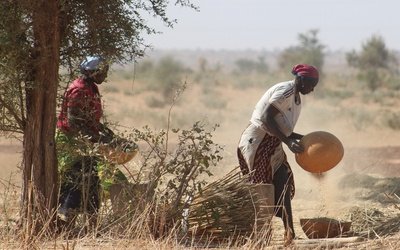
Even as climate change intensifies these challenging conditions, the Sahel need not become a desert. Unsustainable agricultural practices and overgrazing are among the main factors causing land degradation in the Sahel, which is threatening the lives and livelihoods of millions of people. Fortunately, organisations like CRESA in Niger have shown that with the right approach, desertification of the Sahel can be reversed.
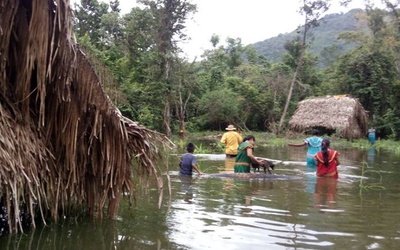
The Barro Blanco dam project in Panama, which has Dutch financial support, is causing indigenous lands to disappear under water. Both ENDS is working to protect the rights of indigenous communities living near the dam.
Together with 29 other CSO's, we've submitted our comments and recommendations in the Public Consultation on the AfDB Integrated Safeguards System. These include that the Bank should prioritize community-led development and human rights-based approaches; protect natural resources and tackles environmental and climate crises; raise the bar on access to information, transparency and accountability; facilitate participatory processes in policies, programmes and projects; and end inequality, poverty, and the cutback and privatization of vital services.
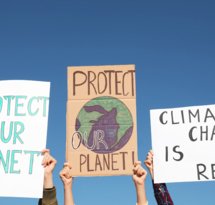
Happy Women's Day!
Friday March 8th we celebrate a gender equal world; free of stereotypes, bias, and discrimination. Around the world women are powers of change. We proudly present you; the voices of the next generation of environmental leaders of the JWH initiative. All our grantees are driving change in the environmental sector and have a strong say about the inclusive world.