Both ENDS





A Dutch economic trade mission is visiting Indonesia from the 21st to the 24th of November. Prime Minister Mark Rutte, who heads the mission, is accompanied by Minister Ploumen (Foreign Trade and Development), Minister Schultz van Haegen and State Secretary Dijksma (Infrastructure and Environment).
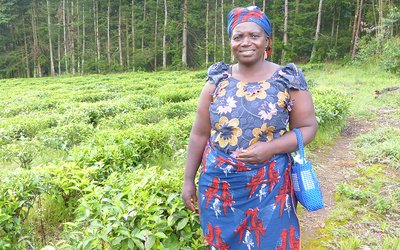
Small grants funds offer an effective, alternative way to channel big money from large donors and funds to local groups and organisations that are striving for a sustainable and just society everywhere around the world.
Good news for the climate: last week, the European Investment Bank (EIB) decided to stop investing in fossil fuels by 2021. This is part of its new energy strategy.
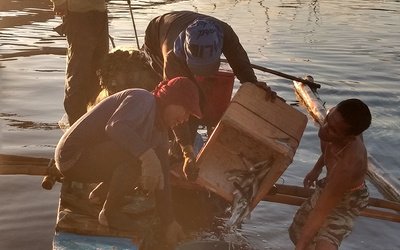
These past weeks we have been joining the #WeWomenAreWater campaign to put the spotlights on just climate solutions of and for women, girls, trans, intersex and non-binary people around the world. The campaign started on International Women's Day (March 8th) and ends today, on World Water Day. Just climate solutions already exist but these initiatives are grossly underfunded, and the people implementing them are also those most impacted by climate change and climate-related water scarcity. Therefore, we would like to highlight, especially today on World Water Day, some of these solutions below. And we also have a special message from the colleagues at Both ENDS working on inclusive water governance.
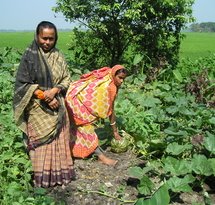
In 2015, the member states of the United Nations committed themselves to the ambitious Sustainable Development Goals (SDGs). Unlike their predecessors, the Millennium Development Goals (MDGs), the SDGs recognise the importance of equality within and between countries, of decision-making processes in which all people are included and heard, and of legal systems that are independent and accessible to all.